 Finance & accounting
Instant Asset Write-Off in 2026: The A$20,000 Rules for Small Business
The 2026 instant asset write-off explained: the permanent A$20,000 per-asset limit, the A$10m turnover test, the small business pool, cars and worked examples.
 Edited by Sumeet YadavFounder & editor, MSMETOOLS · fact-checked against official sources
Contents (12)
- 1. What the instant asset write-off is
- 2. Is the A$20,000 write-off permanent? The 2025–26 and 2026–27 position
- 3. Who can use it: the A$10 million turnover test
- 4. Which assets qualify and how to work out the cost
- 5. Worked example: a café owner's purchases in 2026–27
- 6. The small business pool for assets over the limit
- 7. Cars, utes and the car limit
- 8. Assets you can't write off
- 9. How to claim the write-off in your return
- 10. Opting in, opting out and the lock-out rule
- 11. Common mistakes and how to fix them
- 12. What to do next
If you run a small business in Australia and you're about to buy a laptop, a coffee machine, a welder or a trailer, the instant asset write-off decides whether you deduct the whole cost this year or spread it over several. This guide explains, for sole traders, partnerships, trusts and companies, how the A$20,000 write-off works in 2026, why it is now permanent, which businesses qualify, how to work out an asset's cost, what happens to cars and dearer assets, and how the small business pool works alongside it — with worked examples in Australian dollars.
Quick answer
Small businesses with aggregated turnover under A$10 million that use the simplified depreciation rules can immediately deduct the business portion of each eligible asset costing less than A$20,000 in the year it is first used or installed ready for use. The limit was made permanent from 1 July 2026 by the Treasury Laws Amendment (Tax Reform No. 2) Act 2026, which received assent on 26 August 2026.
The limit applies per asset, so you can write off several assets in one year
New and second-hand assets both count; the full cost must be under the limit
Assets costing A$20,000 or more go into the small business pool: 15% in year one, then 30% a year
A pool balance under A$20,000 at year end can be written off in full
The 5-year lock-out for opting back in stays suspended until 30 June 2027
What the instant asset write-off is
The instant asset write-off is not a separate tax break that you can pick off on its own. It is one part of the simplified depreciation rules for small business, which have two pieces: an immediate deduction for cheaper assets, and a small business pool that depreciates everything else at fixed rates. If you choose simplified depreciation, you must apply the whole package to all your depreciating assets, except the few that are excluded. You can't cherry-pick the write-off and use the general effective-life rules for the rest.
Without these rules, a depreciating asset is written off gradually over its effective life, using either the diminishing value or prime cost method. A A$12,000 commercial oven with a 10-year effective life, for example, would produce small deductions spread over a decade. Under the instant asset write-off, the business portion of that A$12,000 comes off your taxable income in the year you start using the oven.
It is worth being clear about what that means for your cash. The write-off doesn't give you extra deductions overall — it brings forward deductions you would have had anyway. The value is in timing: you pay less tax this year, when you have just spent the money on the asset, and slightly more in later years because there's nothing left to depreciate. For a growing business that is reinvesting, that timing difference is real cash flow.
Is the A$20,000 write-off permanent? The 2025–26 and 2026–27 position
For years the A$20,000 limit lived on short extensions, which is why so many pages still hedge. Here is where the law stands in October 2026.
The A$20,000 limit has applied to assets first used or installed ready for use on or after 1 July 2023. Each year from 2023–24 it was extended by a separate amendment, and for 2025–26 (1 July 2025 to 30 June 2026) it was legislated by the Treasury Laws Amendment (Strengthening Financial Systems and Other Measures) Act 2025.
In the 2026–27 Budget on 12 May 2026, the Government announced it would make the write-off permanent at A$20,000 from 1 July 2026. For a few months that measure was "not yet law", and the ATO said so on its new-legislation page. That changed with the Treasury Laws Amendment (Tax Reform No. 2) Act 2026 — Act No. 71 of 2026 on the Federal Register of Legislation, with assent on 26 August 2026. Schedule 2 of the Act is headed "$20,000 instant asset write-off for small business entities" and amends the Income Tax Assessment Act 1997 and the Income Tax (Transitional Provisions) Act 1997.
In the Treasurer's second reading speech, the Government said the change would apply permanently from 1 July 2026, keep the per-asset basis, and could benefit up to 4.1 million businesses with turnover under A$10 million. The same Act also contains a new loss carry-back offset for companies, but that is a separate measure.
How the write-off limit has moved
1 July 2016 – 28 Jan 2019
A$20,000 per asset (turnover under A$10m)
12 Mar 2020 – 30 Jun 2021
A$150,000 limit, then temporary full expensing to 30 June 2023
1 July 2023 onwards
Back to A$20,000 per asset, extended a year at a time
2025–26
A$20,000 legislated by the Strengthening Financial Systems Act 2025
12 May 2026
2026–27 Budget announces a permanent A$20,000 write-off
26 August 2026
Tax Reform No. 2 Act receives assent — permanent from 1 July 2026
Because it's permanent, you no longer need to rush purchases into June in case the limit drops back to A$1,000 — the fall-back figure that applied under the old law whenever an extension lapsed. Buy when the business needs the asset. Still, check the ATO page before you lodge each year, because Parliament can change the rules again.
Who can use it: the A$10 million turnover test
You can use simplified depreciation, and so the write-off, for an income year if your aggregated turnover is less than A$10 million. Aggregated turnover is your business's annual turnover plus that of any entities connected with you or that are your affiliates. A family group with a trading trust, a property company and a separate franchise business has to add all of them together, which can push an apparently small business over the line.
The ATO looks at your turnover for the current year and the year before. In practice most businesses work it out from the previous year's figures and their expected turnover for this year. Turnover means ordinary income from carrying on the business, not profit — a business with A$9 million of sales and thin margins still qualifies, while one with A$11 million of sales does not.
The rules apply to sole traders, partnerships, companies and trusts alike. Partnerships claim at the partnership level, and the deduction then flows through to partners in their shares of the net income. You don't need to be registered for GST to use the write-off, although GST registration changes the cost figure, as explained below.
If your turnover is A$10 million or more, there's no instant asset write-off in 2026. You depreciate assets under the general rules, although some low-cost items — tools under A$300 used mainly to earn non-business income, for example — have their own rules that aren't covered here.
Which assets qualify and how to work out the cost
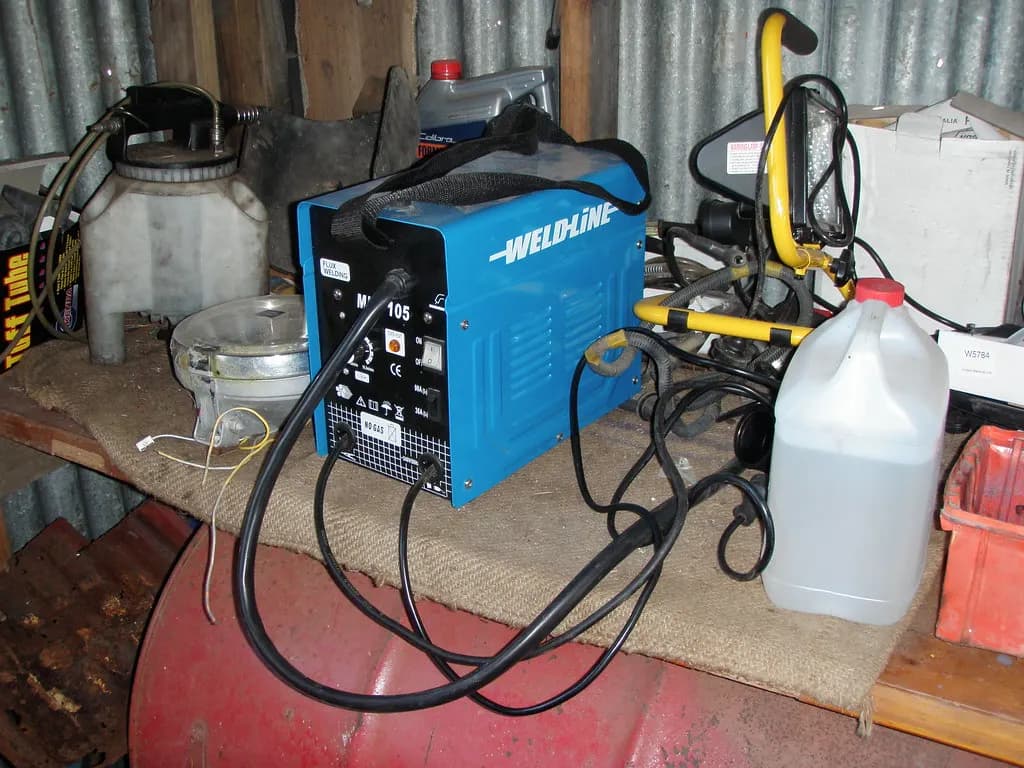
The write-off covers depreciating assets — things that lose value over time and that you use in the business: tools, machinery, computers, furniture, fit-out items that aren't part of the building, vehicles, trailers, software you buy rather than develop, and so on. Both new and second-hand assets qualify. Each asset is tested on its own, so a café can write off a A$14,000 espresso machine, a A$6,000 grinder and a A$2,800 point-of-sale system in the same year.
The cost must be under A$20,000
The test is "less than" A$20,000. An asset that costs exactly A$20,000 does not qualify and goes into the small business pool. Splitting one asset across invoices doesn't help: a set of items that work together as one functional unit is usually treated as a single asset.
GST and the cost figure
If you're registered for GST and can claim a full GST credit on the purchase, the asset's cost excludes the GST. So an item with a GST-inclusive price of A$21,450 has a cost of A$19,500 and qualifies. If you can claim only part of the credit, reduce the cost by the part you can claim. If you're not registered, the GST you paid is part of the cost, and the same A$21,450 item would miss the limit. Use our Australia GST calculator to strip GST from a receipt.
Trade-ins and private use
Work out the cost before any trade-in allowance. If you trade in an old ute worth A$8,000 against a new one priced at A$26,000, the cost is A$26,000, not A$18,000, so the write-off isn't available. The old ute's trade-in value is treated separately as a disposal.
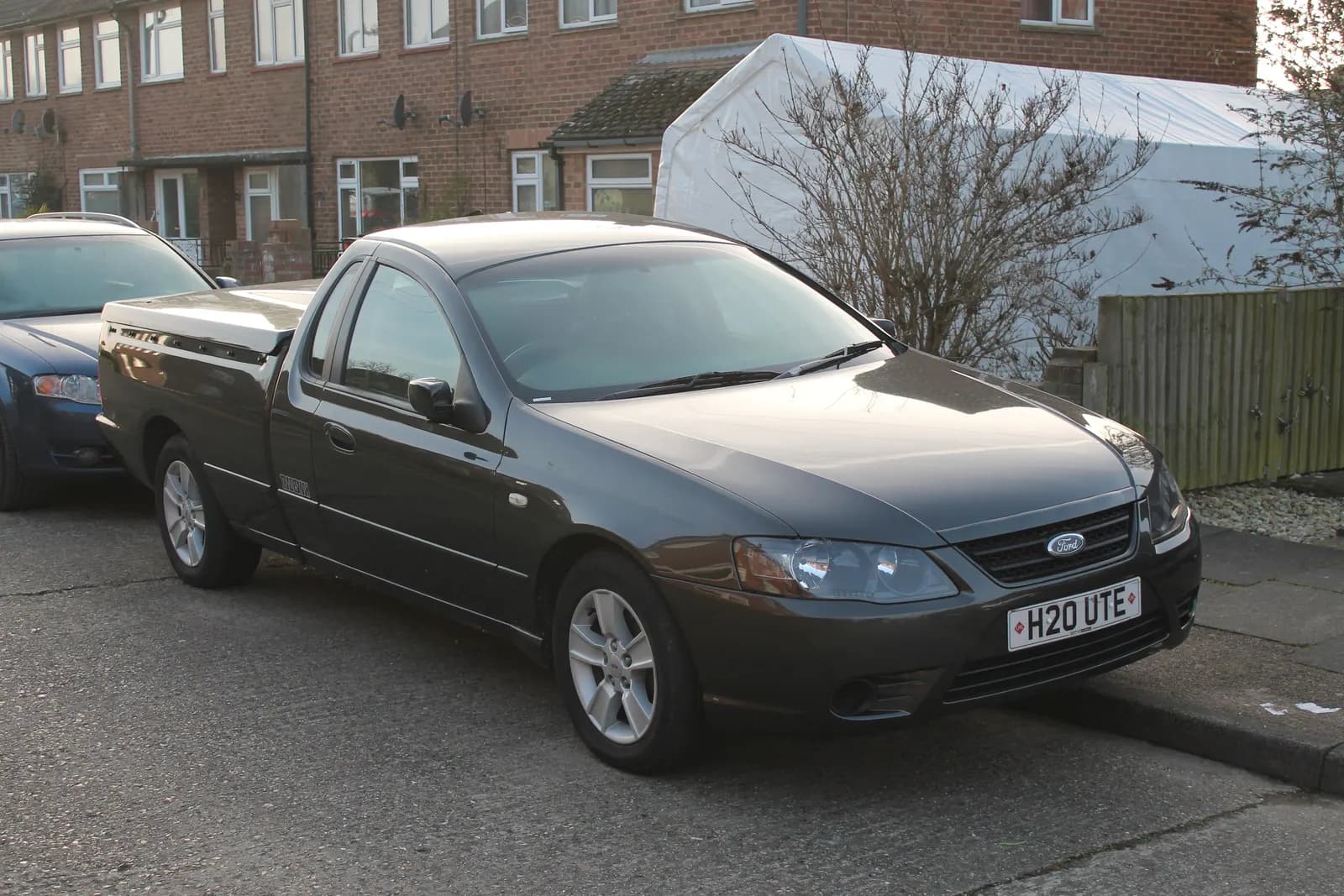
Private use reduces the deduction, but not the eligibility test. You can deduct only the taxable-purpose portion, yet the asset's whole cost must still be under the limit. The ATO's own example is a A$40,000 ute used 40% for business: the business portion is A$16,000, but because the full cost is over A$20,000, it can't be written off. That A$16,000 goes into the pool instead.
Timing: first used or installed ready for use
You claim in the income year the asset is first used, or installed ready for use, for a taxable purpose. Paying a deposit in June for a machine delivered in August means the deduction falls in the following year. Buying on a chattel mortgage or hire purchase doesn't stop you claiming, because you generally hold the asset from the start.
Cost additions to assets already written off
If you claimed an immediate deduction for an asset in an earlier year and then spend money improving it, you can also immediately deduct that second element of cost — provided it is the first such amount incurred after the year of the write-off and it is less than the limit. The ATO gives the example of a sole trader who fitted a A$19,000 bucket to an excavator he had already written off; the bucket was deductible in full in 2025–26.
Before you claim an asset under the write-off
0/7Worked example: a café owner's purchases in 2026–27
Priya runs a café in Ballarat through a company with turnover of about A$1.4 million, is registered for GST and uses simplified depreciation. In 2026–27 she buys:
| Asset (first used in 2026–27) | Price incl. GST | Cost ex GST | Business use | Treatment |
|---|---|---|---|---|
| Espresso machine | A$16,500 | A$15,000 | 100% | Instant write-off: A$15,000 |
| Commercial dishwasher | A$7,700 | A$7,000 | 100% | Instant write-off: A$7,000 |
| Laptop | A$3,300 | A$3,000 | 80% | Instant write-off: A$2,400 |
| Delivery van | A$55,000 | A$50,000 | 90% | Small business pool: A$45,000 |
| Total deducted this year | A$24,400 + pool A$6,750 |
The three items under A$20,000 are written off in full, limited to the business portion of the laptop. The van is over the limit, so its business portion, A$45,000, goes into the small business pool. In the first year the pool deduction on a new asset is 15% — A$6,750 — no matter what month the van arrived. In 2027–28 the van's share of the pool is A$38,250, and the deduction is 30% of that, or A$11,475.
Priya's total depreciation deduction for 2026–27 is A$31,150. Because her company is a base rate entity taxed at 25%, that saves about A$7,790 in company tax this year. Under the general rules the same assets would have produced far smaller first-year deductions, so the write-off moves several thousand dollars of tax savings into the year she actually paid for the equipment.
The small business pool for assets over the limit
Assets that cost A$20,000 or more go into a single general small business pool. The pool works like one big asset:
- add the business portion of each new asset during the year and deduct 15% of those additions;
- deduct 30% of the opening pool balance every year;
- if the pool balance at the end of an income year, before that year's depreciation, is less than A$20,000, deduct the whole balance and the pool is reset to nil.
That last rule is valuable and often missed. Suppose your pool closed last year at A$24,000 and you sell nothing and buy nothing this year. Next year's balance before depreciation is A$24,000, so you take 30% — A$7,200 — leaving A$16,800. The following year the balance before depreciation is under A$20,000, so you deduct the full A$16,800 and close the pool out.
When you sell a pooled asset, you subtract the business portion of the sale price from the pool balance rather than calculating a separate gain or loss. If the sale proceeds exceed the pool balance, the excess is assessable income. For an asset you wrote off instantly, the business portion of what you get when you sell it is generally assessable income in the year of sale, because its tax value is already nil.
Try it — find the cost ex GST of a A$21,450 asset
Cars, utes and the car limit
Vehicles follow the same write-off test — full cost under A$20,000 — with two extra wrinkles.
First, the car limit. For passenger vehicles designed to carry fewer than nine passengers and a load of less than one tonne (other than motorcycles), the cost used for depreciation is capped at the car limit for the year the car is first used. The car limit for 2025–26 was A$69,674; it is indexed each year, so check the ATO's car thresholds page for the 2026–27 figure. The car limit doesn't apply to vehicles designed to carry a load of one tonne or more — many dual-cab utes — or to nine-seaters, or to cars modified for people with disability.
Second, GST on cars over the limit. If the car limit applies, the most GST credit you can claim is one-eleventh of the car limit, not of the price. The ATO's example: a GST-registered business buys a A$75,000 car in 2025–26, claims a maximum GST credit of A$6,334, leaving a cost of A$68,666. That's below the car limit but far above A$20,000, so it goes into the pool.
In practice, very few new vehicles cost under A$20,000. A used ute or a trailer might; most new cars, utes and vans end up in the small business pool, which still gives a 15% deduction in the first year and 30% after that. Keep a logbook or other records to support your business-use percentage — the ATO frequently checks private use of vehicles.
Assets you can't write off
A small number of assets are excluded from simplified depreciation altogether, so they're depreciated under the general rules even if they cost less than A$20,000. According to the ATO, these include:
- capital works — buildings, extensions and structural improvements, which are deducted under the capital works rules, usually at 2.5% or 4% a year;
- horticultural plants, including grapevines, which have their own write-off rules;
- assets that are leased out, or expected to be leased out, for more than 50% of the time on a depreciating asset lease;
- assets already allocated to a low-value pool or a software development pool;
- assets used for research and development activities, where you claim the R&D tax offset — these must use the general rules.
Primary producers have a choice for some assets, such as water facilities, fencing and fodder storage, which can be deducted under specific primary production provisions instead. Leased-in equipment that you don't own isn't depreciated by you at all; you deduct the lease payments as an expense.
How to claim the write-off in your return
There's no form to apply for the write-off. You choose simplified depreciation by applying it when you lodge your income tax return, and you keep the records that support it.
Claiming the instant asset write-off
- 1
Check eligibility for the year
Confirm aggregated turnover is under A$10 million, including connected entities and affiliates.
- 2
List each asset first used this year
Record the date it was first used or installed ready for use, the cost excluding claimable GST, and the business-use percentage.
Tip: Use the price before any trade-in to test the A$20,000 limit.
- 3
Split assets between write-off and pool
Assets under A$20,000 are deducted in full (business portion). The rest go into the small business pool.
- 4
Calculate the pool deduction
15% of this year's additions plus 30% of the opening balance — or the whole balance if it's under the limit before depreciation.
- 5
Lodge and keep records
Sole traders and partnerships report in the Business and professional items schedule; companies and trusts in their return's depreciation labels. Keep records for 5 years.
Most accounting software calculates simplified depreciation, but only if you set it up that way — check the asset register settings rather than assuming. If you use a tax agent, give them the list above, along with invoices for anything over a few thousand dollars.
Opting in, opting out and the lock-out rule
Normally, a small business that stops using simplified depreciation can't come back to it for five years. That lock-out rule has been suspended for years and, under the 2026 Act, stays suspended until 30 June 2027. So if you dropped simplified depreciation in an earlier year, you can opt back in now without waiting. When you re-enter, your pool's opening balance is your previous closing balance plus the business portion of any assets you started using while you were outside the rules.
If you stop using simplified depreciation — by choice or because turnover rises above A$10 million — you can't add new assets to the pool or write off new assets. The existing pool continues at 30% a year until the balance falls below the write-off limit, and then you deduct what's left.
Common mistakes and how to fix them
Testing the business portion instead of the full cost. As the ute example shows, a A$30,000 asset used 50% for business doesn't qualify even though only A$15,000 is deductible. Put it in the pool.
Claiming in the year of payment rather than first use. An asset paid for in June but installed in July belongs in next year's return. Moving the claim usually means amending both years.
Forgetting connected entities. A spouse's company or a family trust you control can count toward aggregated turnover. If the group is over A$10 million, the write-off isn't available to any of them.
Including GST you can claim back. Registered businesses that forget to remove the GST credit both overstate the deduction and may push assets over the limit unnecessarily.
Mixing methods. Using the write-off for some assets and effective-life depreciation for other eligible assets isn't allowed. If you've done it, an amended return that applies simplified depreciation consistently is the fix.
Not tracking disposals. Selling an asset you wrote off creates assessable income. Selling a pooled asset reduces the pool. Both are easy to miss when the sale goes through a personal account or a trade-in.
If you find a mistake in a lodged return, you can usually amend it within the normal amendment period — generally two years for individuals and small business entities. Our bookkeeping guide covers setting up an asset register so these details are captured at the time of purchase.
Official links
- ATO — Instant asset write-off for eligible businessesLimits, cost rules, examples
- ATO — Simpler depreciation rules for small businessTurnover test, small business pool, lock-out rule
- ATO — Assets and exclusionsExcluded assets and the car limit
- Treasury Laws Amendment (Tax Reform No. 2) Act 2026Schedule 2 — permanent A$20,000 write-off
What to do next
Before your next big purchase, check your aggregated turnover, decide whether the asset will cost less than A$20,000 after GST credits, and note the date it will be ready for use. If you're registered for GST, our GST in Australia guide and BAS guide explain how to claim the GST credit on the same purchase, and the startup cost calculator helps you plan equipment spending if you're just starting out as a sole trader.
This is general information, not legal or tax advice — confirm on the official source or with a professional.
Frequently asked questions
Yes. The Treasury Laws Amendment (Tax Reform No. 2) Act 2026 (No. 71 of 2026), which received assent on 26 August 2026, made the A$20,000 limit permanent from 1 July 2026 for small businesses with aggregated turnover under A$10 million. Before that, the limit was extended one year at a time; 2025–26 was covered by a 2025 Act.
It is A$20,000 per asset in both years. For 2025–26 the limit came from the Treasury Laws Amendment (Strengthening Financial Systems and Other Measures) Act 2025; from 1 July 2026 it is permanent. The asset must cost less than the limit, so an asset costing exactly A$20,000 goes into the small business pool instead.
Yes, if the car's cost (excluding any GST credit you can claim) is under A$20,000, and you apply only the business-use share. The test uses the whole cost, not the business portion, so a A$40,000 ute used 40% for business can't be written off even though the business portion is A$16,000. It goes into the small business pool instead.
No. GST registration only changes the cost you use. If you're registered and can claim the full GST credit, the asset's cost excludes GST, so an A$21,450 GST-inclusive item has a A$19,500 cost and qualifies. If you're not registered, the GST you paid is part of the cost.
Generally yes. Eligibility depends on when you started to hold the asset and when it was first used or installed ready for use, not on when you finish paying. Under a chattel mortgage or hire purchase you usually hold the asset from the start. Leased assets you don't own are different: you deduct the lease payments instead.
You can't use the simplified depreciation rules for that year, so new assets are depreciated under the general rules over their effective life. Assets already in your small business pool keep being depreciated at 30% a year until the balance drops below the write-off limit, and then the balance is deducted.
Sources & verification
Figures on this page were checked against the sources below when it was last reviewed on 9 October 2026. Each rate and limit is stored once with its own official source and review date, and official update channels are monitored daily so changes are picked up. How we verify
- 1.Instant asset write-off for eligible businesses — Australian Taxation Office · accessed 9 October 2026
- 2.Simpler depreciation rules for small business — Australian Taxation Office · accessed 9 October 2026
- 3.$20,000 Instant Asset Write-off (new legislation) — Australian Taxation Office · accessed 9 October 2026
- 4.Treasury Laws Amendment (Tax Reform No. 2) Act 2026 — details — Federal Register of Legislation · accessed 9 October 2026
- 5.Second reading speech — Treasury Laws Amendment (Tax Reform No. 2) Bill 2026 — The Treasury (Treasurer's office) · accessed 9 October 2026
- 6.Assets and exclusions — simplified depreciation — Australian Taxation Office · accessed 9 October 2026
MSMETOOLS is an independent platform and is not affiliated with any government agency, ministry or department.
Tools for this
GST Calculator (Australia)
Add or remove 10% Australian GST.
Startup Cost Calculator
Estimate how much capital you need to launch.
Related guides
 Small Business Bookkeeping Programs in Australia (2026)Read guide
 Business Insurance Australia 2026: Types & What's CompulsoryRead guide
 Small Business Loans Australia 2026: Rates, Types & ApprovalRead guide
 Professional Indemnity Insurance Australia 2026: GuideRead guide
Official links open the government site in a new tab.