 Business registration & legal
How to Start a Business in the Northern Territory in 2026: Registrations, Licences, Workers Compensation and Payroll Tax
How to start a business in the NT in 2026: ABN steps, NT Health food registration, licences, workers comp, the A$2.5m payroll tax threshold and NT grants.
 Edited by Sumeet YadavFounder & editor, MSMETOOLS · fact-checked against official sources
Contents (12)
- 1. What's national and what's Territory
- 2. Step 1: Choose a structure
- 3. Step 2: National registrations
- 4. Step 3: Territory licences and registrations
- 5. Step 4: Premises and planning
- 6. Step 5: Insurance and workers compensation
- 7. Step 6: Hiring your first employee
- 8. Step 7: Payroll tax in the NT
- 9. Worked examples in A$
- 10. Grants and free support in the NT
- 11. Common mistakes when starting in the NT
- 12. What to do next
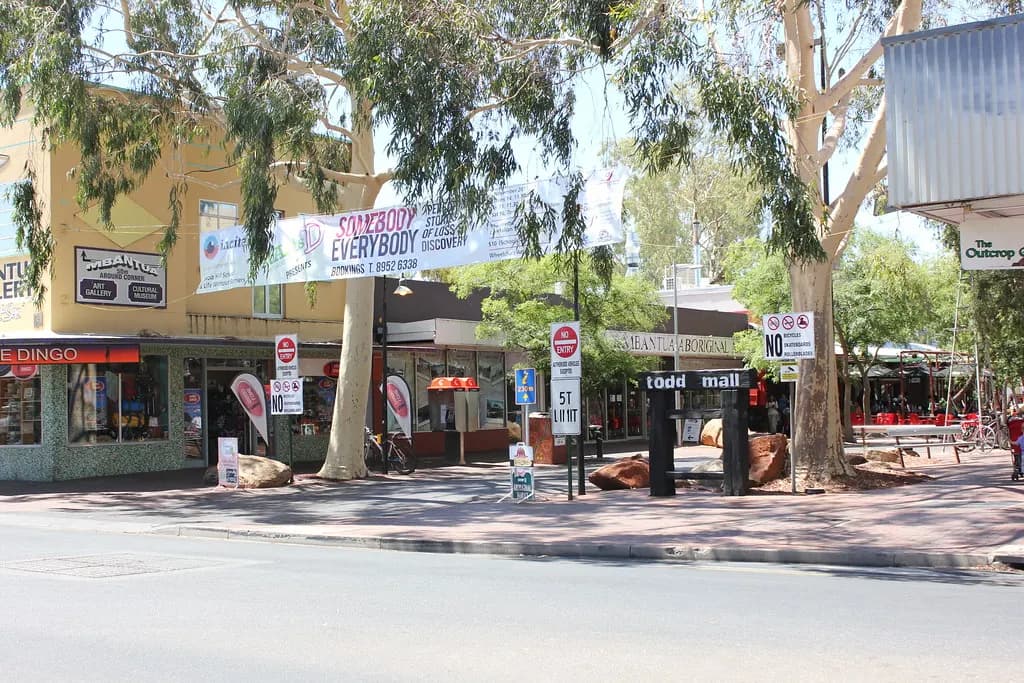
The Northern Territory is a place where small businesses carry a lot of the economy: tourism operators in the Red Centre and Kakadu, food stalls and cafés in Darwin, trades servicing defence and resources projects, and remote-community stores. Most of what you register is national, but the Territory layer works differently from the states in a few important ways — food businesses register with NT Health instead of a council, planning is run mainly by the Territory, and the payroll tax threshold is the highest in Australia. This guide is for anyone starting out in the NT in 2026. It takes each step in order, flags what is Territory-specific, and works through examples in A$.
Quick answer
To start a business in the NT: choose a structure, get a free ABN and register a business name or company nationally, then check your licences through ABLIS or a Territory Business Centre (1800 193 111). Food businesses must register with NT Health before trading, employers need workers compensation with an approved insurer, and payroll tax only applies once Australian wages pass A$2.5 million a year.
ABN free; business name A$47 a year; company A$636
Food registration: about A$268 for a new P1 business in 2026-27; P4 is free
Residential building work of A$12,000 or more needs a registered building contractor
Payroll tax 5.5% above A$2.5 million; apprentices and trainees exempt
Business Growth Program: A$2,000 to A$10,000 towards professional advice
What's national and what's Territory
There's no NT business register to sign up to. Business names have been registered nationally by ASIC since 2012, and the ABN, company, GST and PAYG registrations are all federal. So the first half of starting up looks the same in Darwin, Katherine or Melbourne, and our guide to starting a business in Australia covers it in detail.
The Territory part comes in where your activity touches public health, building, alcohol, land use and employment. That means NT Health's Environmental Health unit for food businesses, the Building Practitioners Board and other licensing boards for trades, Licensing NT for liquor, the Territory planning system for land use, NT WorkSafe for workers compensation and safety, and the Territory Revenue Office for payroll tax. Private-sector employment conditions come from the national Fair Work system, which covers the Territory just as it covers the states.
The first point of contact is a Territory Business Centre. There are centres in Darwin, Nhulunbuy, Katherine, Tennant Creek and Alice Springs, and they help with licensing requirements and lodgement, guidance for new and existing businesses, and grant programs. Phone 1800 193 111 or email [email protected].
Starting a business in the NT, in order
Step 1
Choose a structure
Step 2
ABN + business name or company
national
Step 3
Licences
food, building, liquor
Step 4
Planning
zone and use
Step 5
Bank, insurance, workers comp
before your first hire
Step 6
Payroll tax
above A$2.5m
Step 1: Choose a structure
Most Territorians start as a sole trader, which means trading under your own name and tax file number and paying individual tax rates. It's the cheapest structure to set up and run, but you're personally responsible for every debt and claim. A company is a separate legal entity that generally limits your liability and pays 25% tax if it's a base rate entity, but you pay ASIC fees, keep company records and take on directors' duties. Partnerships suit two or more people working together, and trusts are common for family businesses, pastoral properties and tourism ventures with several family members involved. Our business structures guide explains the trade-offs.
The structure affects your Territory obligations too. A company doing residential building work needs a director or nominee who is a registered building practitioner in the right category. For workers compensation, a working director is only covered if the company has a policy and has declared that director and their pay to the insurer. For payroll tax, related businesses are grouped, so splitting one operation across several entities doesn't multiply the threshold.
Step 2: National registrations
Apply for your ABN through the Business Registration Service. It costs free and is often issued on screen, though the ATO can take up to 20 business days when it needs to check you're entitled; our ABN registration guide explains the entitlement test. If you trade under a name other than your own, register a business name for A$47 for one year or A$108 for three.
To incorporate, register a company with ASIC for A$636 once every director has a director ID. Register for GST within 21 days of your turnover reaching, or being expected to reach, A$75,000 — our guide to registering for GST covers the test. Tour operators and food vans that trade through the dry season often pass that figure in the first year. Register for PAYG withholding before your first pay run and open a separate business account.
Step 3: Territory licences and registrations
Start with ABLIS, the Australian Government's free licence finder, which lists federal, Territory and local requirements for your activity and location. The NT Government also runs a food and retail licence check for shops and food businesses. The registrations new NT businesses most often need are:
| Activity | What you need | Who issues it |
|---|---|---|
| Selling food (cafés, takeaways, vans, market stalls) | Food business registration | NT Health – Environmental Health |
| Residential building work of A$12,000 or more | Building contractor registration (restricted or unrestricted) | Building Practitioners Board |
| Plumbing and drainage | Plumber or drainer licence | Plumbers and Drainers Licensing Board |
| Electrical work | Electrical worker and contractor licences | Electrical Workers and Contractors Licensing Board |
| Selling or supplying alcohol | Liquor licence with the right authority | Licensing NT / Director of Liquor Licensing |
| New use of a site, building works | Development permit if the use isn't permitted outright | Development Consent Authority (Territory planning) |
Food businesses register with NT Health
This is the biggest practical difference from the states. Under the Food Act 2004, an NT food business must register before it starts operating, and it registers with the Territory's Environmental Health unit, not a council. You apply online through Territory Services, verify your identity, and provide your ABN or ACN, the proprietors' contact details and your proposed menu — plus water testing results if you use a bore or rainwater tank. Since March 2026 you pay the fee online by card when you apply.
You need to register if your main business is selling food. You don't need to if you only sell low-risk packaged food, as a pharmacy or newsagency does, offer complimentary drinks, or sell food purely for charity under the exemptions.
An Environmental Health Officer gives your business a risk class at its next inspection, from priority 1 (highest risk) to priority 4. The fee is set in revenue units, which rise each 1 July; at the 2026-27 value of A$1.49 a unit, a new registration costs about A$268 for P1 (180 units), about A$134 for P2 (90 units) and about A$67 for P3 (45 units), and nothing for P4. Fees are per premises, but a mobile van doesn't pay again for each place it parks. P1 and P2 registrations last one year and P3 lasts three years. Renew at least 30 days before expiry, and cancel within 14 days if you sell or close.

Building and trade work
Residential building work in the NT valued at A$12,000 or more — new houses, units, extensions that add floor area, retaining walls and similar work — generally has to be carried out by a building contractor registered with the Building Practitioners Board. Residential registration comes in a restricted category (houses and low-rise class 2 buildings of one or two storeys) and an unrestricted category for any height. Applicants need a Certificate IV in Building and Construction or equivalent, practical experience, references and minimum net tangible assets, so plan the registration before you quote. Plumbers, drainers and electricians are licensed by their own boards whatever the size of the job.
Liquor
Selling alcohol, including with meals or at a cellar door, needs a liquor licence under the Liquor Act 2019 with the right authority — for example a restaurant or BYO authority. You lodge the application form with supporting documents for the licensee, nominees and executive officers, and pay the fee at a Territory Business Centre or with Licensing NT. Some applications are advertised and can attract objections, so allow time before your opening date.
Step 4: Premises and planning
Planning in the NT is run mainly by the Territory under the NT Planning Scheme 2020, with the Development Consent Authority deciding development applications in most areas. Councils still handle things like footpath trading, some signs and local laws, so you may deal with both. Before you sign a lease, check the zone allows your use. A use that is permitted in the zone and meets the scheme's requirements may not need a development permit at all, but a change of use that isn't permitted will. Ask a Territory Business Centre or the planning team to confirm before you commit.
Home-based businesses are common in Darwin, Palmerston and Alice Springs. The planning scheme allows low-impact home businesses in residential zones subject to limits, but storing trade vehicles and materials at home is treated differently from running the business from home, and food made at home for sale still needs registration with NT Health. Short-term accommodation, tourism operations in parks and businesses on Aboriginal land each have their own approvals, permits or leases, so raise them early.
Commercial leases in the NT can include heavy outgoings, including cyclone-related insurance in the Top End. Read the rent review, make-good and personal guarantee clauses carefully and get advice before signing.
Before you sign an NT lease
0/5Step 5: Insurance and workers compensation
Public liability insurance is often required by landlords, market organisers and councils, and many tourism operators need it to get park permits. Workers compensation is the cover the law makes compulsory once you take on workers.
Under the Return to Work Act 1986, an employer must hold a workers compensation policy with an approved insurer for anyone who does work for it under a written or oral contract and would be an employee for PAYG withholding purposes. That PAYG test is the NT's way of deciding who must be covered, so check the ATO's employee-or-contractor guidance rather than relying on whether someone holds an ABN. If you don't insure, NT WorkSafe can order you to stop work until you're covered, you carry the cost of any claim yourself, and substantial penalties apply. As a sole trader you can lose personal assets.
Policies are available from approved insurers, including Allianz, CGU, GIO, QBE and TIO (trading through Allianz), or through a broker. A director is covered only if the company holds a policy and has disclosed that director's details and remuneration to the insurer. A sole trader with no workers isn't covered by a policy, so look at personal accident and income protection insurance. Our workers compensation guide compares the states and territories.
NT numbers to know (2026)
A$2.5 million
Payroll tax threshold
A$208,333 a month
5.5%
General payroll tax rate
6.5% at A$100 million+
about A$268
New P1 food registration
P4: no fee
A$12,000
Residential building work needing a registered contractor
A$2,000 to A$10,000
Business Growth Program grants
50% of eligible costs
Step 6: Hiring your first employee
Territory employers are in the national Fair Work system, so modern awards and the National Employment Standards set pay and conditions. From 1 July 2026 the national minimum wage is A$26.44 an hour and the super guarantee is 12%, paid with each pay cycle under Payday Super. NT WorkSafe enforces work health and safety, and long service leave follows Territory law.
Before your first employee starts, register for PAYG withholding, set up Single Touch Payroll, take out workers compensation, find the right award and classification, and give the Fair Work Information Statement — and the Casual Employment Information Statement to casuals. Seasonal tourism and hospitality businesses, which ramp up for the dry season, should take particular care with casual loading, penalty rates and accommodation provided to staff, because accommodation and board can count in workers compensation earnings and as fringe benefits.
Your first NT employee — checklist in order
- 1
Take out workers compensation
Get a policy from an approved insurer before day one, covering everyone who'd be an employee for PAYG purposes.
- 2
Register for PAYG withholding
Do it with the ATO before the first pay run.
- 3
Check the award
Hospitality, tourism and retail awards have penalty rates for weekends and public holidays.
- 4
Set up STP and Payday Super
Report each pay to the ATO and pay super with each pay cycle.
- 5
Give the required statements
Fair Work Information Statement; Casual Employment Information Statement for casuals.
Step 7: Payroll tax in the NT
The Territory Revenue Office collects NT payroll tax. From 1 July 2025 the tax-free threshold and maximum annual deduction both rose to A$2.5 million — the highest in Australia — and the general rate is 5.5%. The 2026-27 NT Budget kept the threshold but added a higher 6.5% rate from 1 July 2026 for employers and groups with Australia-wide taxable wages of A$100 million or more, which won't affect a new small business. Since 1 July 2025, wages paid to apprentices and trainees are exempt.
The test uses total Australian wages, not just NT wages. An employer that pays wages in the NT becomes liable in any month in which its Australian taxable wages exceed A$208,333, and must register through the online system INTRA within 21 days of the end of that month. Taxable wages include salary, super, bonuses, fringe benefits, directors' fees and some contractor payments. The deduction shrinks as wages climb above the threshold and wages paid interstate reduce your NT entitlement, so use the TRO's calculator once you're close. Our payroll tax by state guide explains grouping and contractor rules.
Worked examples in A$
A Darwin food van run as a sole trader
Mai starts a Vietnamese food van that trades at the Darwin markets in the dry season and outside offices during the week. Her national registrations cost free for the ABN and A$47 for a one-year business name. She registers the van with NT Health through Territory Services before her first market night; her menu includes cooked meat and fresh rolls, so it's assessed as a higher-risk business and she budgets about A$268 for a priority 1 registration, renewed each year. Because it's one mobile premises, she pays one fee wherever she parks. She also gets public liability cover, which the market organisers ask for.
She expects about A$90,000 of sales in her first year, which is above A$75,000, so she registers for GST from the start. She has no employees, so she doesn't need workers compensation, but she takes out income protection insurance because the business stops if she can't work.
A Palmerston electrical contractor taking on staff
Jordan's electrical company has two directors and plans to hire an apprentice and two qualified electricians. The company needs an electrical contractor licence, and each worker needs their own electrical licence. It takes out workers compensation before the first hire, declaring both working directors and their pay so they're covered too. Its Australian wages of about A$450,000 are far below A$2.5 million, and the apprentice's wages would be exempt anyway, so no payroll tax applies.
The two NT examples side by side
| Item | Darwin food van (sole trader) | Palmerston electrical company |
|---|---|---|
ABN | free | free |
Name or company | Business name A$47 | Company A$636 + A$342 a year |
Territory registration | NT Health food registration, about A$268 a year | Electrical contractor and worker licences |
Workers compensation | No — no workers | Yes — staff plus declared directors |
Payroll tax | No | No — under A$2.5 million |
ABN
- Darwin food van (sole trader)
free
- Palmerston electrical company
free
Name or company
- Darwin food van (sole trader)
Business name A$47
- Palmerston electrical company
Company A$636 + A$342 a year
Territory registration
- Darwin food van (sole trader)
NT Health food registration, about A$268 a year
- Palmerston electrical company
Electrical contractor and worker licences
Workers compensation
- Darwin food van (sole trader)
No — no workers
- Palmerston electrical company
Yes — staff plus declared directors
Payroll tax
- Darwin food van (sole trader)
No
- Palmerston electrical company
No — under A$2.5 million
Grants and free support in the NT
There's no general NT grant for starting a business. The main program for small businesses is the Business Growth Program, run by the Department of Trade, Business and Asian Relations. It reimburses 50% of the cost of approved professional services — strategic planning, digital marketing, financial planning, cyber security, workforce planning and similar — with grants of A$2,000 to A$10,000, up to A$10,000 a financial year across one or more applications. You must be a Territory enterprise with an ABN, turnover above A$75,000 and below A$10 million, and between one and 50 full-time equivalent staff including owners. The provider must be on the approved list, you apply through GrantsNT, and funding is paid after the work is done. The program closes once each year's allocation runs out, so apply early in the financial year.
Other NT programs, such as the Cyber Invest Business Program, the Ignite innovation program and the Global Trade Scheme, suit businesses with a specific project. Check the NT grants directory for what's open, and our small business grants guide for federal programs.
Free help is the most useful support for a new business. Territory Business Centres answer licensing and start-up questions, and Small Business Champions help you work out which programs and support services fit your business. The NT Government also publishes a business support guide covering Territory, federal and non-government services.
Common mistakes when starting in the NT
Asking the council about food registration. In the NT it's NT Health. Fix: apply through Territory Services and register before your first day of trading.
Treating everyone with an ABN as a contractor. NT workers compensation follows the PAYG employee test. Fix: check each arrangement and insure everyone who's really an employee.
Forgetting to declare working directors. Directors aren't covered unless the insurer knows about them. Fix: list them and their pay on the policy.
Quoting building work above the limit without registration. Fix: register with the Building Practitioners Board before quoting residential work of A$12,000 or more.
Counting only NT wages for payroll tax. The threshold applies to Australia-wide wages. Fix: track total group wages against A$208,333 a month once you employ interstate.
Official links
- NT Government — Register a food businessApply via Territory Services
- NT Government — Food business risk classification and feesP1–P4 fees in revenue units
- Business Registration ServiceABN, business name and tax registrations
- Territory Revenue Office — Payroll taxThreshold, rate and INTRA
- NT WorkSafe — Employer's guide to workers compensationWho to cover and approved insurers
- NT Government — Business Growth ProgramGrants for professional advice
- NT Government — Apply for business licencesABLIS and licence checks
What to do next
Work out your set-up costs with our startup cost calculator, apply for your ABN, and call a Territory Business Centre on 1800 193 111 to confirm the licences your business needs. If you're comparing locations, see our guides to starting a business in Queensland, South Australia and Western Australia.
This is general information, not legal or tax advice — confirm on the official source or with a professional.
Frequently asked questions
There's no general NT business register. Your ABN, business name and company are national registrations through the Business Registration Service and ASIC. The Territory comes in for specific licences and registrations: food business registration with NT Health, building, plumbing and electrical registrations, liquor licences through Licensing NT, planning approvals, workers compensation insurance once you employ, and payroll tax once Australian wages exceed A$2.5 million.
An ABN is free. A business name is A$47 for one year or A$108 for three, and a company costs A$636 to register plus A$342 a year. A new high-risk (priority 1) food business pays about A$268 to register in 2026-27. Premises, fit-out, insurance and stock are usually the bigger costs.
Unlike most states, NT food businesses register with the Territory's Environmental Health unit (NT Health), not their local council. You apply online through Territory Services before you start trading, pay by card, and an Environmental Health Officer gives you a risk class from P1 to P4 at inspection. Priority 1 and 2 registrations last one year, priority 3 lasts three years, and P4 pays no fee.
Yes. Under the Return to Work Act 1986, an employer must hold a policy with an approved insurer for anyone who works for it and would be treated as an employee for PAYG withholding purposes. NT WorkSafe can order an uninsured business to stop work until it's covered, and the employer carries the cost of any claim. Working directors are covered only if they're declared to the insurer.
The NT has the highest threshold in the country: no payroll tax until Australia-wide taxable wages exceed A$2.5 million a year (A$208,333 a month). The general rate is 5.5%. From 1 July 2026 the 2026-27 NT Budget added a 6.5% rate for employers and groups with Australian wages of A$100 million or more. Apprentice and trainee wages are exempt.
There's no general start-up grant. The main program for small businesses is the Business Growth Program, which reimburses 50% of the cost of approved professional advice and services, with grants of A$2,000 to A$10,000 a financial year. You need an ABN, turnover above A$75,000 and at least one full-time equivalent, so it suits businesses that are already trading. Call a Territory Business Centre on 1800 193 111.
Sources & verification
Figures on this page were checked against the sources below when it was last reviewed on 12 October 2026. Each rate and limit is stored once with its own official source and review date, and official update channels are monitored daily so changes are picked up. How we verify
- 1.Register a food business — Northern Territory Government · accessed 12 October 2026
- 2.Food business risk classification and fees — Northern Territory Government · accessed 12 October 2026
- 3.Revenue units — Territory Revenue Office · accessed 12 October 2026
- 4.Payroll tax — Territory Revenue Office · accessed 12 October 2026
- 5.Payroll tax rates and thresholds — Territory Revenue Office · accessed 12 October 2026
- 6.Payroll tax guide for Northern Territory employers and businesses — Territory Revenue Office · accessed 12 October 2026
- 7.NT Budget 2026-27 — Grant Thornton Australia · accessed 12 October 2026
- 8.Employer's guide to workers compensation — NT WorkSafe · accessed 12 October 2026
- 9.Business Growth Program — Northern Territory Government · accessed 12 October 2026
- 10.Business support services — Northern Territory Government · accessed 12 October 2026
- 11.Apply for business licences — Northern Territory Government · accessed 12 October 2026
- 12.Building Contractor Residential (Restricted) Registration – Northern Territory — ABLIS (Australian Government) · accessed 12 October 2026
MSMETOOLS is an independent platform and is not affiliated with any government agency, ministry or department.
Tools for this
Startup Cost Calculator
Estimate how much capital you need to launch.
Business Plan Generator (US)
Create a professional business plan for US investors and banks.
Business Name Generator
Find unique business names.
Related guides
 How to Start a Business in South Australia (2026): GuideRead guide
 How to Start a Business in Tasmania (2026): Step-by-StepRead guide
 How to Start a Business in WA (2026): Step-by-Step GuideRead guide
 Start a Business in Canberra & the ACT (2026): Full GuideRead guide
Official links open the government site in a new tab.