 Business registration & legal
How to Start a Business in Australia in 2026: Structure, ABN, Tax, Licences and Grants
How to start a business in Australia in 2026: choose a structure, get an ABN and business name, GST at A$75,000, PAYG, Payday Super, licences and grants.
 Edited by Sumeet YadavFounder & editor, MSMETOOLS · fact-checked against official sources
Contents (12)
- 1. Before you register: is it a business, and can you run one?
- 2. Step 1: Choose your business structure
- 3. Step 2: Get an ABN (and a TFN where needed)
- 4. Step 3: Register a business name (if you need one)
- 5. Step 4: Register for the taxes that apply
- 6. Step 5: Licences, permits and council approvals
- 7. Step 6: Employing staff — wages, PAYG and Payday Super
- 8. Step 7: Insurance, banking and bookkeeping
- 9. Step 8: Grants, support and free advice
- 10. What changed for new businesses in 2025–2026
- 11. Common mistakes when starting a business
- 12. What to do next
Starting a business in Australia takes less paperwork than most people expect — but the order matters, and a few choices (your structure, when you register for GST, how you pay super) are expensive to get wrong. This guide is for first-time founders, people leaving a job to freelance, and migrants setting up their first Australian business. It walks through every step in the order you'll need it, with the current 2026 rules, the government fees, a worked GST example in A$, and links to our detailed guides on each registration.
Quick answer
To start a business in Australia, pick a structure (most start as a sole trader), apply for a free ABN, register a business name if you won't trade under your own name, register for GST once turnover reaches A$75,000, and register for PAYG withholding before you pay your first employee. Then check licences on ABLIS, get the insurance your trade requires and set up bookkeeping.
ABN: free — business name: A$47 (1 year) or A$108 (3 years)
Company registration with ASIC: A$636, plus A$342 a year
GST: register within 21 days of reaching A$75,000 turnover; GST is 10%
Employees: super of 12% paid with every pay under Payday Super from 1 July 2026
Before you register: is it a business, and can you run one?
The ATO only treats an activity as a business if you're carrying it on for profit in a businesslike way — with a plan, regular activity, records and an intention to make money. Selling a few things you no longer need, or a hobby that occasionally earns cash, usually isn't a business. That distinction matters because only businesses are entitled to an ABN, and business income must go on your tax return.
business.gov.au's starting guide also asks you to check a few personal points first. If you're on a temporary visa, make sure its conditions let you run a business. If you're under 18, some contracts and registrations work differently. And if you'll be working for one client on their terms, you may be an employee rather than a contractor — in which case the client should be paying you wages, PAYG and super instead.
Planning comes next. Write a short business plan covering your customers, competitors, prices, start-up costs and how you'll reach your first sales. It doesn't need to be long, but lenders and landlords often ask for one. Our free business plan generator and startup cost calculator help you get the numbers down before you spend anything.
Step 1: Choose your business structure
Your structure decides who owns the business, who is liable for its debts, how it's taxed and how much paperwork you'll have. Australia has four main structures:
Australian business structures at a glance
| Sole trader | Partnership | Company | Trust | |
|---|---|---|---|---|
Owned by | You alone | 2 or more people or entities | Shareholders | Held by a trustee for beneficiaries |
Liability | Unlimited — your personal assets are exposed | Partners share liability, usually unlimited | Limited — the company is a separate legal entity | Trustee is liable; often a company acts as trustee |
Tax | Your individual rates, your own TFN | Each partner pays tax on their share | 25% (base rate entity) or 30% | Beneficiaries taxed on what they receive |
Set-up | ABN only | ABN, TFN and partnership agreement | ASIC registration A$636 | Trust deed (usually via a lawyer or accountant) |
Ongoing cost | Lowest | Low | Annual review A$342 plus company tax return | Trust tax return; often the highest |
Owned by
- Sole trader
You alone
- Partnership
2 or more people or entities
- Company
Shareholders
- Trust
Held by a trustee for beneficiaries
Liability
- Sole trader
Unlimited — your personal assets are exposed
- Partnership
Partners share liability, usually unlimited
- Company
Limited — the company is a separate legal entity
- Trust
Trustee is liable; often a company acts as trustee
Tax
- Sole trader
Your individual rates, your own TFN
- Partnership
Each partner pays tax on their share
- Company
25% (base rate entity) or 30%
- Trust
Beneficiaries taxed on what they receive
Set-up
- Sole trader
ABN only
- Partnership
ABN, TFN and partnership agreement
- Company
ASIC registration A$636
- Trust
Trust deed (usually via a lawyer or accountant)
Ongoing cost
- Sole trader
Lowest
- Partnership
Low
- Company
Annual review A$342 plus company tax return
- Trust
Trust tax return; often the highest
Sole trader is the simplest and cheapest way to start. You and the business are legally the same, so you keep all the profit — and carry all the risk. Business income is added to any other income on your personal tax return. Our sole trader guide covers the 2026 tax rates, PAYG instalments and when switching to a company makes sense.
A partnership suits two or more people starting together. It needs its own ABN and tax file number and lodges a partnership return, but the partnership itself pays no tax — each partner pays tax on their share. Get a written partnership agreement; without one, disputes about money and exits get messy.
A company is a separate legal entity, so the shareholders' liability is generally limited to what they've put in. Directors still have legal duties and can be personally liable in some cases, such as insolvent trading or unpaid super and PAYG. Companies pay tax at a flat rate with no tax-free threshold: base rate entities — aggregated turnover under A$50 million and no more than 80% passive income — pay 25%; others pay 30%.
A trust is an arrangement where a trustee holds the business for beneficiaries. Family trusts can spread income among family members, but they're costly to set up and run, and the rules are technical. Most people only use a trust on an accountant's advice.
You can change structure later, but moving assets out of a sole trader business into a company can trigger tax and paperwork, so give it real thought up front.
Step 2: Get an ABN (and a TFN where needed)
An Australian Business Number is the 11-digit number that identifies your business to the ATO, other businesses and government. Applying is free. Most online applications are processed straight away; those that need a manual check can take up to 20 business days.
The easiest route is the government's Business Registration Service, which lets you apply for an ABN, register a business name, and register for GST and PAYG withholding in one session. Sole traders use their personal tax file number, while companies, partnerships and trusts need their own TFN, which you can request in the same application.
Why it matters: if you invoice another business without quoting an ABN, it generally has to withhold 47% of the payment and send it to the ATO. Our ABN registration guide covers eligibility, the documents you need and how to fix a rejected application.
If you're setting up a company, each director first needs a director ID from Australian Business Registry Services. It's free, you apply once using your myID, and you must have it before you're appointed — not doing so on time is an offence. You can apply up to 12 months ahead. Then register the company with ASIC (fee A$636), which issues an Australian Company Number (ACN), and apply for the company's ABN.

Step 3: Register a business name (if you need one)
You must register a business name with ASIC if you trade under any name other than your own. "Jane Nguyen" selling jewellery doesn't need one; "Jane's Jewels" does. A company trading under its exact registered name doesn't need a separate business name either.
Registration costs A$47 for one year or A$108 for three, and you need an ABN first. A registered business name doesn't give you exclusive rights to it — only a trade mark does. Before you print signage or buy a domain, check the name is available on ASIC Connect and search IP Australia's trade mark database so you don't build a brand you'll later have to drop.
Our business name registration guide explains the rules, renewal, and what to do if your name is refused. Stuck for ideas? Try our business name generator.
Step 4: Register for the taxes that apply
Once you have an ABN, three tax registrations come up for most new businesses.
GST: registration at A$75,000
You must register for GST within 21 days of your GST turnover — gross business income, not profit — reaching or being expected to reach A$75,000 a year. The threshold is A$150,000 for non-profit organisations. Taxi and ride-sourcing drivers (including Uber drivers) must register from day one regardless of turnover. Once registered you add 10% GST to most sales, claim GST credits on business purchases and lodge a business activity statement (BAS), usually quarterly.
The test looks both backward and forward: your turnover for the current month plus the previous 11, and your projected turnover for the current month plus the next 11. Crossing either line means you must register.
Worked example. Mia opens a dog-grooming van in Brisbane in February. Her first months bring in about A$4,000 each, but by July she has regular clients and is billing A$6,500 a month. Looking forward, July plus the next 11 months projects to about A$78,000 — over A$75,000. Mia must register for GST within 21 days of realising that, and from then on a A$110 groom includes A$10 of GST she remits to the ATO. If she'd kept the old A$100 price, her income would effectively drop by about 9%. Model your prices with our Australia GST calculator, and read our GST in Australia guide for invoices and BAS reporting.
Try it — add GST to a A$100 service
Many small businesses register voluntarily below the threshold because their customers are other GST-registered businesses that can claim the GST back, and registering lets them claim GST on their own set-up purchases. If you sell mainly to consumers, staying unregistered can keep your prices lower.
PAYG withholding: before your first employee
If you'll pay employees or directors, you must register for PAYG withholding before you make the first payment you withhold tax from. You'll withhold tax from each pay using the ATO tax tables, report through Single Touch Payroll (STP) every payday, and pay the withheld amounts with your BAS. Sole traders and partners taking money out of their own business are taking drawings, not wages, so there's nothing to withhold. Our PAYG withholding guide works through the 2026-27 tax tables with an example.
Income tax and PAYG instalments
Sole traders lodge a normal individual tax return with a business schedule. Companies, partnerships and trusts each lodge their own return. Once your business is profitable, the ATO will usually enter you into PAYG instalments — quarterly prepayments towards next year's tax bill — so you're not hit with one large bill. For individuals that generally happens when your latest return shows instalment income of A$4,000 or more and tax payable of A$1,000 or more.
Other taxes depend on your business: fringe benefits tax if you give staff benefits like a car, fuel tax credits if you use fuel in heavy vehicles or machinery, and state payroll tax once your total wages pass your state or territory's threshold. Payroll tax thresholds and rates differ by state, so check your state revenue office as you grow.
Step 5: Licences, permits and council approvals
Licences in Australia come from three levels of government, which is why people miss them. The federal government licenses things like importing certain goods and broadcasting; states and territories license trades, security work, liquor, real estate, child care and transport; councils handle food premises registration, signage, footpath trading, home-based business approvals and development applications.
The free Australian Business Licence and Information Service (ABLIS) on business.gov.au asks for your industry, activities and location, then lists the licences, permits, codes of practice and council approvals that apply. Run it before you sign a lease — a council may not allow your business at that address, and changing use of a premises can need a development application.
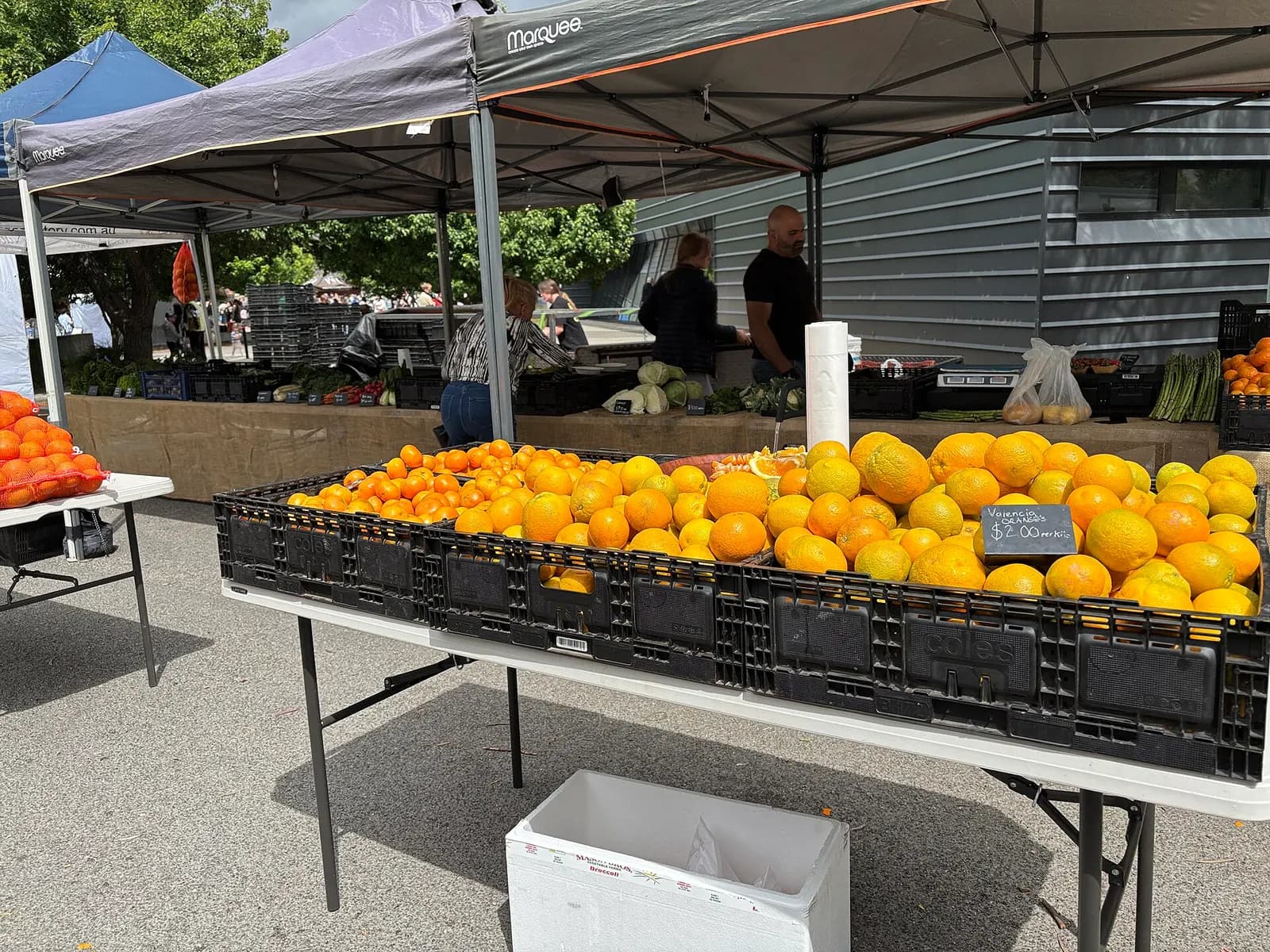
A few examples of what people often need: a food business registration and a food safety supervisor for cafés and food vans; an electrical or plumbing contractor licence for trades; a building licence for residential work over a value set by each state; a liquor licence for alcohol sales; and a working with children check for tutoring or coaching. Requirements and fees differ between states, so a Queensland café and a Victorian café will face different forms.
Step 6: Employing staff — wages, PAYG and Payday Super
Before you hire, decide whether the person is an employee or a contractor; calling an employee a "contractor" doesn't change their legal status, and getting it wrong leaves you liable for unpaid super, PAYG and entitlements. Check the award that covers the job on the Fair Work Ombudsman's site, since awards set minimum pay rates, penalty rates and conditions.
For each new employee you'll need a tax file number declaration, a super choice form, a Fair Work Information Statement, and — from 2026 — a payroll system that handles Payday Super. From 1 July 2026, employers must pay the 12% super guarantee with each pay, calculated on a new measure called qualifying earnings, and the money must reach the employee's fund within 7 business days after payday. Paying quarterly, as businesses did until June 2026, no longer meets the law. The ATO says its focus in the first year (to 30 June 2027) is on helping employers get it right, but late payments still attract the super guarantee charge.
You also need workers compensation insurance from your state or territory's authorised insurer as soon as you employ someone. Each scheme has its own rules about who counts as a worker and when cover must start.
Your first-hire checklist
- 1
Register for PAYG withholding
Do it before the first pay run, through Online services for business, your BAS agent or the Business Registration Service.
- 2
Set up STP-enabled payroll software
STP reporting is compulsory for every employer. Make sure the software supports Payday Super.
- 3
Get workers compensation cover
Arrange it through your state or territory scheme before the employee starts.
- 4
Collect the new-starter forms
TFN declaration, super choice form, bank details; give them the Fair Work Information Statement.
- 5
Pay wages, PAYG and super together
Each payday: net pay to the employee, withheld tax reported via STP, and 12% super to the fund within 7 business days.
Tip: Create clear payslips with our salary slip generator.
Salary slip generator
Step 7: Insurance, banking and bookkeeping
business.gov.au lists only a few insurances as compulsory: workers compensation if you have employees, compulsory third party (CTP) for registered vehicles (usually paid with rego), public liability in some states for some occupations, and professional indemnity in certain professions. Many others are optional but worth pricing — public liability is often a condition of leases, market stalls and contracts even where the law doesn't demand it, and sole traders aren't covered by workers compensation themselves, so personal accident and illness cover is worth considering.
Open a separate business bank account from day one, even as a sole trader. It makes your BAS and tax return far easier and gives you clean evidence if the ATO asks questions. Choose accounting software that handles invoices, GST, BAS and (if you'll employ) STP. Keep records for five years — that's the general ATO requirement.
When you buy equipment, the instant asset write-off can help cash flow. The ATO confirms the A$20,000 write-off is permanent from 1 July 2026: businesses with aggregated turnover under A$10 million can immediately deduct the business portion of each eligible asset costing less than A$20,000, rather than depreciating it over several years. A new A$2,800 laptop and a A$14,000 coffee machine bought in the same year can both be written off in full, because the limit applies per asset.
Step 8: Grants, support and free advice
Australia has no blanket start-up grant, and anyone promising "free government money for every new business" is selling something. What does exist is a large set of targeted programs run by federal, state and territory governments — for exporters, innovation and R&D, regional businesses, energy efficiency, Indigenous businesses, and specific industries.
The fastest way to find them is the grants and programs finder on business.gov.au. It asks for your state, industry, structure, business stage and the type of help you want (funding, loans, advice, tax benefits), then lists programs that are open or coming soon. Shortlist the ones that fit and read each program's guidelines carefully — most require you to be registered, trading for a minimum time or co-investing your own money.
Tax concessions are often worth more than grants for a small business. Sole traders with turnover under A$5 million may get the small business income tax offset of up to A$1,000 a year, and the instant asset write-off above applies to all small businesses. Free help is also available: state small business commissioners handle disputes and offer advice, and many states fund mentoring or business advisory services.
What changed for new businesses in 2025–2026
Recent changes that affect new Australian businesses
1 July 2025
Super guarantee rose to 12%
12 May 2026
2026–27 Budget: instant asset write-off made permanent; other measures announced
1 July 2026
Payday Super starts — super due within 7 business days of each payday
1 July 2026
Income tax rate on A$18,201–A$45,000 cut to 15%; new PAYG tax tables
1 July 2026
A$20,000 instant asset write-off permanent for turnover under A$10 million
1 July 2027
Rate on A$18,201–A$45,000 falls again to 14% (legislated)
The 2026–27 Budget also announced measures that aren't law yet — including a A$250 Working Australians Tax Offset from 2027–28, more flexible PAYG instalment options from 1 July 2027 and a loss carry-back for companies. Treat them as proposals until legislation passes, and don't build your first-year plan around them.
Common mistakes when starting a business
- Registering a business name and thinking you own it. A business name gives no exclusive rights; check trade marks and register one if the brand matters.
- Leaving GST too late. If you cross A$75,000 and don't register within 21 days, the ATO can backdate your registration and you may owe GST you never charged.
- Signing a lease before checking council approval. Use ABLIS and talk to the council first.
- Treating employees as contractors. It doesn't avoid super or PAYG; it just builds a liability.
- Paying super quarterly in 2026. Under Payday Super it's due with every pay.
- Mixing personal and business money. It makes tax time harder and weakens your records.
- Forgetting to save for tax. Sole traders don't have tax taken out; put aside a share of every payment until PAYG instalments start.
Official links
- business.gov.au — guide to starting a business
- Business Registration Service (ABN, business name, GST, PAYG)
- ABRS — director ID
- ASIC — fees for commonly lodged documents
- ABLIS — licences and permits search
- business.gov.au — grants and programs finder
- business.gov.au — types of business insurance
- ATO — about Payday Super
What to do next
Work through the steps in order: decide your structure, apply for your ABN, register your business name, then check GST and licences before you open. If you're going solo, read our sole trader guide next; if you're ready to hire, start with PAYG withholding. Cost out your launch with the startup cost calculator so you know how much runway you have.
This is general information, not legal or tax advice — confirm on the official source or with a professional.
Frequently asked questions
The government registrations can cost very little. An ABN is free, a business name costs A$47 for one year or A$108 for three, and registering a company with ASIC costs A$636 plus a A$342 annual review fee. Your real costs are usually insurance, licences, equipment, rent, software and stock, which vary widely by industry.
Most businesses need one. An ABN identifies your business to the ATO and other businesses, lets you register for GST, and stops customers having to withhold 47% from payments to you. You apply free through the Australian Business Register or the Business Registration Service. You must be carrying on an enterprise, not a hobby, to be entitled to one.
You must register for GST within 21 days of your GST turnover reaching or being expected to reach A$75,000 a year (A$150,000 for non-profits). Taxi and ride-sourcing drivers must register from their first fare, whatever their turnover. Below the threshold, registration is optional, but you can't claim GST credits on your purchases unless you're registered.
Most people start as a sole trader because it's cheap and simple: you use your own tax file number and pay individual rates. A company costs more to set up and run but limits your personal liability and pays a flat 25% if it's a base rate entity. Many owners switch once profits are consistently high or the business carries real risk.
It depends on your industry and where you trade. Licences can come from federal, state or territory and local governments — for example food business registration with your council, a trade licence for electricians and plumbers, or a liquor licence. Use the free ABLIS search on business.gov.au to get a list for your activity and location.
There are no general start-up grants that everyone gets, but there are targeted programs — for example for exporters, regional businesses, innovation, energy efficiency and Indigenous businesses. Use the grants and programs finder on business.gov.au, filter by state, industry and business stage, and read each program's eligibility rules before you apply.
Sources & verification
Figures on this page were checked against the sources below when it was last reviewed on 7 October 2026. Each rate and limit is stored once with its own official source and review date, and official update channels are monitored daily so changes are picked up. How we verify
- 1.Guide to starting a business — business.gov.au · accessed 7 October 2026
- 2.Business structures — business.gov.au · accessed 7 October 2026
- 3.Tax differences between a sole trader and a company — business.gov.au · accessed 7 October 2026
- 4.Register for pay as you go (PAYG) withholding — business.gov.au · accessed 7 October 2026
- 5.Register for goods and services tax (GST) — business.gov.au · accessed 7 October 2026
- 6.Types of business insurance — business.gov.au · accessed 7 October 2026
- 7.Grants and programs finder — business.gov.au · accessed 7 October 2026
- 8.Australian Business Licence and Information Service (ABLIS) — business.gov.au · accessed 7 October 2026
- 9.What does the Budget mean for your business? (2026–27) — business.gov.au · accessed 7 October 2026
- 10.$20,000 instant asset write-off (IAWO) here to stay — Australian Taxation Office · accessed 7 October 2026
- 11.About Payday Super — Australian Taxation Office · accessed 7 October 2026
- 12.Who needs to apply for a director ID and when — Australian Business Registry Services · accessed 7 October 2026
- 13.Fees for commonly lodged documents — ASIC · accessed 7 October 2026
MSMETOOLS is an independent platform and is not affiliated with any government agency, ministry or department.
Tools for this
Startup Cost Calculator
Estimate how much capital you need to launch.
GST Calculator (Australia)
Add or remove 10% Australian GST.
Business Name Generator
Find unique business names.
Business Plan Generator (US)
Create a professional business plan for US investors and banks.
Related guides
 Sole Trader Australia 2026: ABN, Tax Rates & Setup GuideRead guide
 ABN Registration 2026: Apply for an ABN Free (Step by Step)Read guide
 Business Structures in Australia 2026: Which One to ChooseRead guide
 How to Start a Business in WA (2026): Step-by-Step GuideRead guide
Official links open the government site in a new tab.