 GST
How to Register for GST in Australia (2026): The Threshold, the 21-Day Rule and Backdating
How to register for GST in Australia in 2026: the A$75,000 threshold, the 21-day rule, ride-sourcing drivers, how to register free, backdating and A$ examples.
 Edited by Sumeet YadavFounder & editor, MSMETOOLS · fact-checked against official sources
Contents (12)
- 1. What GST registration means
- 2. When you must register
- 3. How to work out your GST turnover
- 4. The taxi and ride-sourcing rule
- 5. How to register for GST, step by step
- 6. What changes once you're registered
- 7. Voluntary registration below the threshold
- 8. Special situations
- 9. Late registration and backdating
- 10. Worked examples in A$
- 11. Common mistakes
- 12. What to do next
Getting your ABN is easy; knowing exactly when the law makes you register for GST is where many new Australian businesses slip. Register too late and the ATO can backdate your registration and ask for GST on sales you never charged it on. This guide is for sole traders, contractors, gig workers, shops and new companies. It explains the A$75,000 test properly — including the projected-turnover half that most people miss — the special rule for taxi and rideshare drivers, how to register for free, what changes once you're registered, and what happens if you register late, with worked examples in A$.
Quick answer
You must register for GST within 21 days of your GST turnover reaching A$75,000 — counted over the last 12 months or projected over the next 12 (A$150,000 for non-profits). Taxi, limousine and ride-sourcing drivers and anyone claiming fuel tax credits must register from day one, whatever they earn. Registration is free through ATO Online services for business, the Business Registration Service, by phone or through a tax or BAS agent.
You need an ABN first; registration costs nothing
Check your turnover every month — both backwards and forwards
Below the threshold, registration is optional (stay at least 12 months)
Late? The ATO can backdate registration up to 4 years and you owe GST on those sales
What GST registration means
Goods and services tax is a 10% tax on most goods, services and other items sold or consumed in Australia. Registered businesses include GST in their prices, send it to the ATO, and claim back the GST included in their business purchases as GST credits. A business that isn't registered can't charge GST and can't claim credits.
Registration attaches to your ABN, not to each business you run. You only register once, even if you operate several activities under the same entity, and you need an ABN before you can register — our ABN registration guide covers that step. Once you're registered, you lodge business activity statements (BAS), and your registration shows on ABN Lookup so customers know you can issue tax invoices. If you're still learning how the 10% is calculated, start with our guide to calculating GST in Australia.
When you must register
The ATO says you must register for GST if any of these apply:
- your GST turnover is A$75,000 or more
- you're starting a new business and expect turnover to reach A$75,000 in the first year
- you're a non-profit with GST turnover of A$150,000 or more
- you provide taxi or limousine travel for passengers, including ride-sourcing, whatever your turnover — owner-drivers and drivers who lease or rent a taxi alike
- you want to claim fuel tax credits
If none of these fits your business, registration is optional. Overseas businesses selling to Australian consumers face the same A$75,000 test and can use a simplified registration; non-residents have their own proof-of-identity rules.
Do I have to register for GST?
Step 1
Have an ABN?
Step 2
Taxi, rideshare or fuel tax credits?
yes = register now
Step 3
GST turnover ≥ A$75,000?
past 12 or next 12 months
Step 4
Register within 21 days
free
Step 5
Otherwise optional
min. 12 months if you choose
How to work out your GST turnover
GST turnover is not profit. It's your total business income — what you invoice or receive for sales — minus:
- the GST included in sales to customers
- input-taxed sales you make, such as residential rent or financial supplies
- sales not connected with an enterprise you run
- sales not connected with Australia
- supplies to associates that aren't for payment and aren't taxable
GST-free sales, such as basic food, many health services and exports, still count towards turnover. That surprises fresh-produce sellers and allied health practitioners who assume they can't be over the threshold because they don't charge GST on much of what they sell. If you're in a GST group, your turnover includes the other members' turnover but not sales between group members.
Current and projected turnover — you test both
You reach the threshold if either test is met:
- Current GST turnover — this month plus the previous 11 months adds up to A$75,000 or more.
- Projected GST turnover — this month plus the next 11 months is likely to reach A$75,000 or more.
When you project, leave out amounts from selling capital assets — a ute or a piece of equipment — and sales made only because you're closing or permanently shrinking the business. The test also works in your favour: if your current turnover is over the threshold because of a one-off spike but the ATO is satisfied your projected turnover will be below it, you don't have to register.
The practical rule is to check both numbers every month. Accounting software makes this easier, but a spreadsheet of monthly sales works too. The 21 days start running when you reach the threshold, or when you know you're going to.
The taxi and ride-sourcing rule
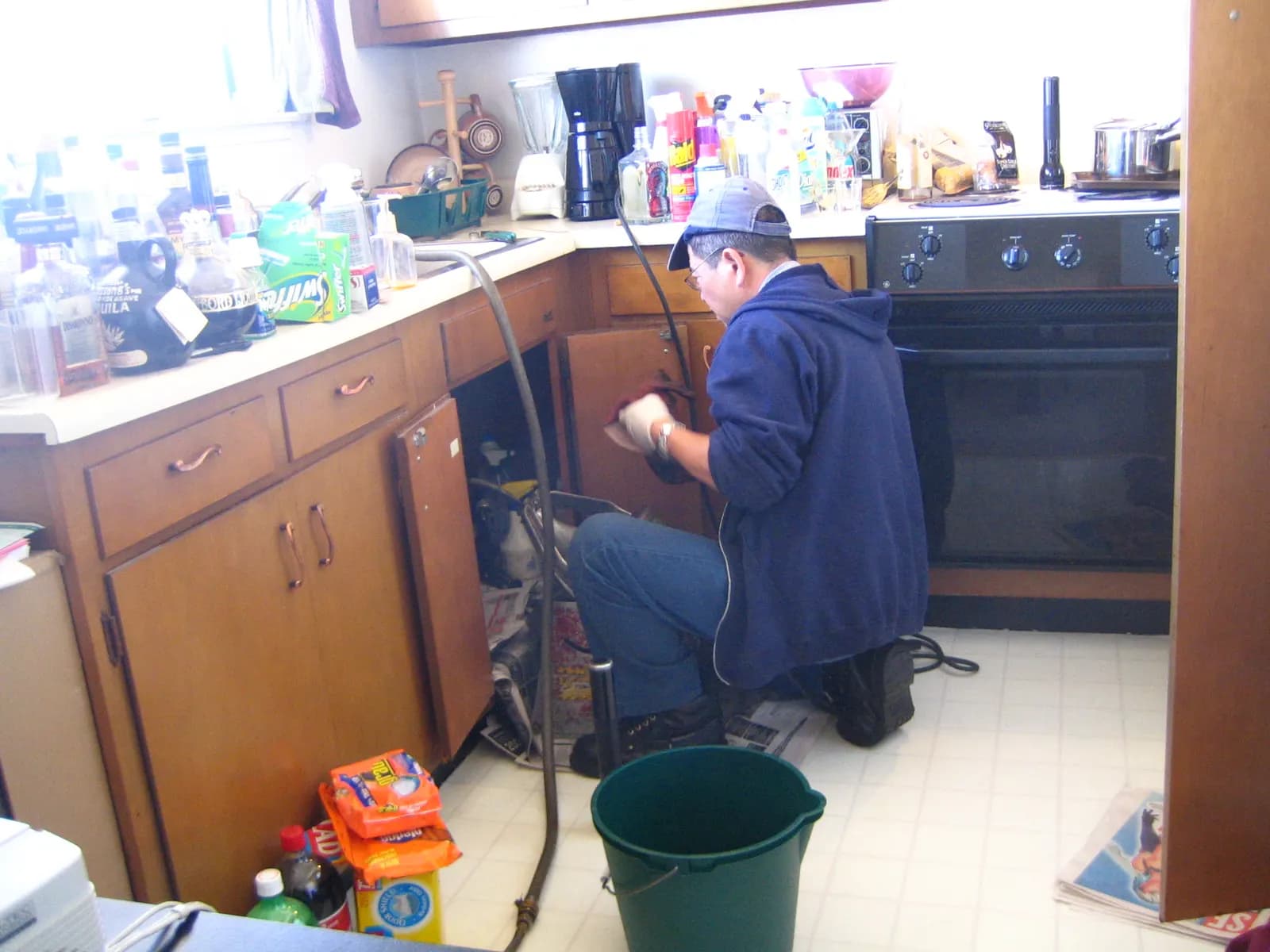
Taxi and limousine travel is the big exception to the threshold. Since the Federal Court's 2017 decision in Uber B.V. v Commissioner of Taxation, ride-sourcing — driving passengers who book through an app or website for a fare — has been treated as taxi travel. The ATO says ride-sourcing drivers must have an ABN and be registered for GST from the day they start, however much or little they earn. The only exception is a driver who is an employee.
Once registered, drivers report GST on their fares, lodge BAS monthly or quarterly, claim GST credits on the business share of car costs, and give passengers a tax invoice for fares over A$82.50 when asked. Food delivery, courier and most other platform work don't fall under the taxi rule, so they follow the normal A$75,000 test — but if you drive passengers as well, your GST registration covers all your business income, delivery included.
The ATO knows who is doing this work. Under the sharing economy reporting regime, platforms have reported ride-sourcing and short-term accommodation transactions since 1 July 2023 and all other reportable transactions since 1 July 2024. That data is matched against GST registrations, so an unregistered rideshare driver is easy to find.
How to register for GST, step by step
Registration is free, and you can do it yourself in a few minutes once you have an ABN.
Register for GST
- 1
Confirm your ABN is active
Business Registration ServiceCheck it on ABN Lookup. If you don't have one yet, apply through the Business Registration Service and tick GST on the same form.
- 2
Choose how to register
Use Online services for business (sign in with myID), phone the ATO's business line on 13 28 66, or ask your registered tax or BAS agent.
- 3
Pick your date of effect
Choose the date your registration starts. If you're already over the threshold, it's the date you were required to be registered — not today.
Tip: Choosing a date in the past is backdating; for anything beyond the online options, phone the ATO.
- 4
Choose your reporting cycle and accounting basis
Most small businesses report quarterly. Businesses with turnover under A$10 million can account on a cash basis.
- 5
Update your prices and invoices
From the date of effect, include GST in taxable prices and show your ABN and the GST on tax invoices.
The ATO then writes to you confirming your GST registration details, including the date your registration takes effect. Keep that letter. If you apply for your ABN and GST together, you'll get both confirmations.
What changes once you're registered
From your date of effect, you include GST in the price of taxable sales. If you currently charge A$100 and want to keep your margin, the price becomes A$110; if you keep the price at A$100, A$9.09 of it is now GST. Check your existing contracts too — some quote prices "plus GST", while others are GST-inclusive, which means the GST comes out of your pocket.
You also start claiming GST credits on business purchases, which needs valid tax invoices for purchases over A$82.50. Our tax invoice requirements guide sets out what yours must show. You report GST collected and credits claimed on your BAS: quarterly is the default for small businesses, and monthly reporting is compulsory once GST turnover reaches A$20 million. Quarterly BAS is due on 28 October, 28 February, 28 April and 28 July.
Registered vs not registered
| Not registered | Registered | |
|---|---|---|
Charge GST on sales | No — you can't | Yes, on taxable sales |
Claim GST credits | No | Yes, on business purchases |
Issue tax invoices | No — issue invoices without GST | Yes, when asked (over A$82.50) |
Lodge BAS for GST | No | Monthly, quarterly or (voluntary registrants) annually |
Shown on ABN Lookup | Not registered for GST | Registered, with date of effect |
Charge GST on sales
- Not registered
No — you can't
- Registered
Yes, on taxable sales
Claim GST credits
- Not registered
No
- Registered
Yes, on business purchases
Issue tax invoices
- Not registered
No — issue invoices without GST
- Registered
Yes, when asked (over A$82.50)
Lodge BAS for GST
- Not registered
No
- Registered
Monthly, quarterly or (voluntary registrants) annually
Shown on ABN Lookup
- Not registered
Not registered for GST
- Registered
Registered, with date of effect
Voluntary registration below the threshold
You can register even if your turnover is well below A$75,000. It often makes sense if most of your customers are GST-registered businesses, because they claim back the GST you charge so your prices effectively don't rise for them. It can also help if you have large set-up costs — equipment, fit-out or stock — because you can claim GST credits on them.
The downside is the extra paperwork and, if you sell to consumers, prices that are 10% higher or margins that are thinner. If you choose to register, you generally have to stay registered for at least 12 months. Voluntary registrants can usually choose to report GST annually rather than quarterly, which cuts the paperwork.
Special situations
Several activities, one entity. Turnover is worked out for the entity, not for each activity. A sole trader who earns A$45,000 from bookkeeping and A$35,000 from selling handmade furniture has GST turnover of A$80,000 and must register, even though neither activity reaches the threshold alone. Once registered, GST applies to taxable sales from both.
Different entities. A company, a partnership and a trust are separate entities with separate ABNs, so each has its own turnover test. A family that splits a business across two entities doesn't automatically get two thresholds, though: related entities may form a GST group, and the ATO can treat artificial arrangements as one.
Hobby income and private sales. Sales that aren't connected with an enterprise you carry on are left out of GST turnover. Selling your own second-hand car or household goods doesn't count. If a hobby becomes a business, its sales start counting from then.
Buying an existing business. GST registration doesn't transfer with the business — the buyer registers in its own right, using projected turnover that includes the business it's taking over. The sale of a business as a going concern can be GST-free, but only if the buyer is registered or required to be registered, so sort out registration before settlement.
Non-profits. Charities and other non-profit bodies use the higher A$150,000 threshold, and some of their fundraising sales can be left out. They still register by the same 21-day rule once they reach it.
GST registration numbers (2026)
A$75,000
Registration threshold
current or projected turnover
A$150,000
Non-profit threshold
21 days
Time to register once required
4 years
Backdating limit
no limit for fraud or evasion
12 months
Minimum stay if you register voluntarily
Late registration and backdating
If you should have registered and didn't, the consequences catch up with you. The ATO says you may have to pay GST on sales made since the date you were required to register — even if you didn't include GST in your prices. In that case the GST is treated as included, so you owe 1/11 of the taxable sales, and penalties and the general interest charge can apply on top.
You can ask the ATO to backdate your registration by phoning its business line, and the ATO can backdate it itself after a review. Backdating is limited to 4 years from the date the ATO decides to backdate, unless there's fraud or evasion — and before your registration start date you're neither liable for GST nor entitled to credits. Coming forward before the ATO contacts you generally puts you in a better position on penalties, so if you realise you crossed the threshold months ago, act now.
Worked examples in A$
A designer's projected turnover
Priya leaves her job in March to freelance as a designer and signs a client retainer worth A$7,000 a month, with other small jobs on top. In March her current GST turnover is only A$7,000, but her projected turnover for March plus the next 11 months is at least A$84,000. Because she expects to reach A$75,000 in her first year, she must register for GST from the start of the retainer. Her client is GST-registered, so invoicing A$7,700 including GST costs it nothing extra after credits.
A tradie who crosses the line mid-year
Sam, a sole-trader plumber, tracks his rolling 12-month sales. At the end of February his current turnover is A$73,800; in March he invoices A$6,900 and the oldest month drops off at A$4,100, taking his current turnover to A$76,600. He has reached the threshold, so he has 21 days to register — and his projected turnover was already heading that way. He registers with a date of effect in March and adds GST to quotes from then on.
| Month end | Sales that month | Rolling 12-month turnover | Over A$75,000? |
|---|---|---|---|
| January | A$5,900 | A$71,200 | No |
| February | A$6,700 | A$73,800 | No |
| March | A$6,900 | A$76,600 | Yes — register within 21 days |
What late registration costs
A café crossed the threshold two years ago but only registered after the ATO contacted it. The ATO backdates its registration to the date it was required to register. Since then it has made A$132,000 of taxable sales (coffee and hot food) without charging GST, plus GST-free sales of basic food that attract no GST. The GST owed is A$132,000 ÷ 11 = A$12,000. It can claim credits for GST in its taxable business purchases over the same period — say A$44,000 of purchases with tax invoices, giving A$4,000 in credits — so the net amount is A$8,000, before any penalty and interest. Had it registered on time and priced GST in, most of that would have come from customers instead.
A part-time rideshare driver
Lee drives for a rideshare platform on weekends and earns A$14,300 in fares in a year. Even though that's well below A$75,000, Lee must register from the first trip. The GST in the fares is A$14,300 ÷ 11 = A$1,300. If the car's GST-inclusive running costs are A$6,600 and 40% of its use is for ridesharing, the claimable credits are A$6,600 ÷ 11 × 40% = A$240, so Lee pays about A$1,060 GST for the year.
Try it — find the GST in a GST-inclusive amount
Common mistakes
Testing only the last 12 months. The projected test catches new businesses and fast-growing ones first. Fix: check both every month.
Thinking GST-free sales don't count. They count towards turnover. Fix: include basic food, exports and GST-free health or education sales in your calculation.
Counting the sale of a business asset in projected turnover. Fix: leave capital asset sales out of the projection.
Starting rideshare driving without registering. Fix: register for GST before your first trip, and lodge BAS even in quiet quarters.
Registering but leaving prices unchanged. Fix: decide before the date of effect whether to absorb GST or add it, and check contracts for "plus GST" wording.
What to do next
Work out where your turnover sits with a rolling 12-month total and a 12-month projection. If you're registering, use our Australian GST calculator to reprice your products and our invoice generator to produce compliant tax invoices, then read our BAS guide before your first quarter ends. If you later fall below the threshold or close down, see how to cancel your ABN and GST.
This is general information, not legal or tax advice — confirm on the official source or with a professional.
Frequently asked questions
You must register within 21 days once your GST turnover reaches A$75,000 — either over the past 12 months or projected over the next 12 — or A$150,000 for a non-profit. Taxi, limousine and ride-sourcing drivers and anyone claiming fuel tax credits must register regardless of turnover. A new business expecting to reach the threshold in its first year should register from the start.
Nothing. Registering for GST through ATO Online services for business, the Business Registration Service or by phone is free. You need an ABN first, which is also free. Websites that charge a fee are private agents completing the same free registration; a registered tax or BAS agent may charge for their time, but there is no government fee.
Yes. The ATO treats ride-sourcing as taxi travel, so drivers must have an ABN and be registered for GST from the day they start, however little they earn. The only exception is a driver who's an employee. Food delivery and most other platform work follow the normal A$75,000 test instead — but if you also drive passengers, your registration covers all your business income.
Yes. You can ask the ATO to backdate your registration by phoning its business line, and the ATO can backdate it on its own if it finds you should have registered. Backdating is limited to 4 years unless there's fraud or evasion. You then owe GST on sales from the backdated date — even if you didn't charge it — but can claim GST credits on purchases from that date.
No. GST turnover is your total business income, not profit, minus the GST included in sales, input-taxed sales such as residential rent, sales not connected with your business or with Australia, and certain non-taxable supplies to associates. GST-free sales, such as basic food, still count. When projecting turnover, leave out sales of capital assets and sales made because you're closing or downsizing.
Yes, registration is optional below the threshold if you have an ABN. You then add GST to most prices, claim GST credits on business purchases and lodge activity statements. If you register voluntarily, you generally have to stay registered for at least 12 months. It can suit businesses selling mainly to GST-registered clients or with large set-up costs.
Sources & verification
Figures on this page were checked against the sources below when it was last reviewed on 12 October 2026. Each rate and limit is stored once with its own official source and review date, and official update channels are monitored daily so changes are picked up. How we verify
- 1.Registering for GST — Australian Taxation Office · accessed 12 October 2026
- 2.Ride-sourcing — Australian Taxation Office · accessed 12 October 2026
- 3.Other changes relating to indirect taxes — Backdating GST registration — Australian Taxation Office · accessed 12 October 2026
- 4.Register for goods and services tax (GST) — business.gov.au · accessed 12 October 2026
- 5.What is the SERR — Australian Taxation Office · accessed 12 October 2026
- 6.Business Registration Service — Australian Government · accessed 12 October 2026
- 7.Uber B.V. v Commissioner of Taxation [2017] FCA 110 — Federal Court of Australia · accessed 12 October 2026
MSMETOOLS is an independent platform and is not affiliated with any government agency, ministry or department.
Tools for this
GST Calculator (Australia)
Add or remove 10% Australian GST.
Invoice Generator
Create professional invoices with tax, logo and custom details.
Related guides
 Calculate GST in Australia 2026: Formula, Examples, BASRead guide
 GST Refunds Australia 2026: BAS Refunds, Timing & LimitsRead guide
 Tax Invoice Australia 2026: ATO Requirements & ExamplesRead guide
 BAS Statement 2026: Due Dates, Labels & How to LodgeRead guide
Official links open the government site in a new tab.