 Starting & growing a business
Starting a Home-Based Food Business in Australia in 2026: State-by-State Rules
Selling food from home in Australia in 2026: notify, register or license by state, what home kitchens can make, ACT and Victorian rules, labels, allergens and GST.
 Edited by Sumeet YadavFounder & editor, MSMETOOLS · fact-checked against official sources
Contents (10)
- 1. Is selling food from home legal in Australia?
- 2. What foods can you make in a home kitchen?
- 3. State-by-state rules for home-based food businesses
- 4. Setting up your home kitchen
- 5. Planning approval: the step people forget
- 6. Labels, allergens and selling at markets or online
- 7. Business registrations, tax and insurance
- 8. Worked examples in A$
- 9. Common mistakes and how to fix them
- 10. What to do next
Thousands of Australians sell food they make at home — birthday cakes, sourdough, biscuits for the school canteen, jams and chutneys at the weekend market, treats sold through Instagram. It's a legitimate way to start a food business, but there is no "cottage food" exemption here: the moment you make food in your home kitchen to sell, you're a food business under your state's Food Act. This guide explains what that means in 2026, how the rules differ between NSW, Victoria, Queensland, WA, SA, Tasmania, the ACT and the NT, which foods home kitchens can realistically make, and how to set up, label and price your products.
Quick answer
A home-based food business in Australia must meet the same Food Standards Code rules as any food business and must notify, register or license with the food regulator before it starts — usually the local council, or ACT Health in the ACT. Councils generally approve only low-risk foods (biscuits, cakes without cream, breads, jams) in a domestic kitchen. You'll also need an ABN, labels on packaged food, and often planning approval for a home business.
NSW and SA: notify the council (SA notification is free)
Victoria and WA: register; Queensland: council licence if you manufacture or sell unpackaged food
ACT: registration, low-risk foods only — A$163 a year
New allergen label format compulsory for all packaged food since 25 February 2026
Food Safety Supervisor needed only for unpackaged, ready-to-eat, potentially hazardous food (and some Victorian classes)
Is selling food from home legal in Australia?
Yes. Food Standards Australia New Zealand (FSANZ) describes a home-based food business as one that uses a home — yours or someone else's — to handle food for sale. Its examples include preparing food for local markets or school canteens, catering for events, bed and breakfasts and farm stays, childcare, and online food sales from home. The rules don't shrink because the business is small or sells only occasionally: FSANZ says home-based businesses must meet the same food safety requirements as other food businesses, regardless of size or how often they sell.
In practice that means three parts of the Food Standards Code apply to you: Standard 3.2.2 (food safety practices and general requirements), Standard 3.2.3 (food premises and equipment) and Part 1.2 (labelling). Food safety officers can inspect your home kitchen to check you're meeting them. If you handle unpackaged, ready-to-eat, potentially hazardous food — a chicken pie, a cream-filled cake, a ready meal — Standard 3.2.2A's extra tools may also apply, including a certified Food Safety Supervisor.
There's one universal first step: before you start, notify your local food regulator, which is usually your council. You also have to tell the council before you change your business name, location or the type of food you make.
Getting a home food business approved
Step 1
Pick low-risk products
Step 2
Talk to council EHO
food + planning
Step 3
Set up the kitchen
Step 4
Notify / register / license
varies by state
Step 5
Inspection
most councils
Step 6
Start selling
What foods can you make in a home kitchen?
This decides more than anything else whether a home kitchen will work. Food regulators split foods into risk levels. Potentially hazardous foods need temperature control to stay safe — meat, dairy, cooked rice and pasta, cut fruit, cream, custard, seafood and most ready meals. Low-risk foods are shelf-stable and don't need refrigeration.
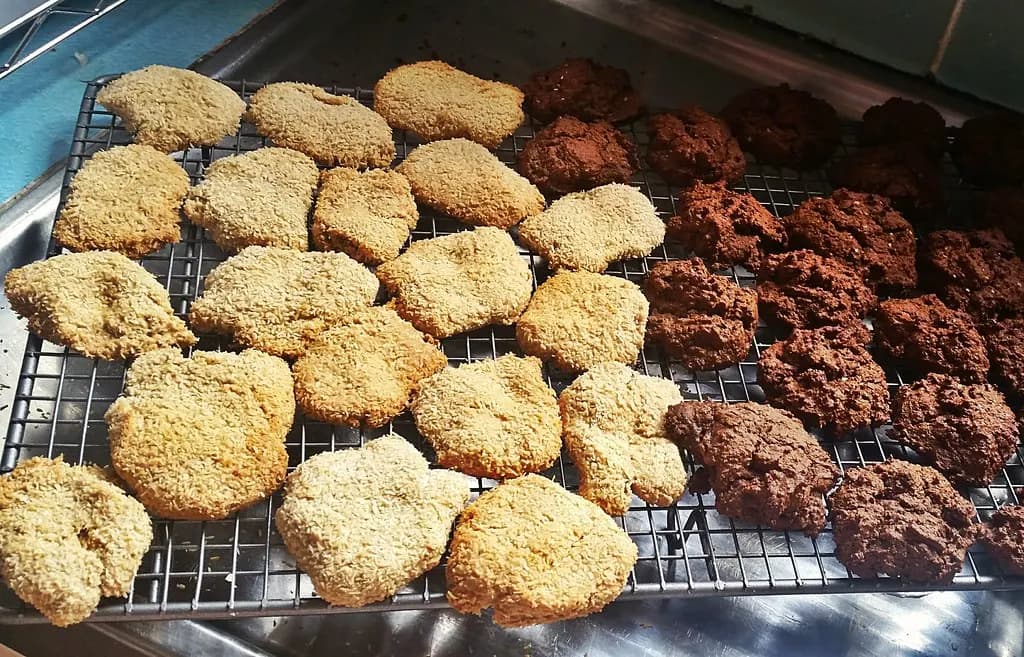
The ACT is the most explicit. It will only approve home kitchens that produce low-risk foods, and lists what that means: biscuits, cookies, cooked cakes, cupcakes, muffins, brownies, cereals, breads, popcorn, hard candies, jam and honey. Foods it says you can't make at home include meat products, fermented meats, dairy products, cooked rice or pasta, chopped fruit or vegetables, juices, preserves in oil or brine, cheese and grazing platters, relishes, kombucha, raw egg products, seed sprouts, ready-to-eat meals, infant foods and food for aged-care facilities. Icings must be non-potentially hazardous — icing sugar, fondant or shelf-stable commercial products — with no cream, custard, curd, cut fruit or fruit puree. Dairy or egg-based icings and ganache may need lab results showing the product is shelf-stable.
Other states are less prescriptive but land in a similar place. A Queensland council's guidance limits licensable domestic-kitchen work to non-potentially hazardous manufacturing such as chutneys, jams, biscuits and cakes without fresh cream or custard, and Queensland Health notes some councils won't allow particular food businesses in a domestic kitchen at all. If you want to make higher-risk food, the realistic options are a separate commercial kitchen at home (with its own approvals) or hiring a commercial or community kitchen by the hour.
State-by-state rules for home-based food businesses
The national standards are the same everywhere, but each state's Food Act sets its own paperwork. Here's how it works in each jurisdiction.
| State / territory | What you must do | Who with | Notes |
|---|---|---|---|
| NSW | Notify before starting | Council if you sell direct to customers; NSW Food Authority if you sell to other businesses | High-risk manufacturing may need a Food Authority licence |
| Victoria | Register (class 2, 3 or 3A) or notify (class 4) | Local council | Class 2 and 3A need a Food Safety Supervisor |
| Queensland | Licence if you manufacture food or sell unpackaged food by retail | Local council | Unpackaged snack foods such as cakes without cream are exempt from licensing |
| Western Australia | Register — "food prepared in a residential home intended for sale" is listed | Local government | One-off registration fee; annual charges vary by council |
| South Australia | Notify with a Food Business Notification form | Local council | No fee for notification; inspections apply |
| Tasmania | Notify and, depending on the food, register | Local council | Each proposal assessed by an environmental health officer |
| ACT | Register — low-risk foods only | ACT Health (Health Protection Service) | A$163 a year for low risk |
| Northern Territory | Register | NT Government | Fees from about A$67 for lower-risk businesses |
New South Wales
In NSW, the NSW Food Authority treats preparing or storing food at home for later sale — even for in-kind rewards — as a food business with the same requirements as other retail food businesses. If you sell direct to the final customer (from home, at a market or to a school canteen), your local council regulates you, and your notification is made through the council. If you sell to another business to on-sell — supplying a café with slices, for example — you notify the NSW Food Authority instead, and if you manufacture high-risk foods you may need a Food Authority licence, decided case by case. Check first that the council allows your activity: some won't approve high-risk foods at home. Notifications are personal to each business, so buying an existing home business means notifying again. You'll need a Food Safety Supervisor if you sell food that is ready to eat, potentially hazardous and not in the supplier's original packaging.
Victoria
Victoria registers food premises by class. Class 2 covers potentially hazardous food (meat dishes, rice, dairy, dumplings, cakes with fresh cream or custard), class 3 covers low-risk food such as plain cakes, jams and dried fruit, class 3A covers home-based businesses that make chutney, relish and sauce-type products using a hot-fill process, and class 4 covers pre-packaged low-risk food. Classes 2, 3 and 3A register with the council; class 4 notifies. Class 2 and 3A premises need a nominated Food Safety Supervisor. Councils typically set conditions for domestic kitchens — no indoor pets, a hand-wash basin with hands-free taps, a separate fridge for business food, smooth cleanable surfaces — and want to inspect before you start. Victorian home businesses must also meet the "home occupation" rules in the state planning scheme, and selling at markets needs a separate temporary premises registration on the state's FoodTrader system.
Victoria — classes that apply to home food businesses
| Class | Typical home products | Register or notify | Food Safety Supervisor |
|---|---|---|---|
Class 2 | Meat dishes, rice, dairy, dumplings, cakes with fresh cream or custard | Register | Yes |
Class 3A | Chutney, relish and sauce made by hot-fill | Register | Yes |
Class 3 | Cakes without cream, jams, dried fruit, grains | Register | No (keep minimum records) |
Class 4 | Pre-packaged low-risk food, e.g. chocolate bars | Notify | No |
Class 2
- Typical home products
Meat dishes, rice, dairy, dumplings, cakes with fresh cream or custard
- Register or notify
Register
- Food Safety Supervisor
Yes
Class 3A
- Typical home products
Chutney, relish and sauce made by hot-fill
- Register or notify
Register
- Food Safety Supervisor
Yes
Class 3
- Typical home products
Cakes without cream, jams, dried fruit, grains
- Register or notify
Register
- Food Safety Supervisor
No (keep minimum records)
Class 4
- Typical home products
Pre-packaged low-risk food, e.g. chocolate bars
- Register or notify
Notify
- Food Safety Supervisor
No
Queensland
Under Queensland's Food Act 2006, you need a food business licence from your council if your business manufactures food (combining ingredients) or sells unpackaged food by retail. Several activities are exempt from licensing, including selling unpackaged snack food such as cakes and biscuits without cream or custard, confectionery and nuts, and selling drinks other than juice processed on site. Exempt businesses still have to follow the food safety rules. Queensland Health lists preparing food for sale at a market or fete and bed and breakfasts as home-based activities that may need a licence, and stresses that council approval — including town planning, building and plumbing — is needed before you start.
Western Australia, South Australia and Tasmania
In WA, the Department of Health lists "food prepared in a residential home intended for sale" as a business that must register with the local government's environmental health service before operating, with a one-off registration fee; operating without registration can lead to prosecution. In SA, home-based food businesses notify their local council with a Food Business Notification form before they start, there's no fee for notification, and the business is subject to inspections. In Tasmania, you must give the council written notice before conducting a food business, and the council decides — usually after an environmental health officer reviews your proposal — whether registration is needed for your foods.
ACT and Northern Territory
In the ACT, you must be registered under the Food Act 2001 before opening a home food business, and registration is only approved for low-risk foods. The planning checklist asks you to decide your products, confirm a domestic kitchen suits them, complete or start Food Safety Supervisor training and have the right equipment — a hand-wash basin (a single side of a double-bowl sink can do) and a dishwasher or double-bowl sink for sanitising. Registration costs A$163 for one year at low risk (A$239.50 for medium risk). In the NT, food businesses register with the NT Government, with fees based on risk class.
Setting up your home kitchen
FSANZ's checklist for home-based premises is a good baseline wherever you are. You need a layout with enough space to keep raw and cooked food apart and waste away from food; a convenient hand-wash basin with warm running water, soap and single-use towels (if you'll use the same sink for dishes or laundry, you need the council's written approval); fridges big enough to hold food at 5°C or colder; enough storage to separate business food and packaging from household items; easily cleaned floors, walls and benches; drinking-quality water; good light and ventilation; and a safe way to store and dispose of waste.
Home kitchen checklist before you apply
0/8Day-to-day practice matters as much as the fit-out. Keep pets, children, visitors and anyone who is sick out of the kitchen while you're producing. Wash hands thoroughly before handling food, clean and then sanitise food-contact surfaces, and keep records of your ingredients, suppliers and — if you wholesale — who you sold to, so you can trace a problem batch. If you make products whose safety depends on acidity or water activity, such as chutneys and sauces, know the critical limits and how you check them.
Planning approval: the step people forget
A food registration is not permission to run a business from your house. Councils regulate home businesses through planning rules — sometimes called home occupation or home business provisions — that can limit customer visits, deliveries, signage, staff, parking and the share of the house used for the business. A Queensland council puts it plainly: applying for a food licence doesn't automatically give you approval to run the business from home. If you rent, check your lease; if you're in a strata building, check the by-laws. Ask the council's planning team the same week you talk to its environmental health officer.
Labels, allergens and selling at markets or online
Packaged food you sell at markets, through shops or online generally needs a label that complies with Part 1.2 of the Food Standards Code — name of the food, ingredients, allergen declarations, business name and address, date marking, net quantity and, for most packaged food, a nutrition information panel. Some exemptions apply, for example to some food made and packaged on the premises it's sold from, so check which apply to your product before printing.
Allergens deserve special care. The Plain English Allergen Labelling (PEAL) rules commenced on 25 February 2024, and the transition for old-format labels ended on 25 February 2026, so every packaged product you sell now has to use the required names — wheat, milk, egg, soy, sesame, peanut, each individual tree nut and so on — in bold in the ingredient list, plus a separate "Contains" summary statement. Food sold unpackaged at a stall still needs its allergen information displayed with the food or given to customers on request. "Free from" claims are risky in a home kitchen: one Victorian council notes such claims must be validated by a NATA-accredited laboratory, which is hard to maintain when the kitchen is shared with family cooking.
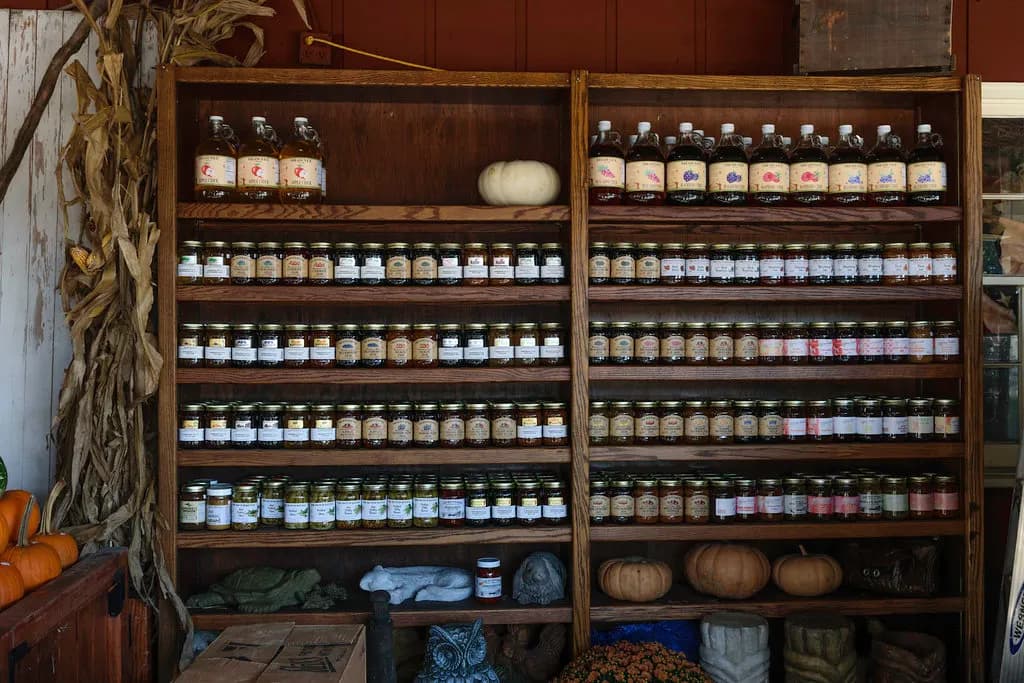
Selling at markets usually needs more than your home registration. Many councils and market operators require a separate temporary or mobile food business registration — in Victoria through FoodTrader or Streatrader — plus public liability insurance. Selling online or through social media doesn't change your food obligations, but posting food adds a risk: low-risk products travel well, while anything needing refrigeration is very hard to post safely. Our guide to starting an online store covers consumer law, payments and privacy for online sales.
Business registrations, tax and insurance
Once you're selling regularly with the intention of making a profit, you're running a business, not a hobby. Get an ABN (free) and register a business name if you trade as "Sweet Crumbs" rather than your own name (A$47 for one year). Most home food businesses run as sole traders. Keep records of ingredients, packaging and equipment so you can claim them as deductions, and set aside tax on your profit.
GST registration is compulsory once your turnover reaches A$75,000. If you register, the GST treatment of food is not intuitive: many basic foods are GST-free, but the GST law specifically makes cakes, biscuits, confectionery and food for consumption on the premises taxable. Our GST registration guide explains how to register and when it's worth doing early.
Insurance isn't required by the Food Acts, but product liability insurance (usually bundled with public liability) is often required by markets and shops, and protects you if someone falls ill. Tell your home and contents insurer that you run a business from home, because many policies exclude business activity.
Home food business numbers (2026)
free
ABN
A$47
Business name, 1 year
A$163
ACT low-risk registration
1 year
A$75,000
GST registration threshold
5°C / 60°C
Cold and hot holding limits
potentially hazardous food
Worked examples in A$
Biscuits and brownies from a Canberra kitchen
Mei bakes biscuits and brownies in her Canberra kitchen and sells them at a weekend market and to a local café. These are low-risk foods, so ACT Health can register her home kitchen. She completes Food Safety Supervisor training, sets up a hand basin and dishwasher, and pays A$163 for a one-year low-risk registration. She registers an ABN (free) and a business name (A$47), arranges product and public liability insurance for about A$500 a year (a broker estimate), and prints labels with the new allergen format. Her ingredient and packaging cost is A$1.10 per brownie and she sells at A$5, so each sale covers about A$3.90 towards fixed costs. Her caramel slice with cream cheese icing is a different story: it's potentially hazardous, so she can't make it at home and would need a commercial kitchen.
Chutneys and relishes in suburban Melbourne
Tom makes chutneys and relishes using a hot-fill process. In Victoria that's class 3A, so he registers his home kitchen with his council, nominates himself as Food Safety Supervisor after completing the course, and records the acidity checks that keep his products safe. Because he supplies two delis that on-sell his jars, he keeps records of every batch and who bought it so he can recall a batch if needed. He checks the home occupation rules with the council's planning team because customers sometimes collect orders from his house.
Common mistakes and how to fix them
Starting before notifying or registering. Food Acts in every state set penalties for operating without notifying or registering. Fix: talk to the council's environmental health officer first, then notify or apply.
Assuming any food is fine at home. Fix: check your product against your regulator's list of potentially hazardous foods before you invest in packaging or branding.
Old-style allergen labels. Fix: since 25 February 2026, every packaged product must use the PEAL format — reprint old stock labels.
Forgetting planning approval. Fix: ask about home business rules at the same time as food registration.
Selling to cafés without telling the right regulator. Fix: in NSW, wholesale sales mean notifying the NSW Food Authority, not just the council.
Using the family fridge for stock. Fix: keep business food separate and temperature-checked; many councils require a dedicated fridge.
Official links
- FSANZ — Home-based food businessesNational requirements and set-up checklist
- FSANZ — Allergen labellingPEAL rules and required names
- NSW Food Authority — Home-based businessesCouncil vs Food Authority notification
- Victoria — Food business classesClasses 2, 3, 3A and 4
- Queensland — Do I need a food business licence?Licence triggers and exemptions
- WA Health — Registration of a food businessHome food businesses register with local government
- SA Health — Starting a food businessFree notification
- ACT — Selling food from a home-based businessLow-risk foods only
What to do next
Cost each product with our food cost calculator, then call your council's environmental health team with your product list before you buy packaging. If the business outgrows your kitchen, our guide to starting a cafe covers commercial premises, and our national start-up guide covers structures and tax.
This is general information, not legal or tax advice — confirm on the official source or with a professional.
Frequently asked questions
Yes, but a home kitchen used to make food for sale is a food business. You must notify, register or license it with the food regulator — usually your local council, or ACT Health in the ACT — before you start, and meet the same Food Standards Code rules as any other food business. Councils can refuse high-risk foods in a domestic kitchen and will usually inspect it first.
Not in the US sense of a separate, lighter regime. Every state treats a home kitchen as a food business under its Food Act. What varies is the paperwork and what's allowed: the ACT only approves low-risk foods in home kitchens, Queensland exempts some unpackaged snack foods from licensing, and Victoria has a class 3A for home businesses making chutneys, relishes and sauces by hot-fill.
Low-risk, shelf-stable foods are the usual approvals: biscuits, breads, cakes and cupcakes without cream or custard, muffins, brownies, jams, honey, popcorn and hard confectionery. Potentially hazardous foods — meat, dairy, cooked rice, cut fruit, cream and custard fillings, ready meals and preserves in oil — usually need a commercial kitchen, and some councils won't approve them at home at all.
Only if you handle unpackaged, potentially hazardous food that is ready to eat, which brings Standard 3.2.2A into play. Most home businesses making low-risk baked goods don't. Victoria requires a nominated Food Safety Supervisor for class 2 and 3A premises, and the ACT asks applicants to have completed or started FSS training before applying.
Packaged food sold at markets, in shops or online generally needs a label meeting Part 1.2 of the Food Standards Code, including allergens declared in the new plain-English format. The transition for old-style allergen labels ended on 25 February 2026. Unpackaged food still needs allergen information displayed or provided on request.
Only once you're registered for GST — compulsory when turnover reaches A$75,000. Then it depends on the food: many basic foods are GST-free, but cakes, biscuits, confectionery and food for consumption on the premises are generally taxable. A small home baker under the threshold doesn't charge GST at all.
Sources & verification
Figures on this page were checked against the sources below when it was last reviewed on 13 October 2026. Each rate and limit is stored once with its own official source and review date, and official update channels are monitored daily so changes are picked up. How we verify
- 1.Home-based food businesses — Food Standards Australia New Zealand · accessed 13 October 2026
- 2.Standard 3.2.2A – Food safety management tools — Food Standards Australia New Zealand · accessed 13 October 2026
- 3.Allergen labelling for food businesses — Food Standards Australia New Zealand · accessed 13 October 2026
- 4.Home-based and mixed businesses — NSW Food Authority (Wayback capture 23 September 2026) · accessed 13 October 2026
- 5.Changes to food business classifications and regulations — Victorian Department of Health (Wayback capture 17 May 2026) · accessed 13 October 2026
- 6.Home based food business guide — City of Kingston (Victorian council) · accessed 13 October 2026
- 7.Do I need a food business licence? / Home-based food businesses — Queensland Government · accessed 13 October 2026
- 8.Registration of a food business — WA Department of Health · accessed 13 October 2026
- 9.Starting a food business — SA Health · accessed 13 October 2026
- 10.Selling food from a home-based business — ACT Government (Wayback capture 19 July 2026) · accessed 13 October 2026
- 11.Fees to register a food business — ACT Government (Wayback capture 19 July 2026) · accessed 13 October 2026
MSMETOOLS is an independent platform and is not affiliated with any government agency, ministry or department.
Tools for this
Food Cost Calculator
Calculate food cost, menu pricing and profit margins.
Startup Cost Calculator
Estimate how much capital you need to launch.
Markup Calculator
Turn cost and markup into a selling price.
Invoice Generator
Create professional invoices with tax, logo and custom details.
Related guides
 How to Start an Online Store in Australia (2026 Guide)Read guide
 How to Start a Cafe in Australia (2026): Costs & LicencesRead guide
 How to Start a Business in Queensland (2026): Full GuideRead guide
 How to Start a Cleaning Business in Australia (2026 Guide)Read guide
Official links open the government site in a new tab.