 Sales tax
Alabama Sales Tax Rate in 2026: State and Local Rates, Groceries, SSUT and Filing
Alabama sales tax rate 2026: 4% state plus local taxes (Birmingham 10%), groceries at 2% state, the 8% SSUT for online sellers, and how to file in MAT.
 Edited by Sumeet YadavFounder & editor, MSMETOOLS · fact-checked against official sources
Contents (10)
- 1. How Alabama sales tax is built: state, county, city
- 2. Self-administered cities and counties: the part that trips people up
- 3. Groceries: the 2% state rate and the 2026 holiday
- 4. Who must register and collect Alabama sales tax
- 5. The Simplified Sellers Use Tax (SSUT): 8% flat
- 6. Filing and paying: due dates, frequency and the discount
- 7. Sales tax holidays: what retailers must do
- 8. Use tax: when no one charged you sales tax
- 9. Common Alabama sales tax mistakes and how to fix them
- 10. What to do next
Alabama has one of the lowest state sales tax rates in the country and some of the highest combined rates, because its cities and counties pile their own taxes on top. This guide is for Alabama shop owners, restaurants, contractors and online sellers who need to know what to charge in 2026, how groceries are taxed after the September 2025 cut, how the flat-rate program for out-of-state sellers works, and how to register, file and pay without missing the local returns that catch many new businesses out.
Quick answer
Alabama's state sales tax rate is 4%, but counties and cities add their own taxes, so most shoppers in a city pay 9% to 10% or more. Groceries carry a reduced 2% state rate since September 1, 2025, plus local tax. Out-of-state sellers can use the 8% Simplified Sellers Use Tax instead of local rates.
Combined general rates: Birmingham, Montgomery, Mobile and Tuscaloosa 10%; Huntsville 9%
Groceries: 2% state plus local — 8% in total in Birmingham
Many big cities collect their own tax (self-administered), but you can file them through ONE SPOT in My Alabama Taxes
Returns and payment due by the 20th of the following month; on-time filers keep a discount
Remote sellers above $250,000 of Alabama sales must collect — SSUT at a flat 8% is the simple route
How Alabama sales tax is built: state, county, city
Alabama sales tax has three layers. The state levies 4% on most retail sales of tangible goods. Each of the 67 counties can add its own tax, sometimes several (a general county tax, a school tax, a countywide tax that applies inside and outside city limits). Cities and towns add a municipal tax, and many also tax sales in their "police jurisdiction", a band of unincorporated land outside the city limits, usually at half the city rate.
The result is a patchwork. The Department of Revenue (ADOR) publishes every local rate in a downloadable file and an address lookup, and the October 2026 file lists hundreds of separate local tax codes. Rates change during the year, usually on the first of a month, and ADOR posts notices of local tax changes on its website before they take effect. If you sell from a shop, you charge the combined rate where the shop is. If you deliver, the local tax generally follows the delivery address, which is why businesses that deliver across several towns rely on the lookup rather than memory.
Alabama also taxes a handful of things at reduced state rates. Motor vehicles are taxed at 2%, manufacturing and farm machinery at 1.5%, and food sold through vending machines at 3%. Separate state taxes apply to rentals and leases of goods (4% general, 1.5% automotive) and to hotel rooms (4%, or 5% in the 16 counties of the Alabama Mountain Lakes area). These sit alongside sales tax rather than replacing it, and each has its own local versions.
Combined general sales tax in major Alabama cities (October 2026)
| City | State | County | City | Combined | Who collects the local tax |
|---|---|---|---|---|---|
Birmingham (Jefferson Co.) | 4% | 2% | 4% | 10% | City and county self-administer |
Montgomery | 4% | 2.5% | 3.5% | 10% | City and county self-administer |
Huntsville (Madison Co.) | 4% | 0.5% | 4.5% | 9% | City and county self-administer |
Mobile | 4% | 1% | 5% | 10% | City and county self-administer |
Tuscaloosa | 4% | 3% | 3% | 10% | City and county self-administer |
Birmingham (Jefferson Co.)
- State
4%
- County
2%
- City
4%
- Combined
10%
- Who collects the local tax
City and county self-administer
Montgomery
- State
4%
- County
2.5%
- City
3.5%
- Combined
10%
- Who collects the local tax
City and county self-administer
Huntsville (Madison Co.)
- State
4%
- County
0.5%
- City
4.5%
- Combined
9%
- Who collects the local tax
City and county self-administer
Mobile
- State
4%
- County
1%
- City
5%
- Combined
10%
- Who collects the local tax
City and county self-administer
Tuscaloosa
- State
4%
- County
3%
- City
3%
- Combined
10%
- Who collects the local tax
City and county self-administer
These combined figures come from adding the state rate to the general city and county rates in ADOR's current rate file. Some cities straddle two counties, and special districts can add more, so treat the table as a guide and confirm a specific address with ADOR's lookup before you set up a register.
Self-administered cities and counties: the part that trips people up
In most states, the state collects local sales taxes and passes them on. Alabama is different. ADOR collects the tax for more than 200 cities and counties, but many others, including every one of the five largest cities above, collect their own tax or hire a private company to do it. ADOR's rate file marks each locality as state-administered, self-administered, or administered by a private firm such as Avenu Insights. These are called non-state administered (NSA) localities.
For you, the practical difference is registration and amendments. Registering with ADOR covers the state tax and state-administered local taxes. For a self-administered city or county, you may also need to open an account with that locality or its administrator. ADOR's own guidance tells sellers to contact each county and municipality where they do business to confirm whether they must register for local tax there. When you need to amend an NSA return or have a question about it, ADOR's October 2026 list of non-state administered localities says to go to the local administrator, not to ADOR.
The good news is filing. Since 2016, ONE SPOT inside My Alabama Taxes (MAT) has let you file and pay state-administered and non-state administered local returns in one place. You complete a local tax return listing each locality and its tax, and MAT routes the money. A few NSA localities don't accept ACH credit payments, so check ADOR's list if you pay that way.

Police jurisdictions
If your business sits just outside a city, you may still owe city tax. Alabama cities can extend their sales tax into their police jurisdiction, the area just beyond city limits where the city provides police protection. ADOR's rate file shows a separate police-jurisdiction rate for many cities: Montgomery's is 1.75%, half its in-city 3.5% rate, and Mobile's is 2.5% against an in-city 5%. A store on a rural highway can therefore owe state, county and a reduced city tax. The address lookup tells you which applies.
Groceries: the 2% state rate and the 2026 holiday
Food has been the biggest change in Alabama sales tax in recent years. Under Act 2023-554, the state rate on food fell from 4% to 3% on September 1, 2023. The second step, to 2%, depended on growth in the state's Education Trust Fund and took effect on September 1, 2025. ADOR's rate table now shows 2% for food from that date.
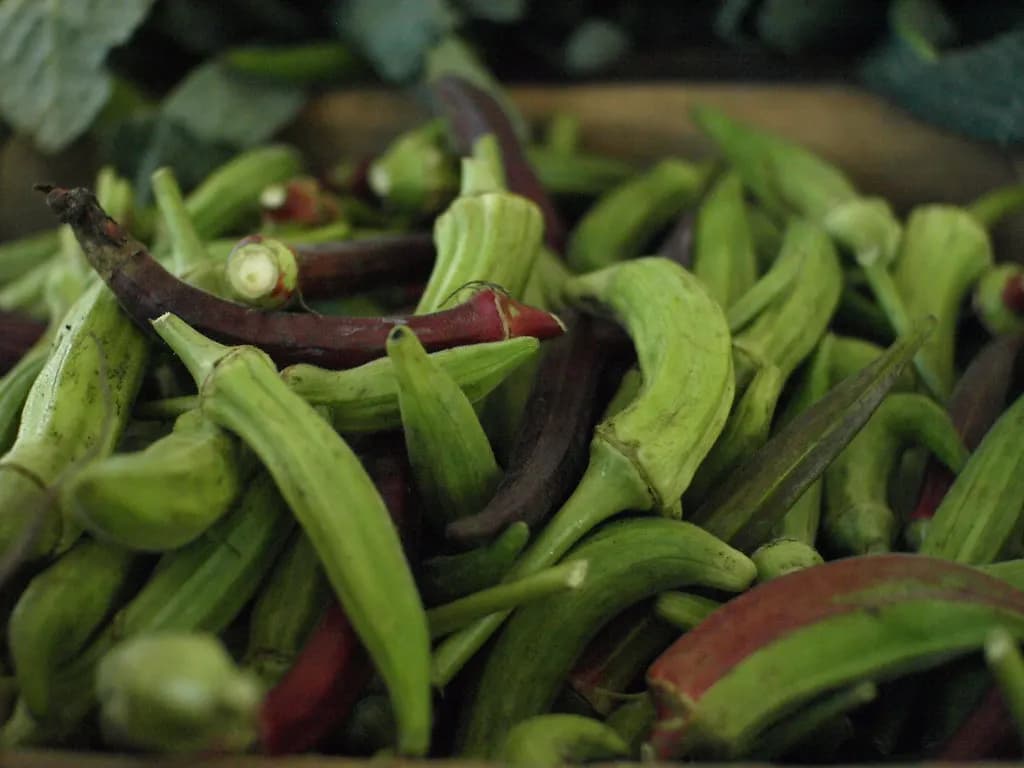
"Food" here means food that qualifies under the federal SNAP program: groceries for home consumption. Hot foods, food sold for immediate consumption, alcoholic drinks and tobacco don't qualify and are taxed at the 4% general rate. A restaurant meal, a rotisserie chicken kept hot, or a deli sandwich made to order is taxed at the full rate; a bag of rice, cold milk or a pack of raw chicken is taxed at the food rate.
The catch is local tax. ADOR's 2023 notice explained that city and county rates on food were set equal to each locality's general rate as of June 15, 2023, and that a locality may lower its food rate only in 25% steps in a year when its general fund grows enough. Most haven't, so groceries in most cities are taxed at the full local rate. In Birmingham that means 2% state plus 2% county plus 4% city, or 8% on a cart of groceries, against 10% on everything else.
The May–June 2026 grocery tax holiday
In 2026 the legislature went further for a short time. Act 2026-604 suspended the state tax on SNAP-eligible food from May 1 through June 30, 2026. Local city and county taxes on food kept applying throughout, and the state's 2% came back on July 1. ADOR's notice told retailers to keep reporting all grocery sales in gross proceeds and then deduct the qualifying food from the base for the state tax only. If you sell groceries and your May or June returns didn't follow that method, check them now; an amended return is easier than an audit adjustment.
The notice covered only those two months and said nothing about later years. If you see claims that the holiday repeats, wait for an ADOR notice before you change your register.
Worked example: a corner store in Huntsville
A convenience store inside Huntsville city limits sells $200 of groceries and $100 of other goods (soda is food under SNAP, but beer, cigarettes and hot food are not). Groceries carry the 2% state food rate, Huntsville's 4.5% city grocery rate and Madison County's 0.5% countywide rate, or 7% in total: $14. The $100 of general merchandise carries 9%: $9. The customer pays $23 in tax on a $300 basket.
The point of the example is the till setup. Your point-of-sale system needs at least two tax categories, food and general, with different state rates but the same local rates in most places. If you set the food category to 2% total, you'll undercharge by the full local rate and owe the difference yourself.
Try it — tax on a $300 Huntsville basket
Who must register and collect Alabama sales tax
Any business that sells taxable goods at retail in Alabama needs a sales tax account with ADOR. You register online in My Alabama Taxes (MAT); ADOR doesn't charge for the account, and the license it issues doubles as your resale certificate, so you can buy inventory tax-free from suppliers. The license must be renewed every year between November 1 and December 31. Renewal is free but not automatic, and an expired license can be cancelled. Our Alabama business license guide covers the separate county privilege license and city license you'll also need.
Most services aren't taxable in Alabama, but some are, and many service businesses also sell parts or products. Contractors are a special case: they generally pay sales tax when they buy materials rather than charging it to the customer, with exceptions for government and other exempt projects. If you're unsure, ADOR's Sales and Use Tax Division can tell you how your activity is treated.
Out-of-state sellers: the $250,000 rule
Remote sellers with no store or staff in Alabama must collect once their retail sales of goods delivered into the state exceed $250,000 in the previous calendar year. Only direct retail sales count; wholesale sales to buyers who give you an Alabama resale certificate don't, and nor do sales made through a marketplace such as Amazon or Etsy that already collects Alabama tax for you. Marketplace facilitators with $250,000 or more of Alabama marketplace sales have had to collect or report since January 1, 2019.
The Simplified Sellers Use Tax (SSUT): 8% flat
SSUT exists so remote sellers don't have to deal with hundreds of local rates. If you're accepted into the program, you charge a flat 8% on every sale shipped into Alabama, whatever the delivery address. You file one return a month, electronically, by the 20th, and you keep a 2% discount on tax you collect properly and pay on time. ADOR splits the money between the state and local governments, with the local share distributed to cities and counties by population.
To qualify, you must sell into Alabama from inventory or locations outside the state, have no physical presence in Alabama, and not otherwise be required to collect Alabama tax. You apply through MAT and must be accepted before you start charging the 8%. A seller that later opens a storefront or affiliates with a physical retailer in Alabama loses eligibility and must switch to ordinary sales tax at local rates.
Is 8% a good deal? It depends where your customers live. In a city at 10%, you charge less than a local shop would; in a rural area at 7%, you charge more. For most small online sellers, the time saved outweighs the difference, and the customer doesn't owe anything extra on an SSUT sale.
Alabama sales tax at a glance (2026)
4%
State general rate
2%
State rate on SNAP-eligible food
since Sept 1, 2025
8%
Flat SSUT rate for remote sellers
$250,000
Remote seller collection threshold
10%
Combined rate in Birmingham, Montgomery, Mobile, Tuscaloosa
Worked example: an Etsy-style seller in Georgia
A Georgia candle maker sells $40,000 a month into Alabama through her own website. She's well over the $250,000 threshold, so she joins SSUT and charges 8% on every Alabama order, about $3,200 a month. She files her SSUT return in MAT by the 20th of the next month, keeps the 2% discount ($64) and pays $3,136. Her sales through Etsy don't count toward her own threshold, because the marketplace collects Alabama tax on those orders itself.
Filing and paying: due dates, frequency and the discount
Alabama sales tax returns and payment are due on or before the 20th of the following month for the period just ended. If you pay by EFT, the payment must be transmitted by 4 p.m. Central time on the due date to count as on time. Monthly filing is the default. ADOR lets smaller sellers file less often: quarterly if last calendar year's tax was under $2,400, semi-annually if under $1,200 (or if you sold in no more than two 30-day periods) and annually if under $600 (or you sold in only one 30-day period). You must ask before February 20 for the change to apply that calendar year.
Larger sellers have an extra step. A business whose average monthly state sales tax was $20,000 or more in the previous year must make estimated payments for the current month by the 20th of that same month. That threshold was raised from $5,000 on October 1, 2023, which the Governor's office said freed more than 3,000 small businesses from prepaying. If you're below it, you simply pay last month's tax by the 20th.
How to file an Alabama sales tax return
- 1
Log in to My Alabama Taxes
Open your sales tax account in myalabamataxes.alabama.gov. File even if you had no sales; a zero return is still required.
- 2
Report gross sales and deductions
Enter total gross proceeds, then deduct wholesale sales, exempt sales and any other allowed deductions. Split food from general sales so each gets the right state rate.
- 3
Add local taxes in ONE SPOT
Complete the local return for every state-administered and non-state administered city and county where you made sales, using the codes from ADOR's rate file.
Tip: A missing local line is the most common Alabama sales tax error.
- 4
Pay by the 20th
Open My Alabama TaxesPay by ACH debit or credit so the payment is transmitted by 4 p.m. Central on the due date. The discount is lost on late payments.
The timely-filing discount, worked
On-time filers keep part of the tax as compensation for collecting it. Under ADOR's rule, the discount is 5% of the first $100 of tax plus 2% of the rest, up to $400 a period, and the cap applies per month, quarter, half-year or year depending on how often you file. The same discount applies to local taxes ADOR administers; ADOR notes that self-administered localities filed through ONE SPOT may use a different discount.
Take a Birmingham gift shop with $10,000 of taxable sales in March. State tax at 4% is $400, Jefferson County's 2% is $200 and Birmingham's 4% is $400, $1,000 in all. On the state portion, the discount is 5% of the first $100 ($5) plus 2% of the remaining $300 ($6), or $11, so the shop pays $389 of state tax if it files and pays by April 20. The county and city portions go on the local return in ONE SPOT under each locality's own discount rule. File a day late and the shop loses the discount and owes penalties and interest as well.
Alabama sales tax calendar
20th of every month
Monthly returns, payments and SSUT returns due
February 20
Deadline to request quarterly, semi-annual or annual filing for the year
Last full weekend of February
Severe weather preparedness sales tax holiday (state and opted-in localities)
Third weekend of July
Back-to-school sales tax holiday (state and opted-in localities)
November 1 – December 31
Renew your sales tax license in My Alabama Taxes
Sales tax holidays: what retailers must do
Alabama has two recurring sales tax holidays. The severe weather preparedness holiday runs from 12:01 a.m. on the Friday of the last full weekend in February to midnight Sunday; in 2026 that was February 20–22. The back-to-school holiday runs from the third Friday in July to midnight Sunday; in 2026 that was July 17–19. Each covers a defined list of items with price limits, published on ADOR's quick reference sheets.
The state tax is always suspended on qualifying items. Counties and cities decide for themselves whether to join, by adopting a resolution at least 90 days before the weekend, and ADOR publishes the list of participating localities. Retailers in the state must take part and can't charge tax on items that are exempt during the holiday. That means checking both the state item list and whether your city and county opted in, then setting the register to drop only the right taxes for those three days.
Use tax: when no one charged you sales tax
If your business buys taxable goods from an out-of-state supplier that doesn't charge Alabama tax, and you use the goods yourself rather than reselling them, you owe consumers use tax at the same rates as sales tax. Typical examples are office furniture, computers and supplies bought online. You report it through MAT on a consumers use tax account, with local use taxes on top. Items you buy for resale, using your sales tax license as a resale certificate, aren't subject to use tax when you buy them; the tax is collected when you sell them.
Common Alabama sales tax mistakes and how to fix them
Charging only the state rate. New sellers sometimes set their system to 4% and forget the county and city. The tax you didn't collect is still owed. Look up every location and delivery address in ADOR's lookup and set each rate separately.
Ignoring self-administered localities. Registering with ADOR doesn't automatically register you with Birmingham, Huntsville or another self-administered locality. Contact each one, then file their returns through ONE SPOT.
Treating all food as 2%. Only SNAP-eligible groceries get the reduced state rate, and local tax applies to them at full rate in most places. Hot and prepared food stays at the general rate. Review your item categories, especially for delis, bakeries and convenience stores.
Letting the license lapse. Missing the November–December renewal can lead to cancellation of your account, and suppliers can't accept an expired resale certificate. Put the renewal in your calendar.
Missing the discount. Paying even a day late costs you the discount on top of penalties. Schedule ACH payments a few days early so they're transmitted before the 4 p.m. cut-off on the 20th.
Using SSUT after opening a location. Once you have a store, warehouse or employees in Alabama, you're no longer eligible for SSUT and must collect at local rates.
Alabama sales tax setup checklist
0/8Official links
- ADOR — State sales and use tax rates4% general, 2% food, reduced rates
- ADOR — Local tax rate fileEvery city and county rate and who administers it
- ADOR — Tax rate lookup by addressConfirm the rate for a specific address
- ADOR — Simplified Sellers Use Tax8% program for remote sellers
- ADOR — ONE SPOT filingFile state and local returns together
- My Alabama TaxesRegister, file and pay
- ADOR — Sales tax holidaysItem lists and participating localities
What to do next
Start by looking up the combined rate for each place you sell or deliver, and set up separate food and general categories in your register. Use our sales tax calculator to check totals, and read how to calculate sales tax if you need to back tax out of a tax-included price. If you're still setting up, the Alabama business license guide walks through the county and city licenses that sit alongside your sales tax account. For a neighboring state's rules, see our Georgia sales tax guide.
This is general information, not legal or tax advice — confirm on the official source or with a professional.
Frequently asked questions
The state general rate is 4%. Counties, cities and some special districts add their own taxes, so the combined rate in most Alabama cities is 8% to 10% or more. Birmingham, Montgomery, Mobile and Tuscaloosa are each at 10% combined, and Huntsville is 9%. Always look up the exact address with the Department of Revenue's rate tool.
Yes. The state rate on SNAP-eligible food fell to 2% on September 1, 2025, down from 4% before September 2023 and 3% after. Local food taxes still apply, and most cities and counties tax groceries at their full local rate, so groceries in Birmingham carry 8% in total. Hot prepared food, alcohol and tobacco stay at the general rate.
Yes. Act 2026-604 suspended the 2% state tax on SNAP-eligible food from May 1 through June 30, 2026. Local city and county taxes on food kept applying, and the state rate came back on July 1, 2026. Retailers still reported all food sales and deducted qualifying food from the state tax base on their returns for those months.
SSUT is an optional program for out-of-state sellers with no physical presence in Alabama. Instead of charging hundreds of different local rates, they collect a flat 8% on every sale shipped into the state, file one monthly return by the 20th and keep a 2% discount. Sellers with more than $250,000 of Alabama retail sales must collect, and SSUT is the usual way to do it.
Returns and payment are due on or before the 20th of the following month for the previous period, and electronic payments must be sent by 4 p.m. Central on the due date. Most sellers file monthly. You can ask for quarterly filing if last year's tax was under $2,400, semi-annual under $1,200 and annual under $600, by February 20.
It's a city or county that collects its own sales tax, or hires a private administrator, instead of having the Department of Revenue collect it. Birmingham, Huntsville, Montgomery, Mobile and Tuscaloosa all self-administer. You may need a separate local account, but you can usually file those local returns through ONE SPOT in My Alabama Taxes alongside your state return.
Sources & verification
Figures on this page were checked against the sources below when it was last reviewed on 9 October 2026. Each rate and limit is stored once with its own official source and review date, and official update channels are monitored daily so changes are picked up. How we verify
- 1.State Sales and Use Tax Rates — Alabama Department of Revenue · accessed 9 October 2026
- 2.Local Sales, Use, Rental and Lodgings Tax Rates Text File (taxrates_current.csv) — Alabama Department of Revenue · accessed 9 October 2026
- 3.City & County Taxes Not Administered by the Alabama Department of Revenue (October 2026) — Alabama Department of Revenue · accessed 9 October 2026
- 4.Sales Tax — Alabama Department of Revenue · accessed 9 October 2026
- 5.Simplified Sellers Use Tax (SSUT) — Alabama Department of Revenue · accessed 9 October 2026
- 6.ONE SPOT Filing — Alabama Department of Revenue · accessed 9 October 2026
- 7.Notice: Temporary Suspension of State Sales and Use Tax on Food — Alabama Department of Revenue · accessed 9 October 2026
- 8.Notice: Act 2023-554 — Sales and Use Tax Food Levy and Reduced Rate — Alabama Department of Revenue · accessed 9 October 2026
- 9.Sales Tax Holidays — Alabama Department of Revenue · accessed 9 October 2026
- 10.Ala. Admin. Code r. 810-6-4-.03 — Discounts allowed — Justia (Alabama Administrative Code) · accessed 9 October 2026
- 11.Governor Ivey Announces Major Tax Reform to Benefit Small Businesses — Office of the Governor of Alabama · accessed 9 October 2026
- 12.Grocery Sales Tax Holiday Begins May 1 — Alabama Retail Association · accessed 9 October 2026
- 13.How do I apply or register for a sales tax number? — Alabama Department of Revenue · accessed 9 October 2026
- 14.Sales Tax Renewal Notice — Alabama Department of Revenue · accessed 9 October 2026
MSMETOOLS is an independent platform and is not affiliated with any government agency, ministry or department.
Tools for this
Sales Tax Calculator (US)
Calculate sales tax for all US states and cities.
Invoice Generator
Create professional invoices with tax, logo and custom details.
Markup Calculator
Turn cost and markup into a selling price.
Related guides
 Florida Sales Tax Rate 2026: County Rates, Filing & RulesRead guide
 Arkansas Sales Tax 2026: 6.5% Rate, 0% State Grocery TaxRead guide
 Alabama Business License 2026: County, City & Tax StepsRead guide
 Mississippi Sales Tax 2026: 7% Rate, 5% on GroceriesRead guide
Official links open the government site in a new tab.