 HR, payroll & labor
Payroll Taxes for Small Business in 2026: What You Withhold, What You Pay and When
Payroll taxes for small business in 2026: FICA 7.65% each side, the $184,500 wage base, FUTA and credit-reduction states, SUTA examples and a worked payroll.
 Edited by Sumeet YadavFounder & editor, MSMETOOLS · fact-checked against official sources
Contents (9)
- 1. What counts as payroll taxes
- 2. FICA: Social Security and Medicare in 2026
- 3. FUTA: federal unemployment tax and credit-reduction states
- 4. SUTA: state unemployment tax, with state examples
- 5. A worked payroll: one paycheck and one year
- 6. When and how to deposit payroll taxes
- 7. Penalties for late or missing payroll taxes
- 8. Common payroll tax mistakes and how to fix them
- 9. What to do next
The day you hire your first employee, you become a tax collector for the federal government and your state. Payroll taxes are the money you take out of each paycheck and pass on, plus the taxes you owe as the employer on top of wages. This guide is for owners running payroll themselves or checking what a payroll service is doing for them. It covers every federal payroll tax at 2026 rates, how state unemployment works with real state examples, a worked paycheck and annual cost, the deposit schedule rules, and the penalties that catch new employers.
Quick answer
Small-business payroll taxes have two halves. From the employee's pay you withhold federal income tax, 7.65% FICA (6.2% Social Security + 1.45% Medicare) and any state income tax. As the employer you match the 7.65% FICA and pay federal unemployment tax (FUTA) and state unemployment tax (SUTA). For a $52,000 employee the employer's share is about $4,200 a year in a typical state.
Social Security stops at the 2026 wage base of $184,500; Medicare never stops
Withhold an extra 0.9% Additional Medicare Tax on wages over $200,000
FUTA is 6.0% on the first $7,000, usually 0.6% after the state credit
New employers deposit monthly by the 15th; file Form 941 quarterly and Form 940 yearly
What counts as payroll taxes
"Payroll taxes" covers five separate taxes, and the split between employee and employer matters because it decides who actually bears the cost.
Federal income tax withholding is the employee's tax. You calculate it from the employee's Form W-4 and the IRS tables in Publication 15-T, withhold it from each paycheck and send it in. It costs your business nothing, but you're liable if you fail to withhold it.
FICA is Social Security and Medicare. The employee pays 6.2% Social Security and 1.45% Medicare through withholding, and you pay a matching 6.2% and 1.45% from the business. Together that's 15.3% of wages, half from each side.
Additional Medicare Tax of 0.9% applies to high earners. It's employee-only: there's no employer match, but you must withhold it.
FUTA, the Federal Unemployment Tax Act tax, is employer-only. It funds the federal side of the unemployment system and is never withheld from wages.
State taxes come on top. Most states tax wages and expect you to withhold state income tax; a handful, including Texas, Florida, Nevada, Washington and Wyoming, don't tax wages. Every state runs an unemployment insurance program funded by an employer payroll tax (SUTA), and a few states also fund disability or paid-leave programs through employee withholding. Some cities and counties add local income taxes, which is common in Pennsylvania, Ohio and New York City.
Federal payroll tax rates for 2026
6.2%
Social Security, each side
On wages up to $184,500
1.45%
Medicare, each side
No wage cap
0.9%
Additional Medicare
Employee only, wages over $200,000
0.6%
FUTA after full state credit
6.0% gross on first $7,000
Payroll taxes apply only to employees. If you pay independent contractors, you don't withhold or match anything; you collect a W-9 and may need to file a 1099-NEC. Getting that line right matters more than any rate on this page, so read 1099 vs W-2 before you decide how to pay someone. Owners are a separate question too: a sole proprietor or LLC member doesn't run payroll on their own draws, but an S corporation owner who works in the business must pay themselves a W-2 salary, as explained in how to pay yourself from an LLC.
FICA: Social Security and Medicare in 2026
FICA is the biggest payroll tax for almost every small business. The rates haven't changed in years. What changes each January is the Social Security wage base, the point at which Social Security tax stops. For 2026 it is $184,500, up from $176,100 in 2025.
Once an employee's year-to-date wages reach $184,500, you stop withholding their 6.2% and stop paying your matching 6.2%. The most Social Security tax either side pays for one employee this year is $11,439. Medicare keeps going on every dollar.
The Additional Medicare Tax works on a different trigger. You must start withholding the extra 0.9% in the pay period in which an employee's wages from you pass $200,000, and continue through December. The employee's filing status doesn't matter for your withholding, even though their final liability on their own return depends on it. If a married employee earns $210,000 from you, you withhold 0.9% on $10,000, and the employee sorts out any difference when they file.
What counts as wages
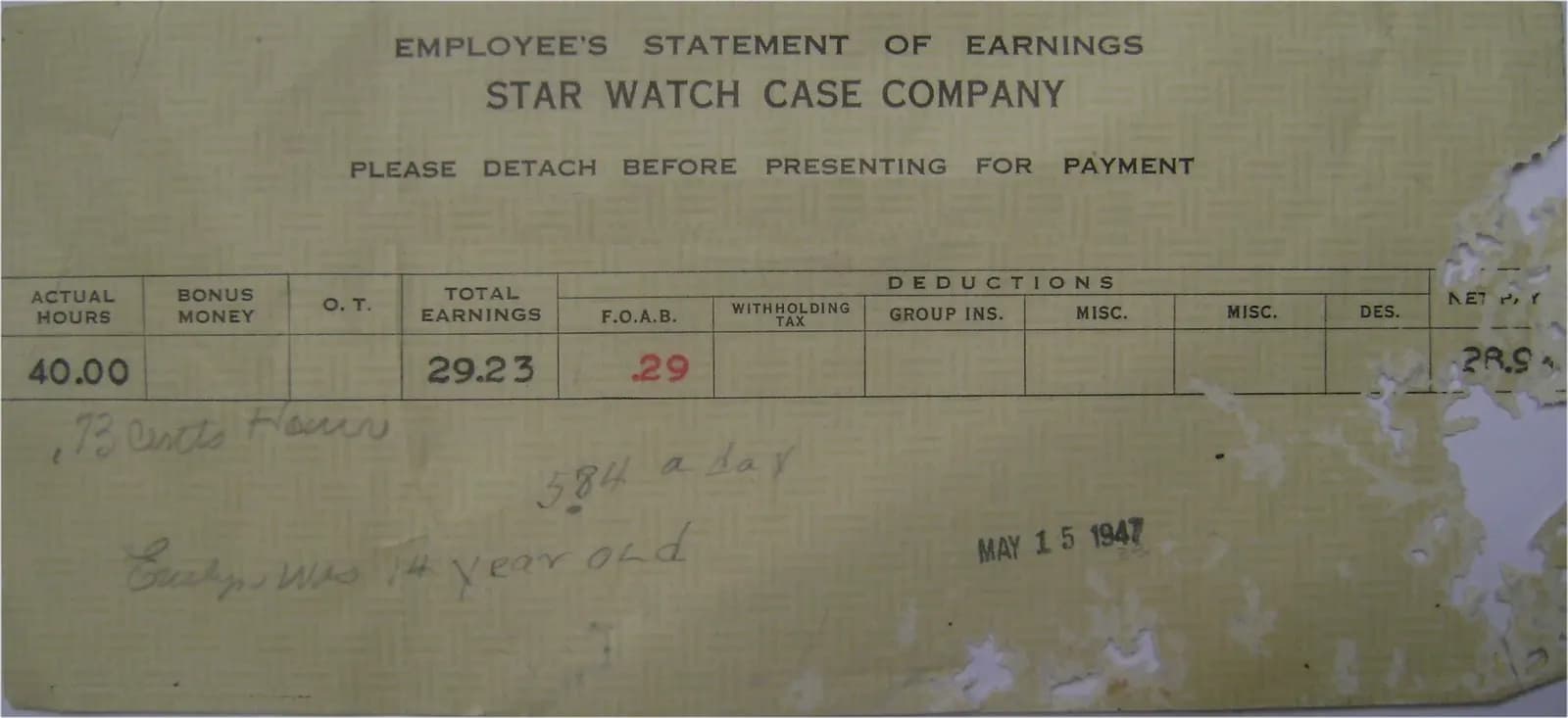
Most cash pay is subject to FICA: salaries, hourly wages, overtime, bonuses, commissions, vacation pay and most taxable fringe benefits, including the personal use of a company car. Some things are excluded, such as qualifying employer health insurance premiums and employee pre-tax contributions to a cafeteria plan. Employee 401(k) deferrals are excluded from income tax withholding but still subject to FICA. Bonuses paid separately from regular wages can be withheld for income tax at a flat 22% supplemental rate, but they still carry full FICA. Tips that employees report to you count as wages for FICA too.
FUTA: federal unemployment tax and credit-reduction states
FUTA is the one federal payroll tax most owners have never heard of until their first Form 940. The gross rate is 6.0% on the first $7,000 you pay each employee in a calendar year. You get a credit of up to 5.4% for state unemployment taxes you paid, which leaves a net rate of 0.6%, or $42 per employee per year.
That full credit isn't automatic. You only get it if you paid your state unemployment tax in full and on time, and if your state isn't a credit reduction state. A state becomes one when it borrowed from the federal government to pay unemployment benefits and still has a loan balance on November 10 after two consecutive January firsts with debt. Employers in that state lose part of the credit, so their FUTA bill goes up.
How the FUTA rate is built
Step 1
6.0% gross FUTA
Step 2
minus up to 5.4% state credit
Step 3
0.6% net
$42 per employee
Step 4
California 2025: 1.8%
credit cut by 1.2%
For 2025, the Labor Department confirmed two credit reductions: California at 1.2% and the U.S. Virgin Islands at 4.5%. Connecticut and New York were at risk but repaid their loans before the November 10 deadline. A California employer therefore paid FUTA at 1.8% instead of 0.6% for 2025, or $126 per employee instead of $42, with the extra due when the 2025 Form 940 was filed in early 2026.
For 2026, California and the Virgin Islands are again on the Labor Department's potential list. The reduction grows by 0.3 points each year a loan stays unpaid, so California is expected to face at least 1.5% unless it repays, and possibly more if a waiver of the extra "benefit cost rate" add-on isn't granted. The decision comes after November 10, 2026. If you have California employees, budget for the larger figure; the extra tax is owed with your fourth-quarter FUTA deposit or Form 940, not during the year.
FUTA is deposited quarterly but only once it builds up. If your FUTA liability for a quarter is $500 or less, you carry it into the next quarter. Once it's over $500, you deposit by the last day of the month after the quarter ends. With a few employees on $7,000 each, most small businesses make one FUTA deposit in April or July and pay the remainder with Form 940.
SUTA: state unemployment tax, with state examples
State unemployment insurance tax works like FUTA but with state-set numbers. Each state picks a taxable wage base, from the federal minimum of $7,000 to much higher figures in some states, and assigns each employer a rate. New employers get a standard new-employer rate. After a few years, your rate is "experience-rated": businesses whose former employees claim more unemployment benefits pay more.
State unemployment examples for a new employer (2026)
| State | New-employer rate | Taxable wage base | Notes |
|---|---|---|---|
California | 3.4% | $7,000 | Plus 0.1% Employment Training Tax; employees have 1.3% SDI withheld on all wages |
Florida | 2.7% | $7,000 | Liable once a quarter's payroll reaches $1,500 |
New York | 3.4% normal rate | Set yearly by NY DOL | Plus a subsidiary rate and 0.075% Re-employment Services Fund |
California
- New-employer rate
3.4%
- Taxable wage base
$7,000
- Notes
Plus 0.1% Employment Training Tax; employees have 1.3% SDI withheld on all wages
Florida
- New-employer rate
2.7%
- Taxable wage base
$7,000
- Notes
Liable once a quarter's payroll reaches $1,500
New York
- New-employer rate
3.4% normal rate
- Taxable wage base
Set yearly by NY DOL
- Notes
Plus a subsidiary rate and 0.075% Re-employment Services Fund
You register with your state workforce or revenue agency as soon as you become liable, which in most states means paying any wages at all. Florida, for example, makes you liable once you have a quarter with $1,500 or more in payroll, and expects registration by the end of the month after that quarter. Your rate notice arrives after registration, and it changes each January, so file it where your payroll provider can see it.
A few states also withhold a small employee share of unemployment tax, and your state agency's registration materials will tell you if yours does. Separately, states with disability or paid family leave programs withhold from employees as well; California's SDI at 1.3% of all wages is the largest example. These are withheld amounts, not employer costs, but they still have to be calculated and deposited correctly.
A worked payroll: one paycheck and one year
Here is a full-time employee on $52,000 a year, paid every two weeks ($2,000 gross per paycheck), single, with no state income tax and no pre-tax deductions. Federal income tax depends on the W-4 and Publication 15-T, so it's shown as an assumption.
| Line on the paycheck | Employee pays (withheld) | Employer pays |
|---|---|---|
| Gross pay | $2,000.00 | — |
| Social Security (6.2%) | $124.00 | $124.00 |
| Medicare (1.45%) | $29.00 | $29.00 |
| Federal income tax (assumed, from Pub 15-T) | about $160.00 | — |
| FUTA (0.6%, first $7,000 only) | — | $12.00 |
| SUTA (Florida 2.7%, first $7,000 only) | — | $54.00 |
| Net pay / employer tax cost | about $1,687.00 | $219.00 |
The FUTA and SUTA lines stop once this employee's year-to-date wages reach $7,000, which happens during the fourth paycheck. After that, your cost per paycheck drops to $153 of FICA.
Over a full year, the employer's payroll taxes for this employee in Florida come to:
- Social Security: $52,000 × 6.2% = $3,224
- Medicare: $52,000 × 1.45% = $754
- FUTA: $7,000 × 0.6% = $42
- Florida reemployment tax: $7,000 × 2.7% = $189
- Total: $4,209, or about 8.1% of wages
Move the same employee to California and the bill changes. Social Security and Medicare stay at $3,978, but FUTA was $126 at 2025's 1.8% net rate, UI is $7,000 × 3.4% = $238, and ETT adds $7. That's $4,349 before any 2026 credit-reduction increase. The employee in California also has $676 of SDI withheld over the year. Add workers' compensation insurance, which is priced per $100 of payroll by job class (see workers' compensation insurance), and any benefits, and the true cost of an employee is usually 10% to 30% above gross wages.
A high earner and the wage base
For a manager paid $250,000 in 2026, the numbers look different because of the wage cap and the extra Medicare tax:
- Social Security, each side: $184,500 × 6.2% = $11,439
- Medicare, each side: $250,000 × 1.45% = $3,625
- Additional Medicare, employee only: ($250,000 − $200,000) × 0.9% = $450
The employer pays $15,064 in FICA; the employee has $15,514 withheld. In the paycheck where the manager's year-to-date pay crosses $184,500, Social Security withholding stops mid-check on the excess, which payroll software handles automatically but a spreadsheet often gets wrong.
Make a pay stub that shows each deductionFree, no login: list gross pay, FICA, federal and state withholding and net pay for each pay period.
When and how to deposit payroll taxes
The IRS doesn't want withheld taxes to sit in your account until a quarterly return is due. You deposit them on a schedule set by the size of your past liability, not by how often you run payroll. Every federal deposit is made electronically, almost always through EFTPS, which you can enrol in as soon as you have an EIN.
Monthly schedule. You're a monthly depositor if the total taxes you reported on Form 941 during your lookback period, the four quarters ending June 30 of the prior year, were $50,000 or less. A brand-new employer has a lookback total of zero, so every new business starts monthly. Taxes on wages paid during a month are due by the 15th of the following month.
Semiweekly schedule. If your lookback total was more than $50,000, you deposit taxes on wages paid Wednesday, Thursday or Friday by the following Wednesday, and taxes on wages paid Saturday through Tuesday by the following Friday.
Next-day rule. Any day you accumulate $100,000 or more of tax, the deposit is due the next business day, and you become a semiweekly depositor for the rest of that year and the next.
Small-employer exceptions. If your Form 941 liability for the current or prior quarter is less than $2,500, you may pay with the return instead of depositing. Very small employers whose annual employment taxes will be $1,000 or less can ask the IRS to file one annual Form 944 instead of four Forms 941, but only after the IRS confirms in writing.
Which deposit schedule applies to you
| Monthly | Semiweekly | |
|---|---|---|
Who | Lookback total $50,000 or less, and every new employer | Lookback total over $50,000 |
Wages paid Wed–Fri | By the 15th of next month | Following Wednesday |
Wages paid Sat–Tue | By the 15th of next month | Following Friday |
$100,000+ in one day | Next business day, then semiweekly | Next business day |
Who
- Monthly
Lookback total $50,000 or less, and every new employer
- Semiweekly
Lookback total over $50,000
Wages paid Wed–Fri
- Monthly
By the 15th of next month
- Semiweekly
Following Wednesday
Wages paid Sat–Tue
- Monthly
By the 15th of next month
- Semiweekly
Following Friday
$100,000+ in one day
- Monthly
Next business day, then semiweekly
- Semiweekly
Next business day
Here is how the schedule works for a real small business. A café with five staff pays $90,000 of wages a quarter. Employee FICA withheld is $6,885, the employer match is another $6,885, and federal income tax withheld comes to around $7,000. That's about $20,770 a quarter on Form 941, or roughly $83,000 a year. In its first calendar year the café deposits monthly. Once a full lookback period shows more than $50,000, the IRS will tell it to switch to semiweekly deposits, which means a deposit within days of every payday.
Filing the returns
Deposits pay the tax; returns report it. Form 941 is due by the last day of the month after each quarter: April 30, July 31, October 31 and January 31. If a due date falls on a weekend or holiday, it moves to the next business day, and you get 10 extra days if you deposited everything on time. Form 940 reports FUTA once a year by January 31 (February 2 for the 2025 return, because January 31, 2026 fell on a Saturday). Forms W-2 go to employees and the Social Security Administration by January 31. States have their own quarterly wage reports and withholding returns, usually on a similar calendar. Keep all employment tax records for at least 4 years.
Penalties for late or missing payroll taxes
Late payroll tax deposits are among the most common penalties small businesses pay, and they add up fast. The failure-to-deposit penalty depends on how late the money arrives:
- 2% for deposits 1 to 5 days late
- 5% for deposits 6 to 15 days late
- 10% for deposits 16 or more days late, or for amounts paid directly to the IRS or with the return instead of deposited
- 15% for amounts still unpaid more than 10 days after the first IRS notice
On a $6,000 monthly deposit, being four days late costs $120; being ten days late costs $300; paying it with the quarterly return instead costs $600, plus interest in every case. The IRS can waive the penalty for reasonable cause, and it may also waive it for an inadvertent first-time miss in your first quarter of required deposits or the first time your deposit frequency changes, if you filed the return on time.
The bigger risk is the trust fund recovery penalty. Withheld income tax and the employee share of FICA are "trust fund" taxes: the money belongs to your employees and the government from the moment you withhold it. If a business uses that money to pay rent or suppliers and doesn't pay it over, the IRS can assess a penalty equal to 100% of the unpaid trust fund tax personally against anyone responsible who acted willfully: owners, officers, and even a bookkeeper with signing authority. An LLC or corporation doesn't shield you from it.
Common payroll tax mistakes and how to fix them
Payroll tax setup checklist
0/7Treating employees as contractors. If someone you pay on a 1099 is really an employee, you owe the payroll taxes you didn't withhold, at reduced but still painful rates. Fix it going forward, and consider the IRS Voluntary Classification Settlement Program covered in 1099 vs W-2.
Forgetting the wage base in January. Payroll software updates automatically, but owners using spreadsheets often keep last year's wage base or forget that the FUTA and SUTA wage bases restart on January 1 for every employee.
Paying state unemployment late. A late SUTA payment can cost you part of the 5.4% FUTA credit, turning a $42 FUTA bill into hundreds of dollars per employee. Pay the state on time even when cash is tight.
Mixing up deposits and returns. Filing Form 941 doesn't pay the tax; depositing does. If you discover an error on a filed Form 941, correct it on Form 941-X rather than adjusting the next quarter's return.
Paying owners "off payroll." S corporation owners who take only distributions invite reclassification of those distributions as wages, with back FICA, penalties and interest.
Missing the new-hire report. Not a tax, but it rides with payroll: states require you to report each new employee within 20 days or less. See how to hire your first employee for the full hiring checklist.
Official links
- IRS — Publication 15 (Circular E), Employer's Tax GuideRates, wage base, deposit rules, penalties
- IRS — Publication 15-T, Federal Income Tax Withholding MethodsWithholding tables for Form W-4
- EFTPS — Electronic Federal Tax Payment SystemMake federal payroll tax deposits
- IRS — About Form 941Quarterly federal tax return
- IRS — About Form 940Annual FUTA return and Schedule A
- DOL — FUTA credit reductionsCurrent and potential credit-reduction states
- California EDD — Rates and withholdingUI, ETT and SDI rates
- Florida DOR — Reemployment taxRegistration and rates
What to do next
Before your first payday, get your EIN, enrol in EFTPS, register for state withholding and unemployment, and put the 15th of each month in your calendar. Then run a test paycheck through a payroll provider or the salary slip generator and check every line against the rates above. If you're still deciding whether to hire at all, compare the true cost of an employee with a contractor's rate using the hourly rate calculator, and check the wage floor in your state on our minimum wage by state page.
This is general information, not legal or tax advice — confirm on the official source or with a professional.
Frequently asked questions
At the federal level the employer pays 6.2% Social Security (up to $184,500 of each employee's wages) plus 1.45% Medicare, and usually 0.6% FUTA on the first $7,000. State unemployment adds a percentage of a state wage base. For a typical $52,000 employee, that comes to roughly 8% of wages before workers' comp and benefits.
The employer matches the employee's 7.65% FICA, so each side pays 7.65% and the combined rate is 15.3%. Only the employer pays FUTA and, in most states, state unemployment tax. Federal income tax and the 0.9% Additional Medicare Tax come entirely out of the employee's pay; the employer only withholds and deposits them.
For 2026 the Social Security wage base is $184,500. Once an employee's wages for the year reach that figure, you stop withholding the 6.2% employee share and stop paying the matching employer share. Medicare has no wage cap, and you must start withholding the extra 0.9% once an employee's wages pass $200,000.
New employers are monthly depositors: withheld income tax and both shares of FICA for a month are due by the 15th of the next month, paid through EFTPS. If your total employment taxes in the lookback period exceed $50,000, you switch to the semiweekly schedule. Any day you accumulate $100,000 or more, the tax is due the next business day.
For 2025, California employers lost 1.2% of the FUTA credit and U.S. Virgin Islands employers lost 4.5%, because those jurisdictions still owed federal unemployment loans on November 10, 2025. The extra tax was due with Form 940 in early 2026. California and the Virgin Islands are again on the Labor Department's potential list for 2026; the final answer comes after November 10, 2026.
Late deposits draw a penalty of 2% to 15% of the unpaid amount depending on how late they are, plus interest. If withheld income tax and employee FICA are never paid over, the IRS can assess the trust fund recovery penalty of 100% of the unpaid amount personally against owners and anyone else responsible for paying it.
Sources & verification
Figures on this page were checked against the sources below when it was last reviewed on 9 October 2026. Each rate and limit is stored once with its own official source and review date, and official update channels are monitored daily so changes are picked up. How we verify
- 1.Publication 15 (2026), (Circular E), Employer's Tax Guide — Internal Revenue Service · accessed 9 October 2026
- 2.Notice of the Federal Unemployment Tax Act (FUTA) Credit Reductions Applicable for 2025 (FR Doc. 2026-00342) — U.S. Department of Labor, Employment and Training Administration (Federal Register) · accessed 9 October 2026
- 3.FUTA Credit Reductions — U.S. Department of Labor · accessed 9 October 2026
- 4.Rates and Withholding — California Employment Development Department · accessed 9 October 2026
- 5.Reemployment Tax — Florida Department of Revenue · accessed 9 October 2026
- 6.Unemployment Insurance Rate Information — New York State Department of Labor · accessed 9 October 2026
- 7.California and Virgin Islands may face credit reduction for 2026 — American Payroll Association (payroll.org) · accessed 9 October 2026
MSMETOOLS is an independent platform and is not affiliated with any government agency, ministry or department.
Tools for this
Salary Slip Generator
Create professional salary slips in seconds.
Federal Tax Calculator (US)
Estimate federal income tax for individuals and businesses.
Freelance Hourly Rate Calculator
Work out the hourly rate you need to charge.
Related guides
 FUTA Tax (2026): Rate, Credit Reduction States & Form 940Read guide
 SUTA Tax (2026): State Wage Bases, New Employer RatesRead guide
 Workers' Compensation Insurance (2026): Rules, Rates, CostsRead guide
 How to Hire Your First Employee (2026): 10-Step ChecklistRead guide
Official links open the government site in a new tab.