 HR, payroll & labor
Minimum Wage per Hour in the USA: Federal, State-by-State and Local Rates
Minimum wages per hour in the USA for 2026: federal $7.25, every state's current rate and effective date, tipped wages, local rates and 2027 increases.
 Edited by Sumeet YadavFounder & editor, MSMETOOLS · fact-checked against official sources
Contents (10)
- 1. The federal minimum wage
- 2. Minimum wage by state: current rates and effective dates
- 3. Scheduled 2027 increases
- 4. Tipped minimum wages explained
- 5. Local minimum wages: Seattle, Denver and other cities
- 6. How to tell which rate applies to your employees
- 7. Worked payroll examples
- 8. Compliance steps when the minimum wage changes
- 9. Common minimum wage mistakes
- 10. What to do next
If you employ people in the United States, the minimum wage you owe depends on three layers of law: federal, state and sometimes city or county. This guide is for small business owners, payroll managers and workers who want the current hourly figures in one place. It covers the federal minimum wage, every state's rate as of October 9, 2026 with the date it took effect, tipped cash wages, examples of higher local rates, the increases already scheduled for 2027, and worked payroll examples showing how the rules play out on a real paycheck.
Quick answer
The federal minimum wage is $7.25 an hour, unchanged since July 24, 2009. Thirty states and DC set higher rates, from $8.75 in West Virginia to $17.13 in Washington and $18.40 in DC. Employers must pay the highest of the federal, state and local rates that apply where the work is done.
20 states effectively use $7.25 — five have no state minimum wage law at all
Federal tipped cash wage: $2.13 an hour; seven states allow no tip credit
Florida reached $15.00 on September 30, 2026
Confirmed for Jan 1, 2027: California $17.40, Washington $17.73, Michigan $15.00 and more
Cities can go higher: Seattle $21.30, Denver $19.29 in 2026
The federal minimum wage
The Fair Labor Standards Act (FLSA) sets the federal minimum wage at $7.25 an hour. Congress last raised it on July 24, 2009, which makes the current rate the longest stretch without an increase since the federal minimum wage began in 1938. The U.S. Department of Labor's Wage and Hour Division (WHD) enforces it.
The federal rate is a floor, not a target. Most US workers now live in a state or city with a higher minimum, and when federal, state and local rules differ, the employee is entitled to the highest rate that applies. The federal rate still matters in the 20 states that don't go above it, and it sets the baseline for tipped workers, overtime and recordkeeping across the country.
For tipped employees, an employer covered by the FLSA can pay a cash wage as low as $2.13 an hour and take a tip credit of up to $5.12 an hour, provided the worker customarily and regularly receives more than $30 a month in tips and the cash wage plus tips reaches at least $7.25 an hour for every hour worked. If tips fall short in a workweek, the employer must make up the difference. Many states set a higher tipped cash wage or ban the tip credit entirely, as the table below shows.
US minimum wage at a glance (October 2026)
$7.25 an hour
Federal minimum wage
since July 24, 2009
$2.13 an hour
Federal tipped cash wage
max tip credit $5.12 an hour
30 + DC
States above $7.25
$18.40
Highest statewide-level rate
District of Columbia
Minimum wage by state: current rates and effective dates
The table lists each state's basic minimum wage as of October 9, 2026, the date that rate took effect, the minimum cash wage for tipped employees, and the next change scheduled in law or already announced by the state. Rates come from the Department of Labor's consolidated state table (effective July 1, 2026) and state labor departments; Florida's figures reflect its September 30, 2026 increase. Where a state has tiers, such as New York's downstate rate or Ohio's small-employer rate, the main rate is shown first.
| State | Minimum wage | In effect since | Tipped cash wage | Next scheduled change |
|---|---|---|---|---|
| Alabama | No state law — federal $7.25 applies | — | $2.13 | None (federal rate) |
| Alaska | $14.00 an hour | Jul 1, 2026 | $14.00 (no tip credit) | $15.00 on July 1, 2027 |
| Arizona | $15.15 | Jan 1, 2026 | $12.15 | Inflation adjustment Jan 1, 2027 (confirm rate) |
| Arkansas | $11.00 | Jan 1, 2021 | $2.63 | None scheduled |
| California | $16.90 an hour | Jan 1, 2026 | $16.90 (no tip credit) | $17.40 on Jan 1, 2027 |
| Colorado | $15.16 an hour | Jan 1, 2026 | $12.14 | $15.71 ($12.69 tipped) on Jan 1, 2027 |
| Connecticut | $16.94 | Jan 1, 2026 | $10.56 (restaurant/hotel) | $17.48 on Jan 1, 2027 |
| Delaware | $15.00 | Jan 1, 2025 | $2.23 | None scheduled |
| District of Columbia | $18.40 | Jul 1, 2026 | $10.30 | Inflation adjustment July 1, 2027 |
| Florida | $15.00 | Sep 30, 2026 | $11.98 | Inflation-indexed; next change Jan 1, 2028 |
| Georgia | $5.15 (federal $7.25 applies to FLSA-covered employers) | — | $2.13 | None (federal rate) |
| Hawaii | $16.00 | Jan 1, 2026 | $14.75 | $18.00 on Jan 1, 2028 |
| Idaho | $7.25 | July 24, 2009 (federal) | $3.35 | None (federal rate) |
| Illinois | $15.00 | Jan 1, 2025 | $9.00 | None scheduled |
| Indiana | $7.25 | July 24, 2009 (federal) | $2.13 | None (federal rate) |
| Iowa | $7.25 | July 24, 2009 (federal) | $4.35 | None (federal rate) |
| Kansas | $7.25 | July 24, 2009 (federal) | $2.13 | None (federal rate) |
| Kentucky | $7.25 | July 24, 2009 (federal) | $2.13 | None (federal rate) |
| Louisiana | No state law — federal $7.25 applies | — | $2.13 | None (federal rate) |
| Maine | $15.10 | Jan 1, 2026 | $7.55 | $15.70 ($7.85 tipped) on Jan 1, 2027 |
| Maryland | $15.00 | Jan 1, 2024 | $3.63 | None scheduled |
| Massachusetts | $15.00 | Jan 1, 2023 | $6.75 | None scheduled |
| Michigan | $13.73 | Jan 1, 2026 | $5.49 | $15.00 on Jan 1, 2027 |
| Minnesota | $11.41 | Jan 1, 2026 | $11.41 (no tip credit) | $11.87 on Jan 1, 2027 |
| Mississippi | No state law — federal $7.25 applies | — | $2.13 | None (federal rate) |
| Missouri | $15.00 | Jan 1, 2026 | $7.50 | None scheduled (indexing repealed 2025) |
| Montana | $10.85 | Jan 1, 2026 | $10.85 (no tip credit) | Inflation adjustment Jan 1, 2027 (confirm rate) |
| Nebraska | $15.00 | Jan 1, 2026 | $2.13 | Jan 1, 2027 increase under 2026 law (confirm rate) |
| Nevada | $12.00 an hour | Jul 1, 2024 | $12.00 (no tip credit) | None scheduled |
| New Hampshire | $7.25 | July 24, 2009 (federal) | $3.27 | None (federal rate) |
| New Jersey | $15.92 ($15.23 for employers with fewer than 6 employees and seasonal) | Jan 1, 2026 | $6.05 | $16.48 ($6.61 tipped) on Jan 1, 2027 |
| New Mexico | $12.00 | Jan 1, 2023 | $3.00 | None scheduled |
| New York | $17.00 NYC, Long Island & Westchester; $16.00 rest of state | Jan 1, 2026 | Varies by region and industry | 2027 indexing pending — check NY DOL |
| North Carolina | $7.25 | July 24, 2009 (federal) | $2.13 | None (federal rate) |
| North Dakota | $7.25 | July 24, 2009 (federal) | $4.86 | None (federal rate) |
| Ohio | $11.00 (gross receipts $405,000+); $7.25 smaller employers | Jan 1, 2026 | $5.50 | Inflation adjustment Jan 1, 2027 (confirm rate) |
| Oklahoma | $7.25 (most employers); $2.00 for small non-covered employers | July 24, 2009 (federal) | $2.13 | None (federal rate) |
| Oregon | $15.55 standard; $16.80 Portland metro; $14.55 nonurban | Jul 1, 2026 | Same as minimum (no tip credit) | Inflation adjustment July 1, 2027 |
| Pennsylvania | $7.25 | July 24, 2009 (federal) | $2.83 | None (federal rate) |
| Rhode Island | $16.00 | Jan 1, 2026 | $3.89 | $17.00 on Jan 1, 2027 |
| South Carolina | No state law — federal $7.25 applies | — | $2.13 | None (federal rate) |
| South Dakota | $11.85 | Jan 1, 2026 | $5.93 | Inflation adjustment Jan 1, 2027 (confirm rate) |
| Tennessee | No state law — federal $7.25 applies | — | $2.13 | None (federal rate) |
| Texas | $7.25 | July 24, 2009 (federal) | $2.13 | None (federal rate) |
| Utah | $7.25 | July 24, 2009 (federal) | $2.13 | None (federal rate) |
| Vermont | $14.42 | Jan 1, 2026 | $7.21 | Inflation adjustment Jan 1, 2027 (confirm rate) |
| Virginia | $12.77 | Jan 1, 2026 | $2.13 | $13.75 on Jan 1, 2027 |
| Washington | $17.13 | Jan 1, 2026 | $17.13 (no tip credit) | $17.73 on Jan 1, 2027 |
| West Virginia | $8.75 | Dec 31, 2015 | $2.62 | None scheduled |
| Wisconsin | $7.25 | July 24, 2009 (federal) | $2.33 | None (federal rate) |
| Wyoming | $5.15 (federal $7.25 applies to FLSA-covered employers) | — | $2.13 | None (federal rate) |
A few tiers deserve a closer look. New Jersey charges $15.92 ($15.23 for employers with fewer than 6 employees and seasonal). Ohio's higher rate applies to employers with annual gross receipts of $405,000 or more in 2026. Oregon has three regional rates, with the highest in the Portland metro area. Montana businesses not covered by the FLSA with gross annual sales of $110,000 or less may pay $4.00. Oklahoma's $7.25 applies to employers with 10 or more full-time employees at one location or sales above $100,000. Georgia and Wyoming have $5.15 state rates, and Alabama, Louisiana, Mississippi, South Carolina and Tennessee have no state minimum wage law at all; in those seven states, any employer covered by the FLSA must pay the federal $7.25 an hour.
What changed in 2026
Most state increases took effect on January 1, 2026, when inflation-indexed states such as California, Washington, Arizona, Colorado, Maine, Minnesota, Montana, Ohio, South Dakota, Vermont and Virginia adjusted their rates, and states with fixed schedules took their next step. Missouri and Nebraska both reached $15.00 on that date, Hawaii moved to $16.00, Rhode Island to $16.00 and Michigan to $13.73.
Several changes came mid-year. Alaska rose to $14.00 an hour on July 1, 2026 under the schedule voters approved in Ballot Measure 1 in 2024. The District of Columbia and Oregon made their annual inflation adjustments on July 1. Florida took the final step of the 2020 constitutional amendment on September 30, 2026, moving from $14.00 to $15.00 an hour and raising the tipped cash wage to $11.98. FloridaCommerce says the $15.00 rate runs through December 31, 2027, after which the rate is adjusted annually for inflation.
Minimum wage changes in 2026
Jan 1, 2026
Annual adjustments in CA, WA, AZ, CO, CT, ME, MN, MT, NJ, NY, OH, SD, VT, VA; MO and NE reach $15.00; HI and RI $16.00; MI $13.73
July 1, 2026
Alaska rises to $14.00 an hour; DC to $18.40; Oregon's three regional rates adjust
Sept 30, 2026
Florida reaches $15.00 ($11.98 tipped)
Jan 1, 2027
Next round — see the confirmed 2027 rates below
Scheduled 2027 increases
By early October each year, many states have announced their January 1 rates. The table shows the 2027 rates that state agencies or state law had confirmed on October 9, 2026. Rates for other inflation-indexed states, including Arizona, Ohio, Montana, South Dakota, Vermont, New York and Nebraska, were not yet confirmed on official state pages when we checked; their labor departments publish the new figures in the fall, so check before you run your first January payroll.
Confirmed minimum wage increases for 2027
| State | Current rate | New rate | Effective |
|---|---|---|---|
California | $16.90 an hour | $17.40 | Jan 1, 2027 |
Washington | $17.13 | $17.73 | Jan 1, 2027 |
Connecticut | $16.94 | $17.48 | Jan 1, 2027 |
Rhode Island | $16.00 | $17.00 | Jan 1, 2027 |
New Jersey | $15.92 | $16.48 ($6.61 tipped) | Jan 1, 2027 |
Colorado | $15.16 an hour | $15.71 ($12.69 tipped) | Jan 1, 2027 |
Maine | $15.10 | $15.70 ($7.85 tipped) | Jan 1, 2027 |
Michigan | $13.73 | $15.00 | Jan 1, 2027 |
Virginia | $12.77 | $13.75 | Jan 1, 2027 |
Minnesota | $11.41 | $11.87 | Jan 1, 2027 |
Alaska | $14.00 an hour | $15.00 | July 1, 2027 |
California
- Current rate
$16.90 an hour
- New rate
$17.40
- Effective
Jan 1, 2027
Washington
- Current rate
$17.13
- New rate
$17.73
- Effective
Jan 1, 2027
Connecticut
- Current rate
$16.94
- New rate
$17.48
- Effective
Jan 1, 2027
Rhode Island
- Current rate
$16.00
- New rate
$17.00
- Effective
Jan 1, 2027
New Jersey
- Current rate
$15.92
- New rate
$16.48 ($6.61 tipped)
- Effective
Jan 1, 2027
Colorado
- Current rate
$15.16 an hour
- New rate
$15.71 ($12.69 tipped)
- Effective
Jan 1, 2027
Maine
- Current rate
$15.10
- New rate
$15.70 ($7.85 tipped)
- Effective
Jan 1, 2027
Michigan
- Current rate
$13.73
- New rate
$15.00
- Effective
Jan 1, 2027
Virginia
- Current rate
$12.77
- New rate
$13.75
- Effective
Jan 1, 2027
Minnesota
- Current rate
$11.41
- New rate
$11.87
- Effective
Jan 1, 2027
Alaska
- Current rate
$14.00 an hour
- New rate
$15.00
- Effective
July 1, 2027
Some of these increases are the end of multi-year plans. Michigan's step to $15.00 completes the schedule set after its 2024 court ruling and 2025 legislation. Virginia's governor signed bills in April 2026 that set $13.75 for January 1, 2027 and $15.00 for January 1, 2028. Rhode Island's $17.00 is written into its statute, and Alaska's $15.00 on July 1, 2027 is the last fixed step of Ballot Measure 1. Hawaii's next step, to $18.00, is due on January 1, 2028. Some states have no increase planned: Delaware has no indexing clause, and Missouri's legislature repealed the automatic inflation increases that Proposition A had scheduled from 2027.
The federal rate is not scheduled to change. Bills to raise it are introduced in most sessions of Congress, but none has passed since 2007.

Tipped minimum wages explained
A tipped employee is someone who customarily and regularly receives more than $30 a month in tips, such as servers, bartenders, bussers and some delivery drivers. Under federal law the employer can count part of those tips toward the minimum wage, which is called the tip credit. The employer pays a lower cash wage, and tips fill the gap up to the full minimum.
States take very different approaches. Seven states (Alaska, California, Minnesota, Montana for larger businesses, Nevada, Oregon and Washington) don't allow a tip credit at all, so a server in Seattle or Los Angeles earns the full minimum wage before tips. Others allow a credit but set a higher cash wage than the federal $2.13 an hour: Florida's cash wage is $11.98 because its tip credit is fixed at $3.02, Arizona's is $12.15 and Colorado's is $12.14. A large group, including Texas, Georgia, Virginia, Nebraska and Delaware, still lets employers pay close to the federal tipped minimum.
Whatever the state, the employer carries the risk. Tip credits come with conditions: you must tell employees about the tip credit in advance, let them keep all their tips except through a valid tip pool, and top up their pay in any week where cash wage plus tips falls below the full minimum. Tips must be tracked accurately, and overtime is calculated on the full minimum wage, not the tipped cash wage.
On the employee side, the federal "no tax on tips" deduction lets qualifying workers deduct up to $25,000 of tips from taxable income for 2025 through 2028, phasing out above $150,000 ($300,000 for joint filers) of modified adjusted gross income. It changes income tax, not the minimum wage or the employer's payroll tax obligations, so payroll still withholds Social Security and Medicare on reported tips.
Local minimum wages: Seattle, Denver and other cities
Many states allow cities or counties to set their own higher minimum wages, and many large cities have done so. Employers must pay the local rate for work performed inside the city limits, even if the business is headquartered elsewhere.
Seattle has the highest big-city rate among the examples here: $21.30 in 2026 and $22.14 from January 1, 2027. Since January 1, 2025, Seattle applies the same rate to employers of all sizes, and small employers can no longer count tips or medical benefit payments toward it. Denver pays $19.29 in 2026, rising to $19.84 in 2027, and allows a $3.02 tip credit only for food and beverage workers. Colorado's labor department notes that other Colorado cities with their own ordinances will announce 2027 rates separately.
Some states build regional rates into state law instead. Oregon's Portland metro rate is $16.80 and its nonurban counties pay $14.55, while New York charges $17.00 in New York City, Long Island and Westchester and $16.00 elsewhere. California, Illinois, Maryland, Minnesota, New Mexico and Washington have cities or counties with their own higher rates, so check your city's labor standards office if you operate in a major metro area.
Which minimum wage do you pay?
Step 1
Federal: $7.25 an hour
Step 2
State rate (if higher)
Step 3
City or county rate (if higher)
Step 4
Pay the highest
based on where the work is performed
How to tell which rate applies to your employees
Start with location. Minimum wage law generally follows where the employee physically works, not where your company is registered or where payroll is processed. A remote employee who works from home in Denver is owed Denver's rate; one who works in Colorado Springs is owed the state rate unless that city has its own ordinance. If an employee works in several places in the same week, some cities require you to pay their rate for the hours worked there, so track hours by location.
Next, check size and revenue tiers. New Jersey has a lower rate for employers with fewer than six employees and for seasonal workers, Ohio's state rate applies only above a gross receipts threshold, Montana and Oklahoma have small-business carve-outs for employers not covered by the FLSA, and several states such as Arkansas, Illinois, Nebraska and West Virginia apply their state minimum wage only to employers above a minimum headcount. But remember the federal floor: if your business is covered by the FLSA, you owe at least $7.25 an hour even where a state tier is lower.
Finally, check the worker's category. Many states have separate rules for minors, students, trainees, agricultural workers and people with disabilities, and some industries have their own minimums, such as California's fast food and health care wage schedules. Independent contractors aren't covered by minimum wage law at all, but misclassifying an employee as a contractor is one of the most common and expensive wage violations; our 1099 vs W-2 guide explains the tests.
Worked payroll examples
A tipped server in Orlando with overtime
Maria waits tables at a restaurant in Orlando. In the week starting October 12, 2026 she works 42 hours and reports $110 in tips. Florida's minimum wage is $15.00, the tipped cash wage is $11.98 and the tip credit is $3.02.
For the first 40 hours, her cash wage is 40 × $11.98 = $479.20. Overtime for a tipped employee is calculated on the full minimum wage: 1.5 × $15.00 = $22.50 an hour, minus the same $3.02 tip credit, so the cash overtime rate is $19.48. Two overtime hours add $38.96, for cash wages of $518.16.
Now check the tip credit. The employer has claimed $3.02 × 42 = $126.84 of credit, but Maria only received $110 in tips. The employer must make up the $16.84 shortfall, so her gross pay from the employer is $535.00. Her total for the week, $535.00 in wages plus $110 in tips, equals $645.00, exactly what 40 hours at $15.00 and 2 hours at $22.50 would pay. Our overtime guide covers the regular-rate rules in more detail.
Budgeting for a January raise in Denver
A Denver coffee shop has four baristas on the city minimum wage, each working about 30 hours a week (1,560 hours a year, 6,240 hours in total). When Denver's rate rises from $19.29 to $19.84 on January 1, 2027, wages go up by $0.55 × 6,240 = $3,432 for the year. Adding the employer's 7.65% share of Social Security and Medicare brings the cost to about $3,695, before any change to unemployment insurance or workers' compensation premiums that are based on payroll.
A Michigan retailer facing the $15 step
A Michigan store employs ten part-time associates at the 2026 minimum of $13.73, averaging 25 hours a week each. Michigan's rate rises to $15.00 on January 1, 2027, an increase of $1.27 an hour. Across 250 weekly hours, that's $317.50 a week or $16,510 a year, and about $17,773 with the employer's payroll taxes. Staff earning just above the minimum may expect raises too, to keep pay differences between roles, so many employers budget for those adjustments at the same time.
Compliance steps when the minimum wage changes
Rate changes are predictable, so build them into your calendar. Most happen on January 1, with mid-year changes on July 1 in places such as Alaska, Oregon and DC, and Florida's historically on September 30. Inflation-indexed states usually announce the new figure between August and October.
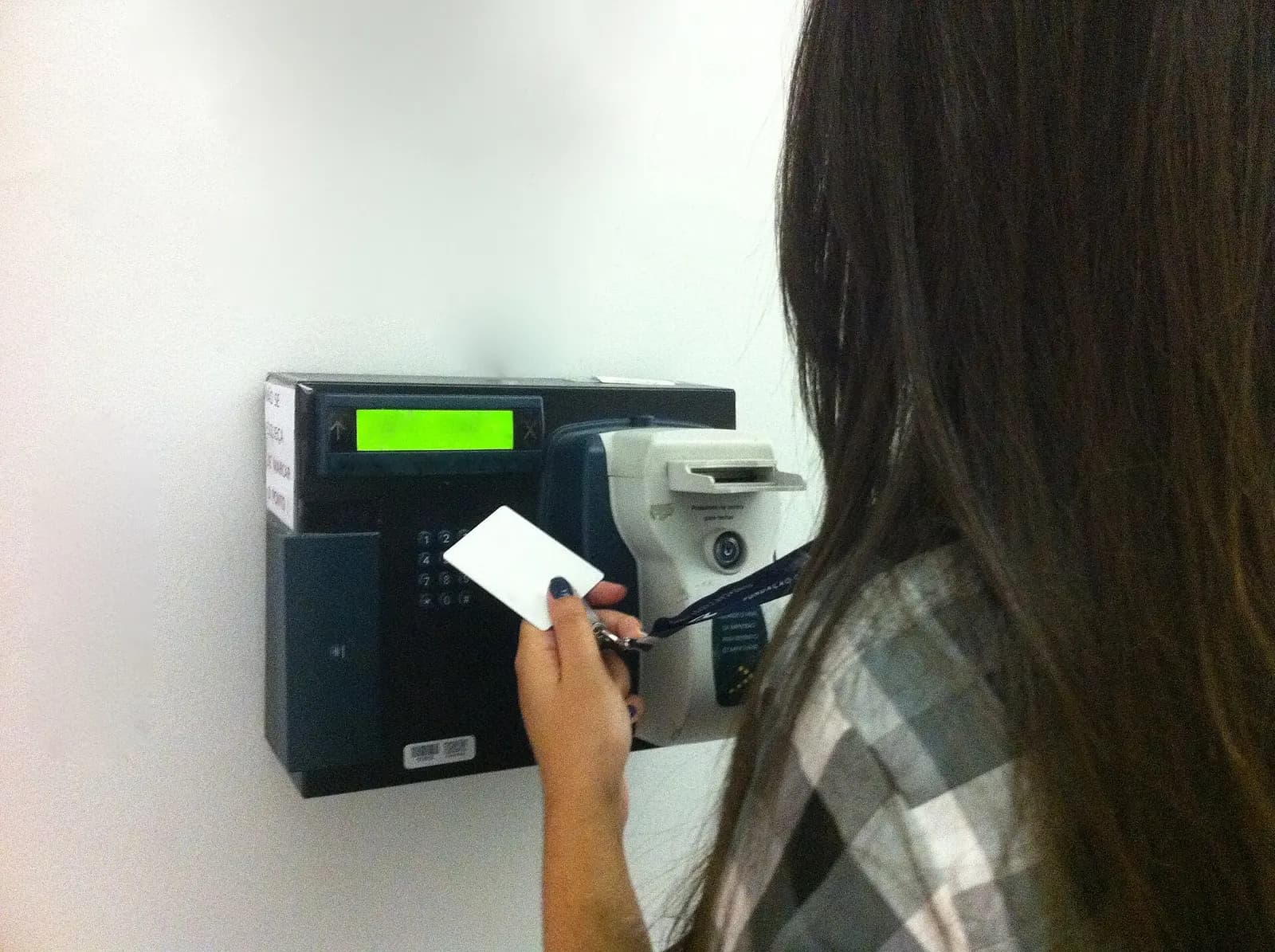
Update your payroll system before the first pay period that includes the effective date, not the first pay date after it. If a pay period straddles January 1, hours worked on or after January 1 are owed at the new rate. Check every pay rate tied to the minimum: tipped cash wages, training rates, piece rates and salaried employees whose weekly pay must still exceed state exemption thresholds, such as California's, which is pegged to twice the state minimum wage.
Post the required notices. The federal FLSA poster is mandatory for covered employers, and most states require their own minimum wage poster; Florida, for example, requires employers to display its annual notice in a conspicuous place, and some states, such as Minnesota, require written notice to employees before a pay change takes effect. Keep time and pay records for at least three years under federal rules, longer where your state requires it.
Before the next minimum wage change
0/8Common minimum wage mistakes
Paying the state rate in a city with its own minimum. Employers in Seattle, Denver and other cities with local ordinances are often caught paying the lower state rate. The highest applicable rate always wins.
Missing a mid-year change. Alaska, DC, Oregon and, until this year, Florida change rates outside January. Set reminders for the specific dates in each place you employ people.
Taking a tip credit where it isn't allowed. In California, Washington, Oregon, Nevada, Minnesota, Alaska and Montana, tipped employees must get the full minimum wage before tips.
Calculating tipped overtime on the cash wage. Overtime is 1.5 times the full minimum wage, minus the tip credit, not 1.5 times the tipped cash wage.
Unpaid off-the-clock time. Opening and closing duties, mandatory meetings, training and security screenings are generally work time. If unpaid time pushes an employee's average below the minimum for the week, you owe back wages.
Deductions that cut below the minimum. Charges for uniforms, cash register shortages or equipment can't bring pay below the minimum wage under federal rules, and many states are stricter.
Official sources
- US DOL — Consolidated state minimum wage tableAll states, updated July 1, 2026
- US DOL — Minimum wages for tipped employeesCash wage and tip credit by state
- US DOL — Federal minimum wageFLSA rules and posters
- FloridaCommerce — Florida minimum wage$15.00 from Sept 30, 2026
- California DIR — 2027 minimum wage$17.40 from Jan 1, 2027
- Washington L&I — Minimum wage2026 and 2027 rates
- Seattle Office of Labor StandardsLocal rates
What to do next
Find your state and city in the table, confirm the figure on the linked state page, and set a reminder for the next change. Then run your numbers: the hourly rate calculator shows what a new minimum does to your labor cost per hour, and the salary slip generator produces pay stubs that show rates and hours clearly. If you have tipped staff working long weeks, read our overtime guide before the next payroll.
This is general information, not legal or tax advice — confirm on the official source or with a professional.
Frequently asked questions
The federal minimum wage is $7.25 an hour, unchanged since July 24, 2009. For tipped employees, employers covered by the FLSA can pay a cash wage of $2.13 an hour and take a tip credit of up to $5.12, as long as tips bring the worker to at least $7.25. Where a state or city sets a higher rate, employers must pay the higher one.
Among states, Washington has the highest standard rate at $17.13 an hour in 2026, rising to $17.73 on January 1, 2027. The District of Columbia is higher still at $18.40 from July 1, 2026. Some cities go further: Seattle's minimum wage is $21.30 in 2026 and Denver's is $19.29.
Twenty states effectively use $7.25 for most employers: Idaho, Indiana, Iowa, Kansas, Kentucky, New Hampshire, North Carolina, North Dakota, Oklahoma, Pennsylvania, Texas, Utah and Wisconsin set $7.25 in state law; Alabama, Louisiana, Mississippi, South Carolina and Tennessee have no state minimum wage law; and Georgia and Wyoming have $5.15 state rates, so the federal rate applies to FLSA-covered employers.
Several states have already set their January 1, 2027 rates: California $17.40, Washington $17.73, Connecticut $17.48, New Jersey $16.48, Colorado $15.71, Maine $15.70, Michigan $15.00, Rhode Island $17.00, Virginia $13.75 and Minnesota $11.87. Alaska reaches $15.00 on July 1, 2027. Other inflation-indexed states announce in the fall, so check your state labor department.
It's the lowest cash wage an employer can pay a tipped worker before counting tips. Federally it's $2.13 an hour, but many states set more. Seven states, including California, Washington, Oregon, Nevada, Minnesota, Montana and Alaska, don't allow a tip credit at all, so tipped staff get the full minimum wage before tips. Florida's tipped cash wage is $11.98.
Yes. When federal, state and local minimum wages differ, the employee is entitled to the highest one that applies to the place where the work is performed. A café in Denver must pay Denver's $19.29 in 2026, not Colorado's $15.16, and a Seattle employer pays $21.30 rather than Washington's $17.13.
Sources & verification
Figures on this page were checked against the sources below when it was last reviewed on 9 October 2026. Each rate and limit is stored once with its own official source and review date, and official update channels are monitored daily so changes are picked up. How we verify
- 1.Consolidated State Minimum Wage Table (effective July 1, 2026) — U.S. Department of Labor, Wage and Hour Division · accessed 9 October 2026
- 2.State Minimum Wage Laws — U.S. Department of Labor, Wage and Hour Division · accessed 9 October 2026
- 3.Minimum Wages for Tipped Employees (July 1, 2026) — U.S. Department of Labor, Wage and Hour Division · accessed 9 October 2026
- 4.Florida Minimum Wage — 2026 announcement and poster — FloridaCommerce · accessed 9 October 2026
- 5.ICYMI: California's minimum wage set to increase to $17.40 per hour on January 1, 2027 — California Department of Industrial Relations · accessed 9 October 2026
- 6.Minimum wage — Washington Department of Labor & Industries · accessed 9 October 2026
- 7.Colorado minimum wage will increase to $15.71/hour in 2027 — Colorado Department of Labor and Employment · accessed 9 October 2026
- 8.Minimum-wage rate adjusted for inflation as of Jan. 1, 2027 — Minnesota Department of Labor and Industry · accessed 9 October 2026
- 9.Governor Lamont announces Connecticut's minimum wage will increase to $17.48 — Office of the Governor of Connecticut · accessed 9 October 2026
- 10.Maine's minimum wage to increase to $15.70 per hour — Maine Department of Labor · accessed 9 October 2026
- 11.Wage and hour worker FAQs — New Jersey Department of Labor and Workforce Development · accessed 9 October 2026
- 12.Governor Spanberger signs bills to raise state minimum wage — Office of the Governor of Virginia · accessed 9 October 2026
- 13.R.I. Gen. Laws § 28-12-3 — Minimum wages — State of Rhode Island General Assembly · accessed 9 October 2026
- 14.Alaska minimum wage news release (June 2025) — Alaska Department of Labor and Workforce Development · accessed 9 October 2026
- 15.Minimum wage ordinance — Seattle Office of Labor Standards · accessed 9 October 2026
- 16.Denver local minimum wage adjusts to $19.29 per hour for 2026 — City and County of Denver · accessed 9 October 2026
MSMETOOLS is an independent platform and is not affiliated with any government agency, ministry or department.
Tools for this
Salary Slip Generator
Create professional salary slips in seconds.
Freelance Hourly Rate Calculator
Work out the hourly rate you need to charge.
Tip Calculator
Split bills and calculate tips.
Startup Cost Calculator
Estimate how much capital you need to launch.
Related guides
 How to Calculate Overtime Pay (2026): Rules & ExamplesRead guide
 FUTA Tax (2026): Rate, Credit Reduction States & Form 940Read guide
 Workers' Compensation Insurance (2026): Rules, Rates, CostsRead guide
 Form I-9 (2026): Edition, Documents, Deadlines & FinesRead guide
Official links open the government site in a new tab.