 Finance & accounting
Proforma Invoice: What It Is, When Customs Accepts One and What to Include
What a proforma invoice is in 2026: export and customs uses, CBP's 19 CFR 141.85 rules, proforma vs commercial invoice, what to include and a worked example.
 Edited by Sumeet YadavFounder & editor, MSMETOOLS · fact-checked against official sources
Contents (9)
- 1. What a proforma invoice is
- 2. How exporters use a proforma invoice
- 3. Proforma invoices at US customs
- 4. What to include on a proforma invoice
- 5. Worked example: an export proforma from Ohio to Kenya
- 6. Currency, validity and changes
- 7. Proforma invoices for domestic deposits
- 8. Common proforma mistakes
- 9. What to do next
A proforma invoice looks like an invoice, but it arrives before the sale is final, and that timing is the whole point. Exporters use it to give an overseas buyer everything needed to arrange an import license, a letter of credit or a currency transfer. Domestic sellers use it to request a deposit before starting custom work. And US importers occasionally file one with Customs and Border Protection when the real commercial invoice hasn't arrived. This guide is for US small businesses that sell abroad, import goods, or take prepayments. It explains what a proforma invoice is, how it differs from a quote and a commercial invoice, what CBP's rules say, what to include, and how the numbers work in a real export deal.
Quick answer
A proforma invoice is a seller's preliminary invoice issued before shipment or delivery. It lists the goods, prices, shipping and payment terms and a validity date so the buyer can approve the order, pay a deposit, open a letter of credit or apply for an import license. It isn't the final bill: when the goods ship, you issue a commercial invoice, which customs uses to assess duty.
Proforma = intended sale; commercial invoice = actual sale
Number it separately (e.g. PF-2026-014) and don't record it as revenue
CBP accepts a pro forma at entry only if the commercial invoice is unavailable, with a bond of one and one-half times the invoice value
The commercial invoice must then follow within 120 days
Exports over $2,500 per Schedule B number generally need an EEI filing in AES
What a proforma invoice is
"Pro forma" is Latin for "as a matter of form." A proforma invoice is a document in invoice format that describes a sale the seller is prepared to make, before that sale has happened. It names the seller and buyer, lists each item with quantity and unit price, adds the shipping, insurance and other charges, states the delivery and payment terms, and says how long the offer is valid. The International Trade Administration describes it as essentially a quote in an invoice format, and notes that buyers often need one to apply for an import license, arrange pre-shipment inspection, open a letter of credit or obtain hard currency from their central bank.
What a proforma invoice is not matters just as much. It isn't a request for payment of a completed sale, so a buyer doesn't owe the amount just because it was sent. It isn't a tax invoice, so it doesn't record a sale in your books or create a sales tax liability on its own. And it isn't the shipping document customs uses to clear the goods, except in the narrow US case described later. Treat it as a formal offer that happens to look like the final bill, so everyone can plan around exact figures.
Proforma invoice vs quotation
In domestic trade, a quotation usually does the same job, and the ITA says a pro forma can be used in place of a formal quotation in many cases. The difference is mostly format and audience. A quote is written for the buyer's decision. A proforma is written for the buyer's bank, import authority or finance department, which expect to see invoice-style fields: full legal names and addresses, a reference number, currency, the Incoterm, shipping details, weights and dimensions, and country of origin. If your buyer is overseas, a proforma usually does more for them than a quote does. For the mechanics of offer, acceptance and validity periods, our guide on how to write a quotation applies to proformas too.
Quote vs proforma vs commercial invoice
| Quotation | Proforma invoice | Commercial invoice | |
|---|---|---|---|
When | Before the order | Before shipment or delivery | At shipment |
Purpose | Win the order | Let the buyer arrange payment, licenses, LCs | Bill the sale and clear customs |
Legal effect | Offer, can become the contract | Offer, can become the contract | Records the completed sale |
Customs use | None | Limited (CBP: only when the commercial invoice is unavailable) | Main basis for duty assessment |
In your books | Not recorded | Not recorded as revenue | Recorded as a sale |
When
- Quotation
Before the order
- Proforma invoice
Before shipment or delivery
- Commercial invoice
At shipment
Purpose
- Quotation
Win the order
- Proforma invoice
Let the buyer arrange payment, licenses, LCs
- Commercial invoice
Bill the sale and clear customs
Legal effect
- Quotation
Offer, can become the contract
- Proforma invoice
Offer, can become the contract
- Commercial invoice
Records the completed sale
Customs use
- Quotation
None
- Proforma invoice
Limited (CBP: only when the commercial invoice is unavailable)
- Commercial invoice
Main basis for duty assessment
In your books
- Quotation
Not recorded
- Proforma invoice
Not recorded as revenue
- Commercial invoice
Recorded as a sale
How exporters use a proforma invoice
For a US exporter, the proforma is usually the first formal document in the deal. The buyer asks for one after agreeing price and terms in principle. The buyer then takes it to their bank to open a documentary letter of credit, to their country's trade ministry for an import permit, or to their finance team to approve an advance payment. When the goods ship, the details on the proforma flow into the commercial invoice, the packing list and the export filing. The ITA notes the proforma will eventually become the final commercial invoice, which is why the two should match line for line unless both sides agree changes.
That reliance is why accuracy matters. The ITA warns that once you've issued a proforma, the buyer and the import authorities rely on it, so you shouldn't change it without the buyer's consent. If a letter of credit is opened on the proforma's figures and your commercial invoice later shows a different price, quantity or description, the bank may refuse to pay against the documents until the discrepancy is resolved or the LC is amended. A clear validity date protects you if your costs or freight rates move before the buyer is ready to commit.
Incoterms and who pays what
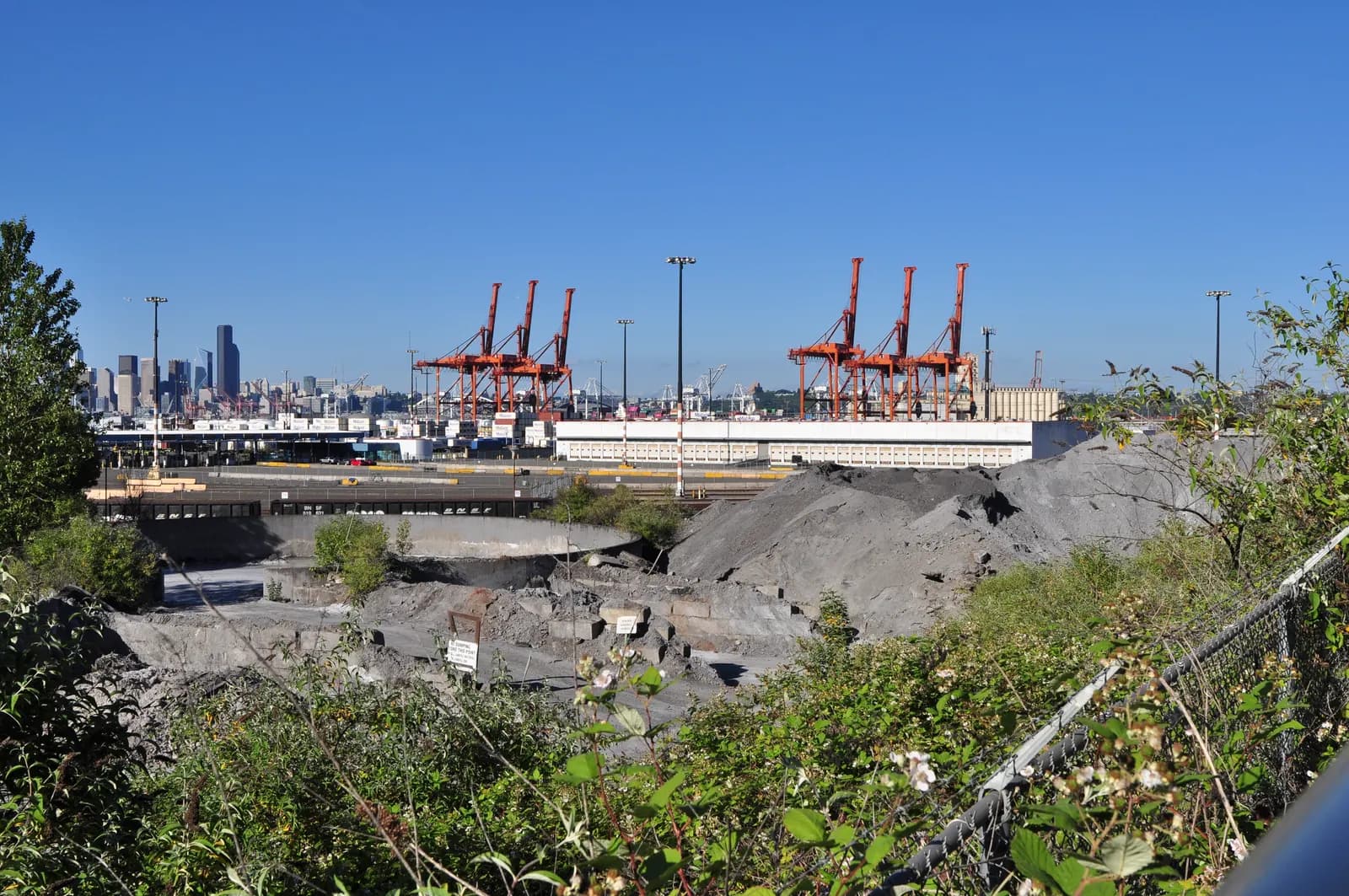
Every export proforma should state an Incoterm, the International Chamber of Commerce's standard shipping terms, with a named place, such as "FCA Columbus, Ohio" or "CIF Mombasa." The Incoterm tells the buyer which costs are in your price and where risk passes from you to them. Incoterms are a private, contractual standard, not a law, but banks, freight forwarders and customs brokers worldwide read them the same way. If your price is CIF, your proforma should show the ocean freight and insurance you're including; if it's EXW or FCA, it should make clear the buyer arranges the main carriage. The buyer's import duties and VAT are normally their cost unless you've agreed a delivered-duty-paid term.
The export filing threshold
The values on your proforma also tell you early whether you'll need to file Electronic Export Information in the Automated Export System when the goods ship. Under 15 CFR 30.37, EEI isn't required where the value of goods under each Schedule B number, shipped from one exporter to one consignee on one conveyance, is $2,500 or less, unless a license or other mandatory filing requirement applies. The ITA's export documents page adds that shipments from the US to Canada generally don't need EEI unless a mandatory filing requirement applies. Plan for the filing when you prepare the proforma, because the Schedule B numbers and values on your commercial invoice must match what's filed.
Proforma invoices at US customs
On the import side, US customs law uses the term "pro forma invoice" in a specific, narrow sense. Under 19 CFR 141.83, a commercial invoice prepared in the way customary in the trade must be filed for each shipment unless an exemption applies. The commercial invoice must contain the details listed in 19 CFR 141.86, including the port of entry, who sold to whom and when, a detailed description of the goods, quantities, the purchase price in the currency of the sale, all charges such as freight, insurance and packing, any rebates, and the country of origin.
When the commercial invoice isn't available in proper form at the time of entry, 19 CFR 141.91 lets CBP accept the entry if four conditions are met: CBP is satisfied the failure is due to a cause beyond the importer's control; the importer files a written declaration that it can't produce the invoice, along with any seller's invoices it has or, if none, a pro forma invoice; the documents are adequate to examine the goods and estimate duties; and the importer files a bond for production of the invoice equal to one and one-half times the invoice value. The real invoice must then be produced within 120 days after the entry summary is filed, or within 50 days if it's needed for statistical purposes, unless CBP grants an extension.
US customs and export numbers to know (2026)
one and one-half times the invoice value
Bond to enter goods on a pro forma
19 CFR 141.91
120 days
Deadline to produce the commercial invoice
after the entry summary
$2,500
Informal entry ceiling for most goods
$2,500
EEI exemption per Schedule B number
15 CFR 30.37
The pro forma itself must follow the form in 19 CFR 141.85, titled "Importer's statement of value or the price paid in the form of an invoice." It lists the shipper, seller, consignee and purchaser; states whether the goods were purchased; gives the basis for the values (such as the price paid as per an order, advice from the exporter, or knowledge of the market); lists case marks, item numbers, quantities and full descriptions with unit and total purchase prices; shows which charges such as packing, inland freight, ocean freight and US duties are included; and states the country of origin, with a signed undertaking to file any other invoice received. Some shipments that don't need a commercial invoice at all, such as goods not intended for sale or US goods returned after repair, also use a pro forma under 19 CFR 141.83(d).
Why small importers should care now
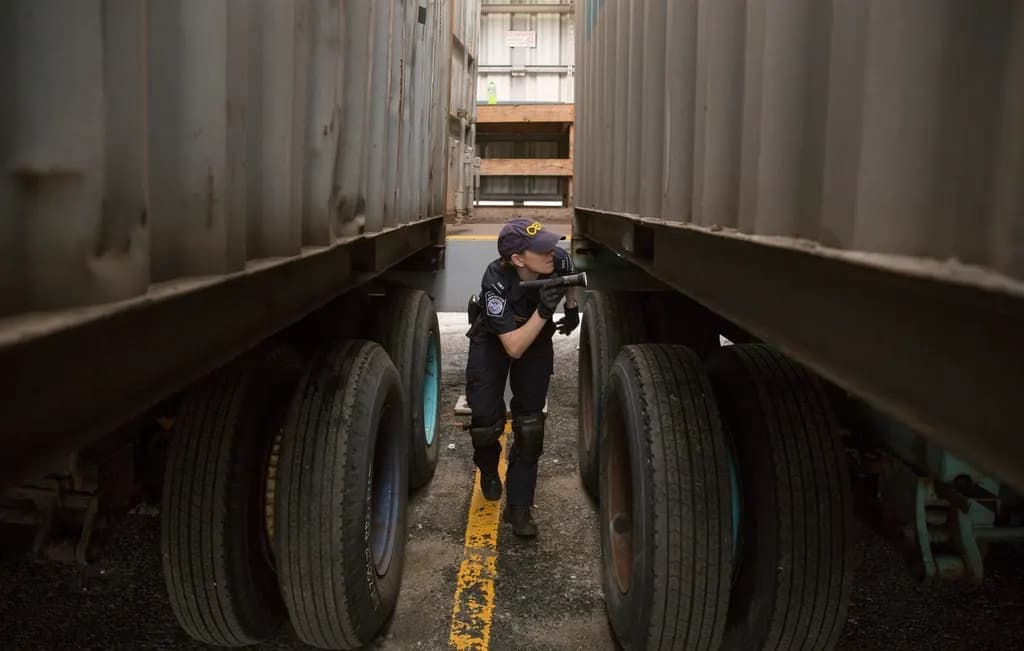
Low-value shipments used to slip through on minimal paperwork. Under 19 CFR 143.21, most shipments valued at $2,500 or less can still use the simpler informal entry process, but duty-free de minimis treatment for low-value parcels was suspended for all countries from August 29, 2025, and its statutory repeal for commercial shipments is scheduled for July 1, 2027. Small packages that once entered duty-free now need proper entries and accurate values, so if you buy samples or small lots from overseas suppliers, ask for a correct commercial invoice with every shipment rather than relying on a proforma or a packing slip. Your customs broker can tell you what your specific entries need.
What to include on a proforma invoice
The ITA lists the core fields an export proforma should carry, and a few more are worth adding so the document can be reused when you prepare the commercial invoice. Our proforma invoice generator includes these fields.
Proforma invoice checklist
0/14Worked example: an export proforma from Ohio to Kenya
A machine-parts manufacturer in Columbus, Ohio agrees to supply 400 brass valve assemblies to a distributor in Nairobi. The distributor needs a proforma to open a letter of credit and to file its import declaration, and asks for a price delivered to Mombasa port.
| Proforma PF-2026-014 | Qty | Unit price | Amount |
|---|---|---|---|
| Brass valve assembly, model BV-25 | 400 | $38.50 | $15,400.00 |
| Export packing (2 crates) | $220.00 | ||
| Inland freight to Port of Baltimore | $480.00 | ||
| Ocean freight Baltimore–Mombasa | $2,150.00 | ||
| Marine insurance | $95.00 | ||
| Total, CIF Mombasa (USD) | $18,345.00 | ||
| Terms | 30% advance by wire ($5,503.50); balance by irrevocable LC at sight. Valid until November 30. Ships within 6 weeks of LC receipt. Origin: USA |
Three things follow from these numbers. First, the advance is calculated on the full CIF total: 30% of $18,345 is $5,503.50, leaving $12,841.50 under the letter of credit. Second, because the valves fall under one Schedule B number and are worth well over $2,500, the exporter (or its forwarder) will need to file EEI in AES before the goods are exported. Third, the commercial invoice issued at shipment should repeat the proforma's description, quantities, unit price and Incoterm exactly. If only 396 assemblies pass final inspection, the exporter should agree the change with the buyer before shipping, because a commercial invoice for $15,246 in goods ($38.50 × 396) against an LC built on 400 units may be rejected by the bank as a discrepancy.
Currency, validity and changes
Most export proformas are priced in US dollars, which leaves the exchange-rate risk with the buyer. If a buyer asks you to quote in its own currency, you take that risk instead: a 5% move in the exchange rate between the proforma date and the payment date can wipe out the margin on a typical small order. If you must quote in a foreign currency, keep the validity period short, consider building a cushion into the price, and talk to your bank about fixing the rate once the order is confirmed.
Set the validity date to match how fast your costs move. Freight rates, metal and resin prices and lead times can change within weeks, so 30 days is a common choice for manufactured goods, with shorter periods for volatile inputs. When a proforma expires, don't simply re-date it. Check supplier prices and freight first, then issue a revised proforma with a new reference such as PF-2026-014-R1, so the buyer's bank and import authority can see which version is current.
If the buyer asks for changes after you've issued a proforma, such as a different quantity or a split shipment, issue a revised version rather than marking up the original, and keep both on file. The commercial invoice should match the final agreed version exactly.
From proforma to paid export order
- 1
Agree price and Incoterm
Confirm quantities, specifications, currency and the named place for delivery.
- 2
Issue the proforma
Use a PF- reference outside your invoice sequence and set a validity date.
- 3
Buyer arranges payment and permits
Advance wire, letter of credit or import license based on your proforma.
- 4
Produce and pack
Record net and gross weights and package marks for the shipping documents.
- 5
Ship and file
Issue the commercial invoice and packing list; file EEI in AES where required.
- 6
Present documents and get paid
Make sure invoice, bill of lading and LC terms match exactly before presenting to the bank.
Proforma invoices for domestic deposits
Inside the US, many small businesses use a proforma invoice to ask for a deposit or full prepayment before starting custom work, ordering special stock or shipping to a new customer: a sign shop asking 50% upfront, a furniture maker requiring payment before cutting timber, or a wholesaler shipping to a new account on prepayment terms. The proforma gives the customer a document their finance team can approve and pay against.
The bookkeeping convention is to keep proformas out of your sales records. Give them a separate number series and don't record them as revenue or receivables, because no sale has happened yet. When the customer pays a deposit, record it as a customer deposit or unearned revenue, and issue a receipt if they want one. When you deliver, issue the final invoice in your normal sequence, deduct the deposit and quote the proforma number. The IRS expects your gross receipts to be supported by documents such as invoices and receipt books, and keeping proformas separate makes it obvious which documents record actual sales. If the sale is taxable, show the sales tax the final invoice will carry so the customer approves the full amount, but account for the tax when the sale takes place under your state's rules. Our guide on how to make an invoice covers the final invoice and its tax line.
Common proforma mistakes
Numbering proformas in your invoice sequence. It inflates your sales records and confuses your accountant. Use a separate PF- series.
No validity date. A buyer may come back months later expecting the same price after freight rates or metal prices have moved. State an expiry date.
Leaving out weights, origin or HS codes. The buyer's bank or import authority may reject a proforma that lacks them, delaying the LC or permit.
Changing figures on the commercial invoice without agreement. Banks check documents against the letter of credit strictly. Agree changes with the buyer, and have the LC amended, before you ship.
Using a proforma to clear US customs routinely. The pro forma route is for when the commercial invoice is genuinely unavailable, and it comes with a bond and a deadline. Ask suppliers for a proper commercial invoice with every shipment.
Official references
- ITA — Pro Forma InvoicePurpose and recommended contents
- ITA — Common Export DocumentsCommercial invoice and EEI
- 19 CFR 141.85 — Pro forma invoice formRequired wording at US entry
- 19 CFR 141.91 — Entry without required invoiceBond and 120-day deadline
- 15 CFR 30.37 — EEI exemptions$2,500 per Schedule B number
What to do next
Create your proforma template once, with a separate number series and a validity date, using the free proforma invoice generator. If the buyer responds with a purchase order, check it matches your proforma before you ship, then issue the final bill with the invoice generator. For foreign-currency deals, the currency converter helps you sense-check the buyer's figures, and when the deposit or final payment lands, a sales receipt gives the customer proof of payment.
This is general information, not legal or tax advice — confirm on the official source or with a professional.
Frequently asked questions
A proforma invoice is a preliminary bill a seller sends before the sale is completed. It sets out the goods, quantities, prices, shipping terms, payment terms and a validity date, so the buyer can approve the deal, pay a deposit, open a letter of credit or apply for an import license. It is not a demand for payment of a completed sale and doesn't replace the final commercial invoice.
Usually not on its own. It works like a detailed quotation: if the buyer accepts it, for example by signing it, paying against it or issuing a matching purchase order, a contract can form on its terms. The U.S. International Trade Administration notes that once issued, changes shouldn't be made without the buyer's consent, because the buyer and import authorities rely on it.
A proforma invoice comes before shipment and describes the intended sale. A commercial invoice is issued when the goods ship and records the actual sale: final quantities, values and charges. Customs uses the commercial invoice to assess duty. In the US, CBP accepts a pro forma invoice at entry only when the commercial invoice isn't available, and the importer must usually produce the real one later.
Sometimes. Under 19 CFR 141.91, if the commercial invoice isn't available at entry for reasons beyond the importer's control, CBP may accept a pro forma invoice in the form set out in 19 CFR 141.85, with a bond of one and one-half times the invoice value. The importer must then produce the commercial invoice within 120 days of the entry summary filing.
Give it a reference number, but keep it out of your sales invoice sequence, for example PF-2026-014, so your books don't show it as a sale. When the order ships, issue a commercial or sales invoice with its own number and quote the proforma reference on it so the buyer can tie them together.
Show the sales tax the final invoice will carry if the sale is taxable, so the buyer budgets the right amount, but don't record it as tax collected until the sale happens. Goods you ship to a buyer outside the US are usually treated as exports rather than taxable in-state sales, but confirm your state's export rules; the importing country may charge its own VAT or duties, which the buyer usually pays.
Sources & verification
Figures on this page were checked against the sources below when it was last reviewed on 12 October 2026. Each rate and limit is stored once with its own official source and review date, and official update channels are monitored daily so changes are picked up. How we verify
- 1.Pro Forma Invoice — International Trade Administration, U.S. Department of Commerce · accessed 12 October 2026
- 2.Common Export Documents — International Trade Administration, U.S. Department of Commerce · accessed 12 October 2026
- 3.19 CFR 141.85 — Pro forma invoice — eCFR (National Archives) · accessed 12 October 2026
- 4.19 CFR 141.91 — Entry without required invoice — eCFR (National Archives) · accessed 12 October 2026
- 5.19 CFR 141.83 and 141.86 — Type and contents of invoices — eCFR (National Archives) · accessed 12 October 2026
- 6.15 CFR 30.37 — Miscellaneous exemptions (EEI) — eCFR (National Archives) · accessed 12 October 2026
- 7.19 CFR 143.21 — Merchandise eligible for informal entry — eCFR (National Archives) · accessed 12 October 2026
- 8.Publication 583, Starting a Business and Keeping Records — IRS · accessed 12 October 2026
MSMETOOLS is an independent platform and is not affiliated with any government agency, ministry or department.
Tools for this
Proforma Invoice Generator
Send advance invoices before supply.
Invoice Generator
Create professional invoices with tax, logo and custom details.
Quotation Generator
Create professional quotes for clients.
Purchase Order Generator
Generate purchase orders instantly.
Related guides
 How to Make an Invoice in 2026: Template, Terms & ExamplesRead guide
 How to Write a Quotation (2026): Template, Terms & Tax LinesRead guide
 Estimate vs Quote (2026): Binding Rules, Overruns & ChangesRead guide
 Sales Receipt (2026): What to Include, Sales Tax & IRS RulesRead guide
Official links open the government site in a new tab.