 Finance & accounting
Equipment Financing in 2026: Loans, Leases and the Tax Rules That Decide Between Them
Equipment financing in 2026: loans vs $1 buyout and FMV leases, how Section 179 and 100% bonus depreciation apply, SBA options and a worked $150,000 example.
 Edited by Sumeet YadavFounder & editor, MSMETOOLS · fact-checked against official sources
Contents (10)
- 1. How equipment financing works
- 2. Loan vs $1 buyout vs FMV lease
- 3. The IRS lease-or-purchase test
- 4. Section 179 and bonus depreciation in 2026
- 5. SBA loans for equipment
- 6. Worked example: $150,000 of equipment three ways
- 7. Can a start-up get equipment financing?
- 8. What lenders look at and how to apply
- 9. Common mistakes
- 10. What to do next
New equipment is often the single biggest purchase a small business makes after its building, and how you pay for it can matter as much as which machine you buy. This guide is for owners deciding between an equipment loan, a $1 buyout lease and a fair-market-value lease. It explains how each one works, the IRS test that decides whether a "lease" is really a purchase, how Section 179 and the restored 100% bonus depreciation apply in 2026, where SBA loans fit, and runs a $150,000 equipment package through all three options so you can compare cash flow and taxes side by side. Tax figures were checked against IRS Publication 946 in October 2026.
Quick answer
Equipment financing means borrowing or leasing to get equipment now and pay for it over time, with the equipment as collateral. A loan or $1 buyout lease makes you the owner for tax purposes, so you can deduct the cost upfront with Section 179 (limit $2,560,000 for 2026) or 100% bonus depreciation. A fair-market-value (FMV) lease has lower payments that are deductible as rent, and you can return the equipment at the end.
Most terms run 2–7 years and shouldn't exceed the equipment's useful life
Lenders typically finance 80%–100% of the cost; the equipment secures the debt
Section 179 and bonus depreciation work on financed equipment if you own it for tax purposes
SBA 7(a) loans finance equipment for up to 10 years (up to 15 if IRS useful life supports it); SBA 504 covers machinery with a 10-year-plus life
Many states don't follow federal bonus depreciation, so your state deduction may be smaller
How equipment financing works
Equipment financing is any arrangement where a lender or lessor pays for equipment and you repay over time, with the equipment itself as the main collateral. Because the lender can repossess and resell the asset, equipment financing is usually easier to qualify for than an unsecured loan, and lenders often fund a large share of the price. The lender records its interest by filing a UCC-1 financing statement with your state, and owners of small businesses are usually asked for a personal guarantee.
You'll meet three broad structures:
- Equipment loan. You buy the equipment, the lender lends part or all of the price, and you own it from day one subject to the lender's lien. You usually put some money down.
- $1 buyout lease (also called a capital, finance or conditional sale lease). The lessor buys the equipment and leases it to you; at the end you buy it for $1. Economically, it's a loan with 100% financing.
- Fair-market-value (FMV) lease (a true or operating lease). You rent the equipment for most of its life; at the end you can return it, renew, or buy it at its then fair market value. Payments are lower because the lessor keeps the residual value.
There are also variations, like a 10% purchase-option lease, which sits between the two, and vendor or manufacturer finance programs, which may offer promotional rates on their own brand of equipment. Whatever the label, the tax treatment depends on the substance of the deal, as the next section explains.
Loan vs $1 buyout vs FMV lease
The three main ways to finance equipment
| Equipment loan | $1 buyout lease | FMV lease | |
|---|---|---|---|
Who owns it for tax | You | You (treated as a purchase) | The lessor |
Upfront cash | Down payment, often 10%–20% | Often first and last payment | Often first and last payment |
Monthly payment | Medium | Highest (finances 100%) | Lowest |
End of term | You own it outright | Buy for $1 | Return, renew or buy at fair market value |
Federal tax deduction | Depreciation (Section 179 or bonus) + interest | Depreciation (Section 179 or bonus) + interest portion | Lease payments as rent |
Best for | Long-life equipment you'll keep | Keeping cash; you'll keep the asset | Technology that dates quickly; trying before committing |
Who owns it for tax
- Equipment loan
You
- $1 buyout lease
You (treated as a purchase)
- FMV lease
The lessor
Upfront cash
- Equipment loan
Down payment, often 10%–20%
- $1 buyout lease
Often first and last payment
- FMV lease
Often first and last payment
Monthly payment
- Equipment loan
Medium
- $1 buyout lease
Highest (finances 100%)
- FMV lease
Lowest
End of term
- Equipment loan
You own it outright
- $1 buyout lease
Buy for $1
- FMV lease
Return, renew or buy at fair market value
Federal tax deduction
- Equipment loan
Depreciation (Section 179 or bonus) + interest
- $1 buyout lease
Depreciation (Section 179 or bonus) + interest portion
- FMV lease
Lease payments as rent
Best for
- Equipment loan
Long-life equipment you'll keep
- $1 buyout lease
Keeping cash; you'll keep the asset
- FMV lease
Technology that dates quickly; trying before committing
The IRS lease-or-purchase test
For federal tax, a document called a "lease" can still be a purchase. The IRS says you must first decide whether the agreement is a true lease or a conditional sales contract, based on the parties' intent and the facts when it's signed, and that no single test always settles it. If it's a conditional sales contract, you're treated as the buyer: you depreciate the equipment and deduct the interest, but you can't deduct the full payment as rent.
The IRS lists signs that an agreement is really a purchase, including when:
- part of each payment builds an equity interest you'll receive in the property;
- you get title after paying a stated amount of "rent";
- you pay much more than the current fair rental value;
- you can buy the property at a nominal price compared with its value when you can exercise the option, measured at the time you sign, or for a small amount compared with the total you pay; or
- part of the payments is designated as interest or is easy to recognize as interest.
A $1 buyout lease almost always fails the true-lease test because of the nominal purchase option, which is why lessors and accountants treat it as a purchase from the start. A genuine FMV lease, where the purchase price at the end is the market value at that time, is usually a true lease. In between, a 10% purchase option can go either way; ask your accountant before you sign, because the classification decides your deductions for years.
Section 179 and bonus depreciation in 2026
If you own the equipment for tax purposes, including through a loan or $1 buyout lease, two provisions can let you deduct most or all of the cost in the year you place it in service rather than over five or seven years.
Federal first-year write-offs for equipment
$2,560,000
Section 179 limit
Tax years beginning in 2026
$4,090,000
Phase-out starts
Limit falls dollar for dollar above this
100%
Bonus depreciation
Qualified property acquired after Jan 19, 2025
$32,000
Section 179 cap for heavy SUVs
2026
Section 179. For tax years beginning in 2026, you can elect to expense up to $2,560,000 of qualifying property, reduced by the amount your total qualifying purchases for the year exceed $4,090,000. For 2025 the figures were $2,500,000 and $4,000,000. Publication 946 sets three conditions that matter for financed equipment: the property must be acquired by purchase (so financing is fine, but a true lease isn't), it must be used more than 50% for business in the year you place it in service, and your Section 179 deduction can't exceed your business taxable income for the year. Any amount over that income limit carries forward.
Bonus depreciation. The 2025 budget law, P.L. 119-21, reinstated 100% bonus (special) depreciation for qualified property acquired and placed in service after January 19, 2025, and it no longer phases down. For the first tax year ending after January 19, 2025, you could elect a 40% rate instead. Bonus depreciation has no dollar cap and no business-income limit, so it can create a loss, which Section 179 can't.
Placed in service matters, not paid for. You claim the deduction in the year the equipment is ready and available for its use in your business. Ordering a machine in December that arrives in February moves the deduction into next year.
States may differ. Many states decouple from these federal rules. California, for example, caps Section 179 at $25,000, reduced when purchases exceed $200,000, and doesn't follow the federal 100% bonus allowance, so a California business deducts far less on its state return. Check your state's depreciation form before counting on a state tax saving. For how ordinary depreciation works, see our depreciation guide.
Remember recapture. If you expense equipment upfront and later sell it, the gain up to the amount you deducted is generally taxed as ordinary income. Expensing changes the timing of deductions; it doesn't create extra ones.
SBA loans for equipment
Two SBA programs fund equipment, usually at lower rates and longer terms than specialist equipment lenders.
| SBA option | Maximum | Equipment term | Rate |
|---|---|---|---|
| 7(a) / 7(a) Small | $5 million / $350,000 | Up to 10 years (up to 15 if IRS useful life supports it) | Variable or fixed, capped at prime + 3% to 6.5% |
| 504 | $5,000,000 debenture | 10 years (10-year useful life required) | CDC portion fixed |
| Microloan | $50,000 | Up to 7 years | Typically 8%–13% |
SBA 7(a). Equipment is an eligible 7(a) use, alone or alongside working capital or real estate. Under SOP 50 10 8.1, equipment, fixtures and furniture loans generally run up to 10 years (up to 15 if IRS useful life supports it), with up to 12 extra months allowed for installation. Rates are capped by SBA: with prime at 7.00%, the variable cap is Prime + 6.0% on loans of $50,001–$250,000. For loans of $50,000 or less under 7(a) Small or Express, SBA doesn't require collateral. Details are in our SBA 7(a) loan guide.
SBA 504. If the machinery has a useful life of at least 10 years, a 504 loan can finance it with a 10-year fixed-rate CDC debenture, usually alongside a bank loan, with as little as 10% of project cost down. 504s suit large production equipment for manufacturers, who in FY2027 also pay no SBA guaranty fees.
SBA microloans up to $50,000 can also buy machinery and equipment and suit start-ups. See our SBA microloan guide.
Worked example: $150,000 of equipment three ways
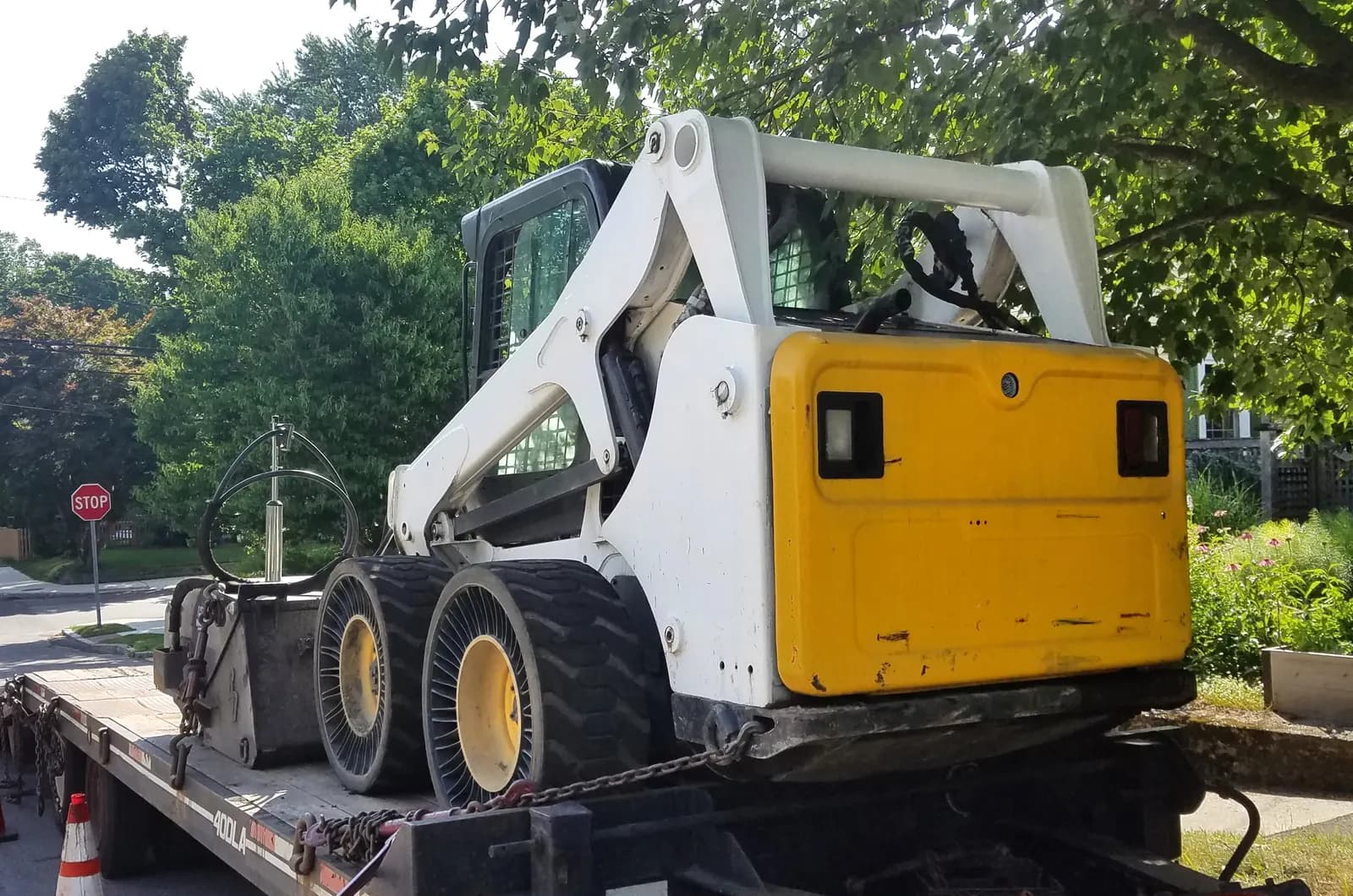
A landscaping and site-work company needs a compact track loader, a mini excavator and a trailer for $150,000. It's profitable, files as an S corporation, and its owners are in the 24% federal bracket. It compares three written offers. The rates and lease payment are illustrative assumptions for comparison, not market quotes.
| Equipment loan | $1 buyout lease | FMV lease | |
|---|---|---|---|
| Upfront cash | $30,000 down (20%) | First payment | First payment |
| Amount financed | $120,000 | $150,000 | Lessor owns equipment |
| Rate / term | 8.5%, 60 months | 9.5% implicit, 60 months | 60 months |
| Monthly payment | about $2,462 | about $3,150 | $2,300 (assumed quote) |
| Total paid over 5 years | about $177,700 incl. down payment | about $189,000 + $1 | $138,000, then return or buy at FMV |
| Federal year-1 deduction | $150,000 (bonus or Section 179) + interest | $150,000 + interest portion | $27,600 of rent |
| Federal tax saved year 1 at 24% | about $36,000 + interest | about $36,000 + interest | about $6,600 |
| Owns equipment after 5 years | Yes | Yes, for $1 | No, unless it buys at FMV |
What the numbers show:
- The loan is cheapest overall (about $27,700 of interest) but needs $30,000 of cash on day one. With the year-1 tax saving, the company's net cash out in year 1 is roughly $59,500 of payments and down payment minus about $36,000 of federal tax saved, before interest deductions.
- The $1 buyout lease conserves cash (no down payment) and gets the same upfront deduction, at the cost of about $39,000 of interest. It suits a business that's growing and wants to keep its cash for payroll and materials.
- The FMV lease has the lowest payment and gives the smallest year-1 deduction, but it spreads deductions evenly and leaves the residual-value risk with the lessor. It makes sense if the company expects to trade up after five years.
If the company were in California, its state deduction under the loan or $1 buyout would be limited to $25,000 of Section 179 plus regular state depreciation, so its combined year-1 saving would be smaller than the federal figure suggests. Run your own payment scenarios below.
Try it — monthly payment on an equipment loan
Can a start-up get equipment financing?
Yes, though the options narrow. Because the equipment is collateral, some lenders will finance a new business's first truck, oven or machine when they wouldn't make an unsecured loan. Expect to put more money down, often 10% to 30%, to show a business plan with projections, and to rely heavily on the owners' personal credit and guarantees. Vendor finance programs are worth asking about, since manufacturers sometimes accept newer businesses to sell their equipment.
SBA programs are often the most realistic route for a start-up. A 7(a) start-up loan needs at least 10% of total project cost equity under SOP 50 10 8.1, and microloan intermediaries regularly finance first equipment purchases for new owners. Used equipment can also be financed and lowers the amount you need to borrow, but lenders may shorten the term to match its remaining life. Our startup business loans guide compares the options.
What lenders look at and how to apply
Equipment lenders range from your own bank and SBA lenders to manufacturers' captive finance companies and independent leasing companies. Their requirements differ, but most look at the same things:
- Time in business and cash flow. Banks often want two years of history and tax returns showing the payment is affordable; specialist lenders accept less history at higher rates.
- Personal and business credit. Owners' personal credit is checked because they guarantee the deal. Established business credit files with suppliers help; see our business credit score guide.
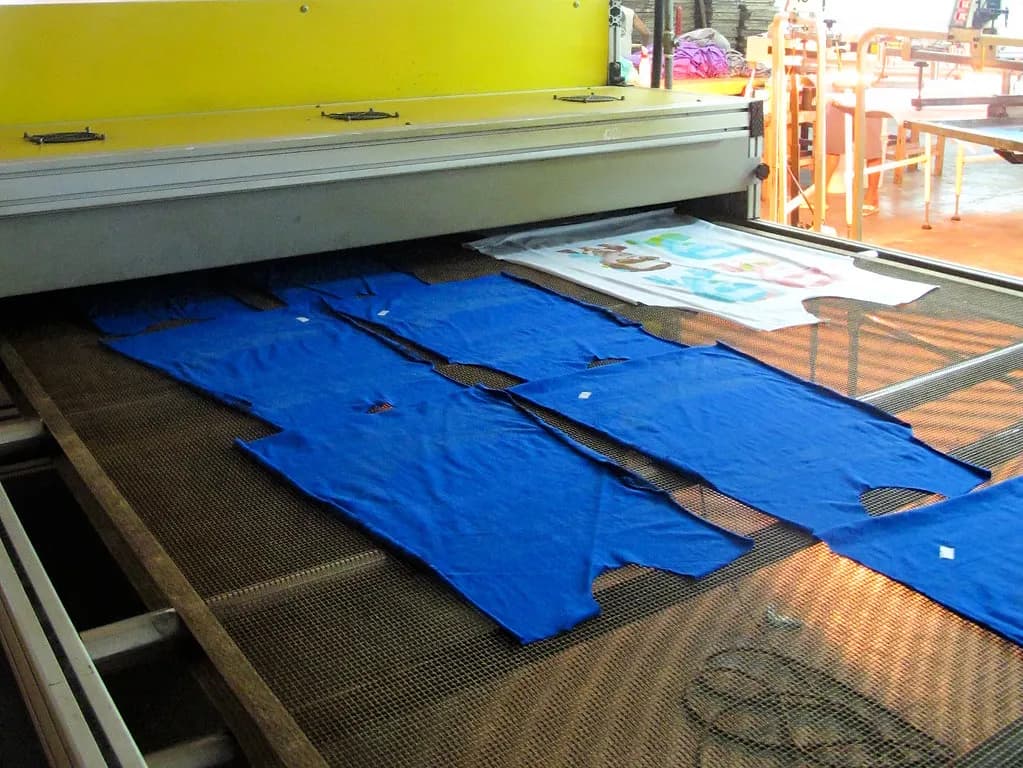
- The equipment. New, standard equipment with a strong resale market (trucks, construction machines, restaurant equipment) is easier to finance than custom or fast-depreciating items.
- The quote. Lenders fund against a vendor invoice or quote, often paying the vendor directly.
To apply, get a written quote from the vendor, gather two to three years of business and personal tax returns, year-to-date financial statements and recent bank statements, and request term sheets from at least three sources: your bank or an SBA lender, the manufacturer's finance program and an independent lessor. Compare the total of all payments, fees (documentation, origination, filing), the end-of-term option, insurance requirements and any prepayment penalty.
Before you sign an equipment deal
0/10Common mistakes
Comparing monthly payments instead of total cost. A lower payment from a longer term or an FMV lease can cost more over the life of the deal. Compare the total of all payments plus the buyout.
Assuming a lease is deductible rent. A $1 buyout lease is treated as a purchase. If your bookkeeper expenses each payment as rent, your returns are wrong and you've also missed the upfront depreciation.
Financing longer than the equipment lasts. Paying for a laptop over five years or a truck over ten leaves you owing money on worn-out equipment. Match the term to the useful life.
Ignoring the FMV buyout. Lessors set the end-of-term fair market value. Ask how it's determined, whether there's a cap, and how much notice you must give to return the equipment, or you may roll into automatic month-to-month renewals.
Overlooking sales tax and insurance. States tax equipment purchases and leases in different ways; many charge tax on each lease payment rather than upfront. Lenders also require you to insure the equipment and name them as loss payee.
Expensing more than you can use. Section 179 is limited by business income and some states cap it far lower. Talk to your tax preparer before year-end, not after.
Official links
- IRS Publication 946 — How To Depreciate PropertySection 179, bonus depreciation, leased property
- IRS FAQ — Lease or conditional sales contract?Factors that make a lease a purchase
- SBA — 7(a) loansEquipment, working capital and more
- SBA — 504 loansLong-life machinery and real estate
- California FTB — Form 3885A instructionsExample of state Section 179 limits
What to do next
Get a written quote for the equipment, decide how long you'll realistically keep it, and test the payment on a loan and a lease in the loan payment calculator. Then ask your tax preparer whether Section 179 or bonus depreciation makes sense this year given your income and your state's rules. If the purchase is large or part of a building project, compare an SBA 7(a) loan or an SBA 504 loan before signing a lease.
This is general information, not legal or tax advice — confirm on the official source or with a professional.
Frequently asked questions
It depends on how long you'll keep the equipment and how you want to handle taxes. A loan or $1 buyout lease makes you the owner for tax purposes, so you can use Section 179 or bonus depreciation and keep the asset. A fair-market-value lease usually has lower payments, the payments are deductible as rent, and you can hand the equipment back, which suits technology that dates quickly.
Yes. Section 179 requires that you acquire the property by purchase and place it in service during the tax year, not that you pay cash. Equipment bought with a loan or a $1 buyout lease generally qualifies, subject to the $2,560,000 limit for tax years beginning in 2026 and the business income limit. A true fair-market-value lease doesn't qualify for the lessee.
A $1 buyout lease, sometimes called a capital or finance lease, lets you buy the equipment for $1 at the end of the term. Because the purchase option is nominal, the IRS generally treats it as a conditional sales contract: you're the owner from the start, you depreciate the equipment, and only the interest portion of each payment is deductible, not the whole payment.
There's no legal minimum; each lender sets its own standards. Because the equipment itself is collateral, equipment financing is often easier to get than an unsecured loan. Banks and SBA lenders generally want established credit and two or more years in business; specialist equipment lenders and vendor finance programs accept more risk at higher rates. Expect a personal guarantee from owners.
Usually for no longer than the equipment's useful life. Many equipment loans and leases run two to seven years. SBA 7(a) equipment loans generally run up to 10 years (up to 15 if IRS useful life supports it), and SBA 504 loans can finance machinery with at least 10 years of useful life over a 10-year term at a fixed rate.
Yes, for federal tax. The 2025 budget law (P.L. 119-21) restored 100% bonus depreciation for qualified property acquired and placed in service after January 19, 2025, with no scheduled phase-down. For the first tax year ending after that date you could elect 40% instead. Many states, including California, don't follow federal bonus depreciation.
Sources & verification
Figures on this page were checked against the sources below when it was last reviewed on 11 October 2026. Each rate and limit is stored once with its own official source and review date, and official update channels are monitored daily so changes are picked up. How we verify
- 1.Publication 946 — How To Depreciate Property — Internal Revenue Service · accessed 11 October 2026
- 2.Rev. Proc. 2025-32 (2026 inflation adjustments) — Internal Revenue Service · accessed 11 October 2026
- 3.FAQ: Equipment payments — deductible lease payments or depreciation? — Internal Revenue Service · accessed 11 October 2026
- 4.SOP 50 10 8.1 — Lender and Development Company Loan Programs (effective October 1, 2026) — U.S. Small Business Administration · accessed 11 October 2026
- 5.7(a) loans — U.S. Small Business Administration · accessed 11 October 2026
- 6.504 loans — U.S. Small Business Administration · accessed 11 October 2026
- 7.2025 Instructions for Form FTB 3885A — California Franchise Tax Board · accessed 11 October 2026
- 8.FTB Publication 1001 — Supplemental Guidelines to California Adjustments — California Franchise Tax Board · accessed 11 October 2026
- 9.H.15 Selected Interest Rates — Board of Governors of the Federal Reserve System · accessed 11 October 2026
MSMETOOLS is an independent platform and is not affiliated with any government agency, ministry or department.
Tools for this
EMI Calculator
Calculate loan EMIs for business and personal loans.
ROI Calculator
Calculate return on investment for your business projects.
Break Even Calculator
Find your break even point and units.
Federal Tax Calculator (US)
Estimate federal income tax for individuals and businesses.
Related guides
 Depreciation Meaning (2026): Methods, MACRS & Section 179Read guide
 SBA 504 Loan 2026: Rates, Fees, Down Payment & RulesRead guide
 Business Credit Score 2026: PAYDEX, Experian, Equifax & SBSSRead guide
 Revenue-Based Financing 2026: Caps, True Cost & State LawsRead guide
Official links open the government site in a new tab.