 Business registration & legal
What Is Meant by a Limited Company? A Plain-English UK Guide for 2026
What is meant by a limited company in the UK in 2026: shares vs guarantee, limited liability, director duties, personal limited companies, IR35, pros and cons.
 Edited by Sumeet YadavFounder & editor, MSMETOOLS · fact-checked against official sources

Contents (11)
- 1. What "limited company" means in law
- 2. Limited by shares vs limited by guarantee
- 3. Who's who: shareholders, directors and PSCs
- 4. Directors' duties under the Companies Act 2006
- 5. How limited is limited liability?
- 6. What is a "personal limited company"?
- 7. Worked example: same profit, two structures
- 8. What a limited company must do every year
- 9. Taking money out of your company
- 10. Pros and cons of a limited company
- 11. What to do next
"Limited company" is the most common way to run a business in the UK, yet many people who own one couldn't say exactly what it means in law. This guide explains what a limited company is, how companies limited by shares and by guarantee differ, what limited liability does and doesn't protect, the duties every director takes on under the Companies Act 2006, and what people mean by a "personal limited company" — including how the IR35 rules affect contractors. It ends with the honest pros and cons, so you can decide whether a company suits you.
Quick answer
A limited company is a business registered at Companies House that is a separate legal person from its owners. It owns its assets, signs contracts and owes its debts in its own name, and its owners' liability is limited to what they've put in or promised. Most small firms are private companies limited by shares; charities and clubs often use companies limited by guarantee.
Needs at least one director and one shareholder (or guarantor) — the same person can be both
Directors owe seven general duties under sections 171–177 of the Companies Act 2006
Profits pay Corporation Tax at 19%–25%; owners usually take salary plus dividends
A 'personal limited company' is a one-person company selling its owner's services — watch IR35
Online registration costs £100
What "limited company" means in law
A limited company is a corporate body: once Companies House registers it, it exists as a legal person separate from the people who formed it. That idea is more than a technicality. It means the company, not you, owns the laptop it buys, signs the lease on the office and owes the money to its suppliers. If it's sued, the company is the defendant. It keeps existing when shareholders sell their shares or directors resign, until it's formally dissolved.
UK courts settled this principle in 1897 in Salomon v Salomon & Co, where a leather merchant who'd turned his business into a company wasn't personally liable for its debts when it failed. The Companies Act 2006 now sets out the rules: how companies are formed, who runs them, what they must file and how they're closed.
The word "limited" describes the owners' liability, not the company's. The company itself is liable for all its debts, without limit. What's limited is how much its members — shareholders or guarantors — can be made to contribute. GOV.UK puts it simply: owners are responsible for business debts only up to the value of their investment. That's why a limited company's name must end with "Limited" or "Ltd" (or the Welsh equivalent): it warns everyone dealing with it that its owners aren't personally on the hook.
A limited company is different from a sole trader, where you and the business are legally the same person and you're personally liable for everything, and from a partnership, where partners usually share unlimited liability. It's also different from a public limited company (plc), which can offer shares to the public but must meet stricter capital rules — see our public limited company guide.

Limited by shares vs limited by guarantee
When you register a company, you choose how its members' liability is limited. GOV.UK asks you to decide between the two at the start, because it changes the documents you file.
Company limited by shares vs limited by guarantee
| Limited by shares | Limited by guarantee | |
|---|---|---|
Owners are called | Shareholders | Members (guarantors) |
Minimum | 1 shareholder | 1 guarantor |
Liability | Any amount unpaid on their shares | The amount each member guarantees, often £1 |
Share capital | Yes — statement of capital filed | No — statement of guarantee filed |
Can pay dividends? | Yes, from distributable profits | No — profits stay in the company |
Typical users | Trading businesses, contractors, start-ups | Charities, clubs, social enterprises, management companies |
Owners are called
- Limited by shares
Shareholders
- Limited by guarantee
Members (guarantors)
Minimum
- Limited by shares
1 shareholder
- Limited by guarantee
1 guarantor
Liability
- Limited by shares
Any amount unpaid on their shares
- Limited by guarantee
The amount each member guarantees, often £1
Share capital
- Limited by shares
Yes — statement of capital filed
- Limited by guarantee
No — statement of guarantee filed
Can pay dividends?
- Limited by shares
Yes, from distributable profits
- Limited by guarantee
No — profits stay in the company
Typical users
- Limited by shares
Trading businesses, contractors, start-ups
- Limited by guarantee
Charities, clubs, social enterprises, management companies
Companies limited by shares are what most people mean by a limited company. You might form one with 100 ordinary shares of £1 each and pay for them in full; your maximum liability is then that £100. Because it has shares, the company can bring in investors, reward founders with equity and pay dividends.
Companies limited by guarantee have no shares. Each member promises to contribute a set amount — usually £1 — if the company is wound up while they're a member. Because there are no shareholders to pay, any surplus is reinvested in the company's purpose. That's why this form suits charities (often alongside Charity Commission registration), sports clubs, residents' management companies and membership bodies.
There are also unlimited companies, where members' liability isn't limited. They're rare and used mainly for privacy, because many don't have to file accounts publicly.
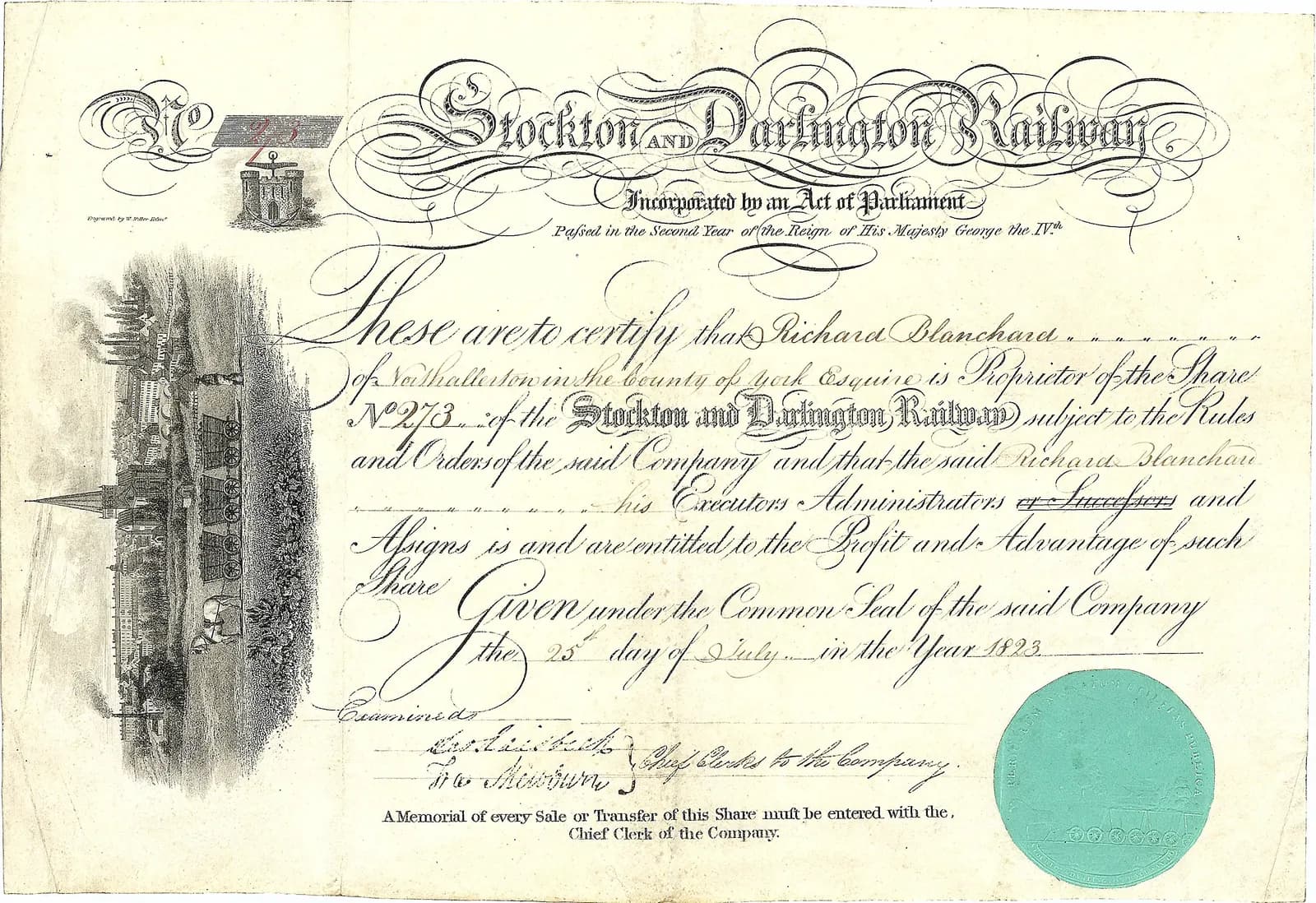
Who's who: shareholders, directors and PSCs
Every private limited company needs at least one director and at least one shareholder or guarantor. In a small company the same person is often both, but the roles are legally distinct. Shareholders own the company: they appoint and remove directors, approve major changes and receive dividends. Directors run it: they make the day-to-day decisions and are responsible for its legal duties. A company secretary is optional for private companies.
You must also identify any person with significant control (PSC) — broadly anyone who holds more than 25% of the shares or voting rights, or can otherwise control the company. Their details appear on the public register. Since 18 November 2025, directors and PSCs have had to verify their identity with Companies House, and new appointments can't be made without it. Our limited company set-up guide walks through registration, the £100 online fee and identity verification step by step.
Directors' duties under the Companies Act 2006
Taking on a directorship — even of a one-person company — means accepting legal duties. Sections 171 to 177 of the Companies Act 2006 set out seven general duties that every director owes to the company:
The seven general duties of a director (Companies Act 2006)
- 1
s.171 — Act within powers
Follow the company's articles of association and use your powers only for the purposes they were given.
- 2
s.172 — Promote the success of the company
Act in good faith for the benefit of the members as a whole, considering long-term consequences, employees, suppliers and customers, the community and environment, reputation, and fairness between members.
- 3
s.173 — Exercise independent judgment
Take advice if you like, but make your own decisions rather than simply following someone else's instructions.
- 4
s.174 — Exercise reasonable care, skill and diligence
Meet the standard of a reasonably diligent person in your role — and higher if you have particular expertise.
- 5
s.175 — Avoid conflicts of interest
Don't put yourself in a position where your interests conflict with the company's unless it's properly authorised.
- 6
s.176 — Don't accept benefits from third parties
Don't take gifts or benefits offered because you're a director, unless they can't reasonably be seen as a conflict.
- 7
s.177 — Declare interests in proposed transactions
Tell the other directors if you have a personal interest in a deal the company is considering.
On top of these, GOV.UK lists the practical responsibilities: keep company records, prepare and file annual accounts, file the Company Tax Return and pay Corporation Tax, and report changes to Companies House. You can delegate the work to an accountant, but GOV.UK is clear that you remain legally responsible for the company's records, accounts and performance.
Breaching these duties has consequences. Directors can be fined, prosecuted or disqualified for up to 15 years. Typical grounds include letting a company keep trading when it can't pay its debts, failing to keep accounting records, failing to file accounts and returns, failing to pay the company's tax, and using company money for personal benefit.
When a company is in financial trouble, the focus of section 172 shifts: directors must give proper weight to creditors' interests, because it's the creditors' money now at risk. Carrying on regardless can expose directors to personal liability for wrongful trading under the Insolvency Act 1986.
How limited is limited liability?
Limited liability protects your personal assets from the company's ordinary debts. If your company owes a supplier £20,000 and can't pay, the supplier generally can't pursue your house or savings. But the protection has well-known gaps:
- Personal guarantees. Banks, landlords and finance companies often ask directors of small companies to guarantee the company's borrowing or lease personally. If you sign, you're liable if the company defaults.
- Overdrawn director's loan accounts. If you take more out of the company than salary, dividends and expenses allow, you owe the company the difference. A liquidator will collect it. If it isn't repaid within nine months of the year-end, the company also pays a 35.75% tax charge (33.75% on loans made before 6 April 2026), and balances over £10,000 are a taxable benefit.
- Wrongful or fraudulent trading. Directors who keep trading when they knew, or should have known, that insolvency was unavoidable can be ordered to contribute to the company's debts.
- Unpaid tax in some cases. HMRC can, in limited circumstances such as deliberate non-payment or repeated insolvencies, make directors personally liable for certain company taxes.
- Acting while disqualified. You can be fined, imprisoned for up to 2 years and made personally liable for company debts.
- Illegal dividends. Dividends paid when there aren't enough distributable profits can be reclaimed from shareholders who knew or ought to have known.
For shareholders who aren't directors, liability really is limited: the most they can lose is the amount paid, or still unpaid, on their shares.
What is a "personal limited company"?
"Personal limited company" isn't a legal term. People use it — along with "my Ltd" or "one-man company" — to describe a private company limited by shares that's owned and run by a single person and exists mainly to sell that person's own skills. IT contractors, consultants, interim managers, engineers, locum professionals and creative freelancers commonly work this way. HMRC's off-payroll guidance calls the same thing a personal service company (PSC): not defined in law, but typically a company the worker controls and has an interest in.

In law, a personal limited company is exactly the same as any other private limited company. It has to be registered, keep records, file accounts and a confirmation statement, register for Corporation Tax and VAT if it passes £90,000 of taxable turnover, and run payroll if it pays a salary. The attraction for contractors has traditionally been tax: the company pays Corporation Tax on profits, and the owner draws a modest salary plus dividends, which carry no National Insurance. Since dividend tax rates rose and the main Corporation Tax rate reached 25%, the gap has narrowed, so run the numbers for your income level.
How IR35 affects a personal limited company
The off-payroll working rules (IR35) exist to stop people avoiding employment taxes by working through their own company in a role that's really employment. If, without the company, the arrangement would make you an employee of the client, IR35 treats the income as employment income for Income Tax and National Insurance.
Who decides depends on the client. Since 6 April 2021, public-sector bodies and medium or large private-sector clients decide your status and, if you're inside IR35, the fee-payer deducts tax and National Insurance before paying your company. For financial years starting on or after 6 April 2025, a company counts as medium or large if it meets two or more of: turnover above £15 million, balance sheet total above £7.5 million, and more than 50 employees. If the client is small, your own company decides, and if the engagement is inside IR35 your company calculates a "deemed payment" at the end of the tax year and pays the tax.
HMRC's Check Employment Status for Tax (CEST) tool helps whoever is responsible reach a view. The factors that matter most are control over how, when and where you work, whether you can send a substitute, and whether there's an ongoing obligation to offer and accept work. Inside IR35, much of the tax benefit of a personal limited company disappears, though the company can still be useful for limited liability and for work outside IR35.
Worked example: same profit, two structures
Priya is a self-employed UX designer in Manchester with £60,000 of annual profit. Her accountant compares staying a sole trader with running a personal limited company that pays her a salary up to the personal allowance and the rest as dividends.
| Item | Sole trader | Limited company |
|---|---|---|
| Business profit before owner's pay | £60,000 | £60,000 |
| Salary paid | — | £12,570 |
| Corporation Tax (small profits rate on profit after salary and employer NI) | — | Applies at 19% |
| Income Tax and Class 4 NI on profits | Applies to all £60,000 | — |
| Dividends taxed at dividend rates | — | Remaining post-tax profit |
| Extra admin | Self Assessment only | Payroll, accounts, CT600, confirmation statement |
The company route usually leaves more after tax at this level of profit, but the saving after accountancy fees is often only a few hundred to a couple of thousand pounds a year, and it shrinks if Priya's contracts fall inside IR35. Our sole trader vs limited company guide runs the full calculation with current rates, and the dividend tax guide explains how dividends are taxed.
What a limited company must do every year
Owning a company brings a fixed annual routine, whatever its size and whether or not it trades. Each year it must file a confirmation statement with Companies House (£50 online) confirming its officers, shareholders and PSCs, and file annual accounts — the first set within 21 months after incorporation, and then within 9 months of each year-end. Late accounts trigger automatic penalties from £150 up to £1,500.
With HMRC, the company files a Company Tax Return and pays any Corporation Tax 9 months and 1 day after the end of the accounting period. If it pays salaries, including to you as director, it must run PAYE payroll and report through Real Time Information. Directors who receive dividends or other untaxed income will normally file a Self Assessment return too. Our Companies House filing guide sets out the dates.
Taking money out of your company
Because the company is a separate person, its bank balance isn't your money, even if you own every share. You can take money out in only a few ways: a salary through payroll, dividends declared from profits that remain after Corporation Tax, reimbursed business expenses, or a director's loan that you must repay. Pension contributions paid by the company are another tax-efficient route. Simply transferring cash to your personal account without one of these labels creates an overdrawn director's loan, which brings the tax charges described above. Keep minutes or written resolutions for each dividend, and make sure the accounts show enough profit to cover it.
Pros and cons of a limited company
Limited company — advantages and disadvantages
| Advantages | Disadvantages |
|---|---|
Owners' personal assets protected from ordinary business debts | Personal guarantees and director liabilities can override that protection |
Profits taxed at Corporation Tax rates; flexibility over when to draw income | Two layers of tax and more complex tax planning |
Easy to bring in investors or co-founders through shares | Directors' names, addresses for service and accounts are public |
Can feel more credible to larger clients and lenders | More admin: accounts, confirmation statement, payroll, CT600 |
Company continues if owners change | Money in the company isn't yours — taking it out has rules |
Often required by agencies and large clients for contractors | IR35 can remove much of the tax advantage |
Owners' personal assets protected from ordinary business debts
- Disadvantages
Personal guarantees and director liabilities can override that protection
Profits taxed at Corporation Tax rates; flexibility over when to draw income
- Disadvantages
Two layers of tax and more complex tax planning
Easy to bring in investors or co-founders through shares
- Disadvantages
Directors' names, addresses for service and accounts are public
Can feel more credible to larger clients and lenders
- Disadvantages
More admin: accounts, confirmation statement, payroll, CT600
Company continues if owners change
- Disadvantages
Money in the company isn't yours — taking it out has rules
Often required by agencies and large clients for contractors
- Disadvantages
IR35 can remove much of the tax advantage
For many people the decision comes down to three questions. Do you need limited liability because your work carries real risk of large claims or debts? Is your profit high enough that the tax difference outweighs the extra costs? And do your clients prefer — or insist on — working with a company? If the answer to all three is no, starting as a sole trader and incorporating later is perfectly normal.
Official links
- Set up a limited companyShares vs guarantee, directors, PSCs
- Running a limited companyDirector responsibilities
- Companies Act 2006 — directors' general dutiesSections 171–177
- Understanding off-payroll working (IR35)Who decides status
- Director's loansOverdrawn accounts and tax
- Company director disqualificationGrounds and penalties
What to do next
If a limited company sounds right, our limited company set-up guide covers registration and identity checks, and the Corporation Tax guide explains what the company will pay. Contractors should price their day rate with our hourly rate calculator and check each contract's IR35 status before signing.
This is general information, not legal or tax advice — confirm on the official source or with a professional.
Frequently asked questions
A limited company is a business that is legally separate from the people who own and run it. It's registered at Companies House, owns its own assets, signs its own contracts and owes its own debts. The owners' liability is limited to what they've invested or promised, so their personal savings and home are generally protected if the business fails.
It's an informal name for a limited company owned and run by one person, usually a contractor or freelancer who sells their own services through it. HMRC calls this a personal service company when the worker controls it. It's an ordinary private limited company in law — the label matters mainly for tax, especially the IR35 off-payroll rules.
A company limited by shares has shareholders who own it and can receive dividends; their liability is the unpaid amount on their shares. A company limited by guarantee has members who promise to pay a fixed sum, often £1, if it's wound up. Guarantee companies have no share capital and are mostly used by charities, clubs and not-for-profits.
Yes, in some cases. Directors can be liable if they give personal guarantees, trade wrongfully or fraudulently when the company is insolvent, take an overdrawn director's loan, or breach their duties. A disqualified director who keeps acting can be fined, imprisoned for up to 2 years and made liable for company debts.
It can. If your working arrangement would be employment were it not for your company, IR35 treats your income as employment income for tax. For medium and large private-sector clients and all public bodies, the client decides your status. For small clients, your own company decides and accounts for any tax due.
Registering online with Companies House costs £100, or £124 by post. You then file a confirmation statement each year for £50 online, plus annual accounts and a Company Tax Return. Most small companies also pay for accounting software or an accountant.
Sources & verification
Figures on this page were checked against the sources below when it was last reviewed on 9 October 2026. Each rate and limit is stored once with its own official source and review date, and official update channels are monitored daily so changes are picked up. How we verify
- 1.Set up a limited company: step by step — GOV.UK · accessed 9 October 2026
- 2.Running a limited company — GOV.UK · accessed 9 October 2026
- 3.Companies Act 2006, Part 10 Chapter 2 — General duties of directors — legislation.gov.uk · accessed 9 October 2026
- 4.Directors' general duties under the Companies Act 2006 — Chartered Governance Institute UK & Ireland · accessed 9 October 2026
- 5.Company director disqualification — GOV.UK · accessed 9 October 2026
- 6.Director's loans — GOV.UK · accessed 9 October 2026
- 7.Understanding off-payroll working (IR35) — HM Revenue & Customs · accessed 9 October 2026
- 8.ESM10006A — off-payroll working: size thresholds — HM Revenue & Customs · accessed 9 October 2026
- 9.Companies House fees — Companies House · accessed 9 October 2026
MSMETOOLS is an independent platform and is not affiliated with any government agency, ministry or department.
Tools for this
VAT Calculator (UK)
Add or remove VAT at 20%, 5% or 0%.
Freelance Hourly Rate Calculator
Work out the hourly rate you need to charge.
Profit Margin Calculator
Calculate profit, markup and margin for your products or services.
Startup Cost Calculator
Estimate how much capital you need to launch.
Related guides
 Sole Trader vs Limited Company 2026: Tax at 6 Profit LevelsRead guide
 Companies House Filing 2026: Deadlines, Fees & PenaltiesRead guide
 Public Limited Company (PLC) 2026: Rules, Capital & Ltd vs PLCRead guide
 Company Secretary UK 2026: Do You Need One and DutiesRead guide
Official links open the government site in a new tab.