 Finance & accounting
Start Up Loans in the UK (2026): Rates, Eligibility, Repayments and How to Apply
Start Up Loans UK 2026: borrow £500 to £25,000 at a fixed 7.5% over 1 to 5 years, with 12 months' free mentoring. Eligibility, how to apply and worked repayments.
 Edited by Sumeet YadavFounder & editor, MSMETOOLS · fact-checked against official sources
Contents (11)
- 1. What a Start Up Loan is
- 2. What changed in April 2026
- 3. Who can get a Start Up Loan
- 4. What you can use the money for
- 5. What a Start Up Loan costs: worked repayments
- 6. Common mistakes to avoid
- 7. How to apply, step by step
- 8. Why Start Up Loan applications are turned down
- 9. Start Up Loans compared with other options
- 10. After you get the loan
- 11. What to do next
If you're about to start a business, or you've been trading for a few years and need money to grow, a Start Up Loan is the government-backed option most UK founders look at first. This guide explains how the British Business Bank's Start Up Loans work in 2026: how much you can borrow, the new interest rate, who qualifies after the April 2026 changes, what you'll need to apply, and what the loan really costs each month, with worked examples in pounds.
Quick answer
A Start Up Loan is a government-backed, unsecured personal loan of £500 to £25,000 per founder, at a fixed 7.5% a year, repaid over 1 to 5 years. You must be 18 or over, live in the UK and run (or plan to run) a UK business that has been trading for less than 5 years. Successful applicants get up to 12 months of free mentoring.
Rate rose from 6% to 7.5% in April 2026
Trading limit extended from three to five years in April 2026
No application fee and no early repayment fee
Each co-founder can apply for their own loan
You need a business plan, cash flow forecast and personal survival budget
What a Start Up Loan is
Start Up Loans are a programme of the British Business Bank, the government's economic development bank, run through the Start Up Loans Company and a network of delivery partners across the UK. The scheme has been lending to founders since 2012. It combines a modest loan with free help: support writing your business plan before you apply, and mentoring for up to a year after the money arrives.
The most important thing to understand is that it's a personal loan, not a business loan. You borrow as an individual, and you're personally liable for the repayments, even if the money goes into a limited company. If the business closes, the debt doesn't disappear with it. That's different from a bank loan to a limited company, where the company is the borrower (although banks often ask directors for a personal guarantee anyway).
Because it's unsecured, you don't need to put up your home or other assets as security, and you don't need a guarantor. The lender decides based on your credit history, your ability to afford the repayments from your household budget, and whether your business plan stacks up.
Start Up Loans at a glance (2026)
£500–£25,000
Loan per founder
7.5%
Fixed interest rate
Was 6% before April 2026
1 to 5 years
Repayment term
12 months
Free mentoring
After the loan is drawn
What changed in April 2026
Two changes took effect in April 2026, and many websites haven't caught up with either.
The interest rate rose from 6% to 7.5%. The rate had been 6% since the scheme began. New applications now pay a fixed 7.5% a year. If you already have a Start Up Loan, your rate stays at whatever your loan agreement says, because the rate is fixed for the term.
The trading limit rose from three years to five. Before April 2026 your business had to have been trading for less than 36 months. Now it must have been fully trading for less than 5 years, so a business started in 2022 or 2023 that missed out before may now qualify.
At the same time, the government brought its small business support together under the Business Growth Service and the business.gov.uk website, which links to the Start Up Loans application and to free local advice.
Who can get a Start Up Loan
To apply, you need to meet all of these conditions:
- You're 18 or over.
- You live in the UK and have the right to work here.
- Your business is based in the UK, or will be.
- The business is new or has been fully trading for less than 5 years.
- You pass a credit check and can show you can afford the repayments.
Sole traders, partnerships and limited companies can all use the scheme, and summaries of the programme rules confirm that franchises and buying an existing business can qualify. Each person can apply for only one business.
Some kinds of business are excluded. The programme's published summary lists sectors such as weapons, gambling, property investment, drugs and FCA-regulated activities like banking, and says charities generally don't qualify, though some community interest companies and social enterprises are considered case by case. If your idea is in a grey area, ask before you start the paperwork.
Your personal credit history matters a lot. Applicants who are currently bankrupt or in an Individual Voluntary Arrangement aren't eligible, and recent missed payments, defaults or County Court Judgments make approval harder. Check your credit file with one of the main credit reference agencies before you apply, so you can correct mistakes first.
Co-founders and partners
The £25,000 limit is per person, not per business. Each partner or director who meets the criteria can apply for their own loan for the same business. The Small Business Commissioner gives the example of a company with three directors borrowing up to £75,000 between them, and Innovate UK Business Connect's summary puts the cap at £100,000 per business. Each founder is personally liable for their own loan, so co-founders should agree in writing how the money will be used and what happens if one of them leaves.
What you can use the money for
The loan must be used for the business you own or are starting, and what you plan to spend it on has to be set out in your business plan and cash flow forecast. Typical uses are equipment, tools and vehicles, opening stock, premises costs such as a deposit or fit-out, a website and marketing, and working capital to cover the gap before customers pay.
According to the programme summaries we checked, the loan can't be used to repay existing debts, to pay for training or education qualifications, or for investments that aren't part of an ongoing business. If you want to refinance expensive credit cards, this isn't the product for it.
The amount you ask for should match your forecast. Asking for the full £25,000 when your plan only needs £8,000 makes the application look weaker, not stronger, and you'll pay interest on money you don't need. The average loan is well below the maximum; Innovate UK Business Connect quotes an average of about £9,300.
What a Start Up Loan costs: worked repayments
Start Up Loans are repaid in equal monthly instalments over the term you choose, at a fixed rate. Here's what common loan sizes cost at 7.5%:
| Loan | Term | Monthly repayment | Total interest |
|---|---|---|---|
| £5,000 | 2 years | £225.00 | £399.95 |
| £10,000 | 3 years | £311.06 | £1,198.24 |
| £10,000 | 5 years | £200.38 | £2,022.77 |
| £25,000 | 3 years | £777.66 | £2,995.60 |
| £25,000 | 5 years | £500.95 | £5,056.92 |
Figures are calculated on a standard amortising basis and rounded to the penny; your loan agreement shows the exact amounts.
What the rate rise costs. On a £10,000 loan over five years, the monthly payment at the old 6% rate was £193.33, and total interest was £1,599.68. At 7.5% the payment is £200.38 and total interest is £2,022.77, about £423 more over five years, or roughly £7 a month.
Choosing the term. A longer term means a lower monthly payment but more interest overall. On £25,000, five years instead of three cuts the monthly payment by about £277 but adds just over £2,000 of interest. Because there's no early repayment fee, some founders choose the longer term for safety in the first year and pay extra when cash allows.
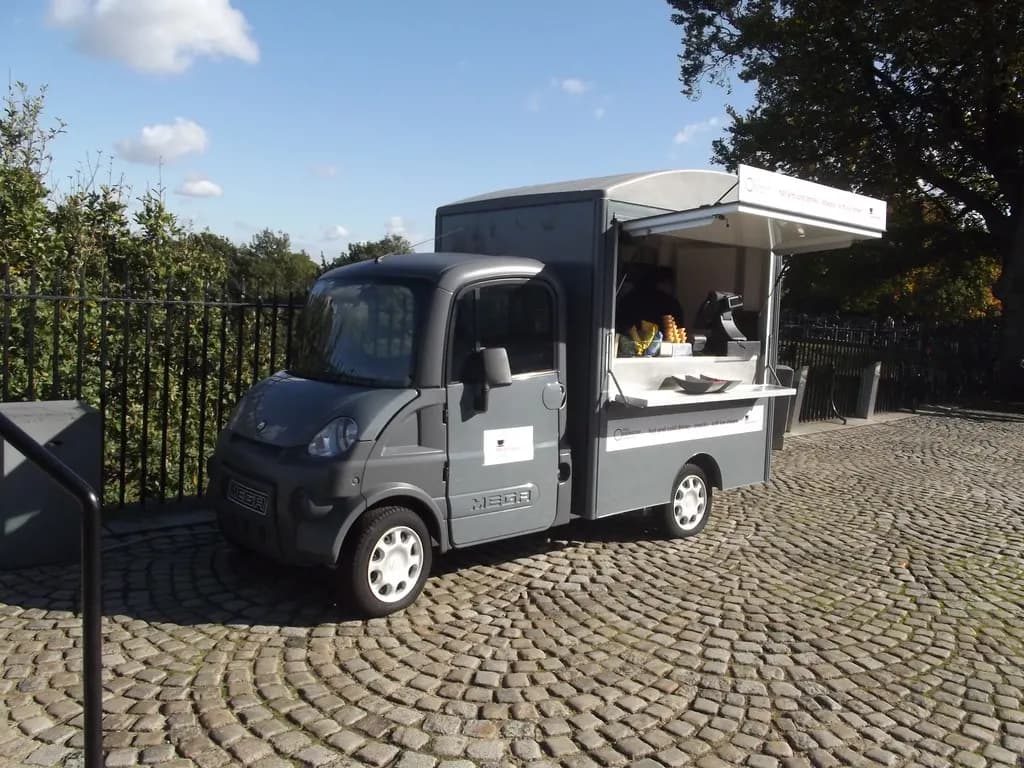
Worked example: a mobile coffee business. Hannah plans a coffee van. Her costs are £14,000 for a second-hand converted van, £2,500 for the coffee machine and grinder, £800 for opening stock and £1,200 for insurance, licences and branding, a total of £18,500. She has £3,500 of savings, so she applies for £15,000 over five years. Her repayment is £300.57 a month, and her personal survival budget has to show she can pay that from her household income even in a slow winter month, while her cash flow forecast shows the business covering it once it's trading. Total interest over five years is £3,034.16.
Try it — monthly repayment on a Start Up Loan
Common mistakes to avoid
Borrowing the maximum by default. Every pound you borrow costs 7.5% a year, and a bigger loan needs a bigger affordability margin in your personal budget. Borrow what the plan needs, plus a sensible buffer, and no more.
Forgetting you'll need to live. Many first forecasts show the business paying its costs but leave out what the founder draws to pay the rent. Your personal survival budget and your cash flow forecast must agree on that figure, or the assessor will spot the gap.
Treating it as company money. If you run a limited company, the loan is still yours personally. Decide with your accountant whether you'll lend it to the company, record it properly as a director's loan to the company, and keep the paperwork, so the company can repay you later without tax complications.
Applying before the paperwork is ready. Applications normally have to be completed within 90 days, and if your plan and forecast are half-finished, that window can run out. Draft them first, then register.
Ignoring other costs of starting up. Insurance, licences, VAT registration and accountancy fees all arrive in the first months. Build them into the forecast so the loan isn't eaten up by costs you didn't plan for.
How to apply, step by step
You apply through the Start Up Loans website, reached from GOV.UK. The process is mostly about preparing three documents with help from a business adviser.
Applying for a Start Up Loan
- 1
Register online
Apply for a Start Up LoanStart from GOV.UK's Apply for a Start Up Loan page and complete the short eligibility form on the Start Up Loans website.
- 2
Get matched with a delivery partner
A delivery partner contacts you, usually within a couple of working days, to check eligibility and talk through your plans.
- 3
Pass the credit check
The partner checks your personal credit file and affordability. Fix errors on your file beforehand.
- 4
Prepare your documents with an adviser
Write your business plan, cash flow forecast and personal survival budget. Free templates are available, and your adviser helps.
Tip: Applications normally have to be completed within 90 days, so have your numbers ready.
- 5
Assessment and offer
Your application is assessed on viability and affordability. If approved, you sign the loan agreement.
- 6
Receive the money and start mentoring
Funds are paid to you, and you can take up to 12 months of free mentoring.
The three documents
Business plan. What the business does, who your customers are, how you'll reach them, your prices and costs, and why you're the right person to run it. Be specific about your market: a coffee van plan should name the pitches, events and footfall it's counting on.
Cash flow forecast. A month-by-month forecast, normally for at least 12 months, of money coming in and going out, including the loan, the repayments and your drawings. This is where weak applications usually fall down. Be realistic about how long it takes to build sales, and include costs people forget, such as insurance, card fees, accountancy and VAT if you'll be registered.
Personal survival budget. Your household budget: the income you'll have (including a partner's income or part-time work) and your monthly costs such as rent or mortgage, bills, food and existing debt repayments. It shows the lender how much you need to draw from the business to live on and whether you can afford the loan repayment. It's personal, not about the business.

Why Start Up Loan applications are turned down
Most refusals come down to one of three things, and you can work on all of them before you apply.
Credit history. Recent missed payments, defaults, County Court Judgments or a very thin credit file make lenders cautious. Check your file, correct any errors, register on the electoral roll at your current address and give it a few months if you've had recent problems.
Affordability. If your personal survival budget shows you can't cover the repayment alongside your household costs, the loan won't be offered. Borrowing less, choosing a longer term or showing other household income can change the answer.
An unconvincing plan. Forecasts that assume you'll be busy from day one, prices that don't cover costs, or a loan amount that doesn't match the spending in the plan all raise doubts. Show your evidence: quotes, pre-orders, letters of intent, test sales or market research.
If you're turned down, ask the delivery partner why. You can often strengthen the plan and come back, or look at other routes such as local finance, a smaller loan, or savings and grants together.
Start Up Loans compared with other options
Start Up Loan vs other ways to fund a new business
| Option | Repay? | Security | Main catch |
|---|---|---|---|
Start Up Loan | Yes, 7.5% fixed | Unsecured, personal | You're personally liable; credit check |
Grant | No | None | Rare, targeted, often part-funded and paid in arrears |
Bank business loan | Yes, rate varies | Often a personal guarantee | Harder to get with no trading history |
Credit card or overdraft | Yes, usually higher rates | Unsecured | Expensive if not cleared quickly |
Friends and family / equity | Depends on terms | None | Relationships and ownership at stake |
Start Up Loan
- Repay?
Yes, 7.5% fixed
- Security
Unsecured, personal
- Main catch
You're personally liable; credit check
Grant
- Repay?
No
- Security
None
- Main catch
Rare, targeted, often part-funded and paid in arrears
Bank business loan
- Repay?
Yes, rate varies
- Security
Often a personal guarantee
- Main catch
Harder to get with no trading history
Credit card or overdraft
- Repay?
Yes, usually higher rates
- Security
Unsecured
- Main catch
Expensive if not cleared quickly
Friends and family / equity
- Repay?
Depends on terms
- Security
None
- Main catch
Relationships and ownership at stake
Grants are worth checking, but they're rarer than most founders hope and usually fund a specific project; our small business grants guide explains where real ones come from. For most new sole traders and small companies, the Start Up Loan's fixed rate, lack of fees and free mentoring make it the benchmark to compare other offers against.
After you get the loan
Open a separate business bank account if you haven't already, and keep receipts for everything the loan pays for, because your adviser and your accountant will both want to see them. If you haven't yet registered the business, do it now: register as a sole trader with HMRC or set up a limited company.
Borrowed money isn't income, so the loan itself isn't taxed, and repaying the capital isn't a business expense. What the money buys can reduce your tax: equipment can qualify for capital allowances, and stock and running costs are allowable expenses. Ask your accountant how to treat the interest, especially if you lend the money on to your own limited company.
Use the mentoring: it's free for up to 12 months, and an outside view of your numbers in the first year is valuable. Set up repayments by Direct Debit, and if trading is tight, talk to the lender early rather than missing a payment.
What to do next
Work out exactly how much you need with the startup cost calculator, then draft your plan with the business plan generator. Run the repayment through the EMI calculator at 7.5% and check it fits your personal budget. When your numbers are ready, start the application on GOV.UK, and read our guide to starting a business for the registrations you'll need along the way.
This is general information, not legal or financial advice — confirm on the official source or with a professional.
Frequently asked questions
Start Up Loans have a fixed interest rate of 7.5% a year for new applications. The rate rose from 6% in April 2026. It's fixed for the life of the loan, so your monthly repayment doesn't change, and there's no application fee or early repayment fee. Loans taken out at 6% before the change keep their original rate.
Each founder can borrow between £500 and £25,000, repaid over 1 to 5 years. Business partners and co-founders can each apply for their own loan for the same business, so a business with three founders could borrow up to £75,000 between them if every application is approved.
Yes, if it has been fully trading for less than 5 years. That limit was extended from three years to five years in April 2026, so many businesses that were too old for the scheme before can now apply. You also need to be 18 or over, live in the UK and pass a credit check.
It's an unsecured personal loan used for business purposes. You borrow it as an individual, even if you run a limited company, and you're personally responsible for repaying it. If the business fails, you still owe the balance, and missed payments affect your personal credit file.
You'll need a business plan, a cash flow forecast (normally for at least 12 months) and a personal survival budget showing your household income and costs. Free templates are available on the Start Up Loans website, and a business adviser from a delivery partner helps you complete them after you pass the credit check.
You should be contacted within a couple of working days of registering. How long the rest takes depends mostly on how ready your business plan and cash flow forecast are. Independent guides report six to twelve weeks from first contact to money in the bank, and an application normally has to be completed within 90 days.
Sources & verification
Figures on this page were checked against the sources below when it was last reviewed on 9 October 2026. Each rate and limit is stored once with its own official source and review date, and official update channels are monitored daily so changes are picked up. How we verify
- 1.Apply for a Start Up Loan for your business — GOV.UK / British Business Bank · accessed 9 October 2026
- 2.Startup and growth support: from a single source — Office of the Small Business Commissioner · accessed 9 October 2026
- 3.British Business Bank Start-up Loans — Innovate UK Business Connect · accessed 9 October 2026
- 4.Start Up Loans: rates, eligibility and application — Prowess · accessed 9 October 2026
- 5.Finance and support for your business — Department for Business and Trade / GOV.UK · accessed 9 October 2026
- 6.Business.gov.uk — Department for Business and Trade · accessed 9 October 2026
- 7.Set up as a sole trader — HMRC / GOV.UK · accessed 9 October 2026
MSMETOOLS is an independent platform and is not affiliated with any government agency, ministry or department.
Tools for this
EMI Calculator
Calculate loan EMIs for business and personal loans.
Business Plan Generator (US)
Create a professional business plan for US investors and banks.
Startup Cost Calculator
Estimate how much capital you need to launch.
Related guides
 Small Business Bank Loans UK 2026: Rates, GGS & GuaranteesRead guide
 Business Bank Account UK 2026: Rules, ID, FSCS & FeesRead guide
 Best Business Savings Rates 2026: How to Compare (UK)Read guide
 Late Payment Interest UK 2026: 8% + Base Rate ExplainedRead guide
Official links open the government site in a new tab.