 Business registration & legal
Maine Business License in 2026: Retailer Certificate, State Licences and Town Requirements
Maine has no general business license. See what applies in 2026: the free retailer certificate, eating and lodging licences, town DBA filings and Portland rules.
 Edited by Sumeet YadavFounder & editor, MSMETOOLS · fact-checked against official sources
Contents (11)
- 1. Does Maine have a state business license?
- 2. The retailer certificate from Maine Revenue Services
- 3. Business names: town clerk or Secretary of State
- 4. Food, lodging and alcohol
- 5. Portland: licences for listed activities
- 6. Short-term rentals and home-based businesses
- 7. Contractors and trades
- 8. Worked examples
- 9. How to get set up in Maine
- 10. Common mistakes and how to fix them
- 11. What to do next
Maine does not have a general business license, and for many small businesses the state side of setting up is short and cheap. Retailers register free with Maine Revenue Services (MRS). Restaurants, caterers and inns need a state eating or lodging licence. Electricians, plumbers and heating technicians need state trade licences. Much of the rest happens at town level: Maine is one of the states where sole proprietors file their business name with the town clerk, and towns control zoning, local licences and, in a few cities, food inspections. This guide explains each part with the 2026 fees, the rules for contractors, and how Portland handles licences. We checked every figure in October 2026.
Quick answer
Maine has no general state business license. If you sell taxable goods or services, register with Maine Revenue Services for a free retailer certificate, one per location. Food and lodging businesses need a state eating or lodging licence before opening, licensed trades need a board credential, and sole proprietors using a trade name file a certificate with the town clerk.
Retailer certificate: free; sales tax 5.5%, no local sales tax
Eating place licence: from $220 (up to 29 seats) to $300 (over 75)
No state licence for general contractors, but written contracts over $3,000
LLC: $175 to form, $85 annual report by June 1
Does Maine have a state business license?
No. Maine splits the work between a handful of agencies. The Secretary of State's Bureau of Corporations forms LLCs and corporations and records assumed names for entities. Maine Revenue Services issues retailer certificates and registers employers for withholding. The Maine CDC Health Inspection Program licenses eating places, caterers and lodging. The Office of Professional and Occupational Regulation (OPOR) licenses electricians, plumbers, fuel technicians and many professions. The Bureau of Alcoholic Beverages and Lottery Operations handles state liquor licences. And your town or city handles business name certificates for sole proprietors, zoning, building permits and any local licences.
For a shop or an online seller, the retailer certificate is what people usually mean by a Maine business license. For a consultant, designer or bookkeeper selling services Maine does not tax, there may be no state registration at all unless you form an entity, and nothing at town level beyond zoning and, if you use a trade name, a business name certificate.
If you form an LLC, the certificate of formation costs $175. Every Maine business entity on file at the end of a year then files an annual report, due by June 1, for $85. The deadline matters: the Secretary of State charges a $50 late penalty on LLC reports and says the penalty will not be waived, and continued failure to file leads to administrative dissolution.
The retailer certificate from Maine Revenue Services
Anyone making taxable sales in Maine registers with MRS through the Maine Tax Portal and receives a retailer certificate. It is free, costing free, and you need a separate certificate for each place of business. Unlike permits in some states, Maine retailer certificates do not expire; they stay valid until you cancel them or MRS revokes them, for example because you stop filing. Retailers reporting at least $3,000 of annual sales also receive a resale certificate, which lets them buy goods for resale without paying tax.
Once registered, you charge 5.5% on most sales, and the rate is the same everywhere because Maine has no local sales taxes. Prepared food and on-premises alcohol are taxed at 8%, lodging at 9%, short-term car rentals at 10% and adult-use cannabis at 14%. Returns are due by the 15th of the month after the period and must normally be filed electronically.
One recent change affects service businesses. From January 1, 2026, Maine repealed the separate service provider tax and moved those services into the sales tax, so businesses selling cable and satellite TV, telecommunications, fabrication and digital audio and video services now report them on the sales tax return. If you previously held only a service provider tax account, you needed a sales tax registration before the start of 2026. Our Maine sales tax guide lists the services affected and covers filing in detail.
| Registration | Who needs it | Cost |
|---|---|---|
| Retailer certificate (MRS) | Anyone making taxable sales, per location | free; does not expire |
| Withholding registration (MRS) | Employers with Maine employees | No fee |
| LLC certificate of formation (SOS) | LLCs (optional structure) | $175 |
| Entity assumed name (SOS) | LLCs and corporations trading under another name | $125 |
| Business name certificate (town clerk) | Sole proprietors and partnerships using a trade name | Set by the town, often $10 |
| Eating or lodging licence (Maine CDC) | Restaurants, caterers, B&Bs, inns | From $135 to $300 |
Business names: town clerk or Secretary of State
Maine handles trade names in two places, depending on who you are. Sole proprietors and general partnerships that do business under any name other than the owners' own file a business name certificate with the clerk of the municipality where the business is located, before they start trading, under Title 31, section 2. There is no state-level filing for them. Town forms commonly show a recording fee of about $10, but each clerk sets its own practice, so check with yours.
LLCs, corporations and other entities that trade under a name other than their registered name file a statement of intention to do business under an assumed name with the Secretary of State, which costs $125. Out-of-state entities whose own name is unavailable in Maine use a fictitious name instead.
Neither filing reserves the name across Maine or gives you trademark rights. Banks, however, routinely ask for the certified town certificate or the state filing before opening an account in a trade name, which is when many owners discover they need one. Our DBA guide compares the options across states.
Food, lodging and alcohol
Food and lodging are the areas where Maine's state licensing bites hardest. Any eating place, caterer, B&B, inn, motel or campground with food service needs a licence from the Maine CDC Health Inspection Program. You apply on form HHE-602 at least 30 days before opening, with a valid Certified Food Protection Manager certificate for a new establishment. Operating before you are inspected and licensed is illegal and can bring fines, and a change of ownership, including a change in who controls an LLC, needs a new application.
Maine eating and lodging licence fees (2026)
| Licence type | Annual fee |
|---|---|
Eating place, Tier 1 (1–29 seats) or takeout | $220 |
Eating place, Tier 2 (30–75 seats) | $265 |
Eating place, Tier 3 (more than 75 seats) | $300 |
Catering | $270 |
Bed and breakfast, 5 rooms or fewer | $135 |
Late renewal within 30 days of expiry | $25 extra |
Eating place, Tier 1 (1–29 seats) or takeout
- Annual fee
$220
Eating place, Tier 2 (30–75 seats)
- Annual fee
$265
Eating place, Tier 3 (more than 75 seats)
- Annual fee
$300
Catering
- Annual fee
$270
Bed and breakfast, 5 rooms or fewer
- Annual fee
$135
Late renewal within 30 days of expiry
- Annual fee
$25 extra
Three cities, Portland, South Portland and Lewiston, are delegated to inspect eating and lodging establishments themselves and use a municipal application with their own fees. If you are opening in one of them, start with city hall rather than Augusta. Wherever you are, the Health Inspection Program also points applicants to local zoning and municipal officials before opening.
Serving alcohol requires a state liquor licence from the Bureau of Alcoholic Beverages and Lottery Operations, applied for online through its licensing system, and approval from the municipality where the premises are located. In Portland that approval comes from the City Council after a legal advertisement, so build several weeks into your opening plan.
Portland: licences for listed activities
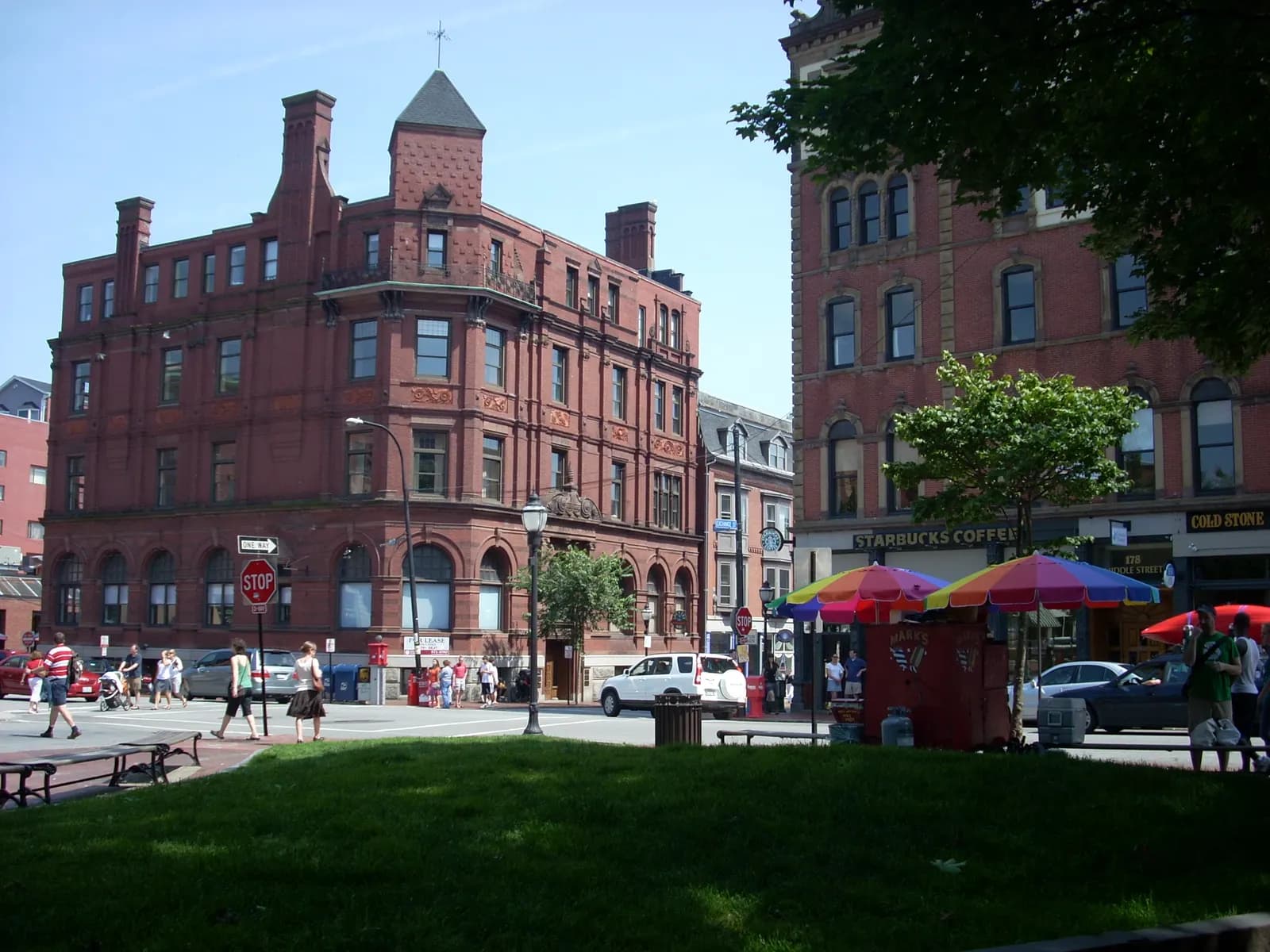
Portland does not issue a general business license to every business. Its Business Licensing office, part of the Permitting and Inspections Department, issues licences for particular activities, including food service and alcohol, entertainment, taxis and liveries, and it runs mandatory registration for short-term rentals and rental housing.
The city's process for a restaurant or bar shows how the layers fit together. Serving food and alcohol in Portland takes three things: a city Municipal Food Service Establishment with Alcoholic Beverages licence, a state on-premises liquor licence, and the state Municipal Eating and Lodging application (HHE-638). Before applying, the city asks you to call the state liquor bureau to confirm the right licence class and to check with the zoning office that the address allows a restaurant, bar or brewery. You then submit the state alcohol application, a letter of intent to the Mayor and City Council, the city application, a floor plan, a menu and proof of the right to occupy, at least four weeks before the council meeting that will consider it.
City fees are paid up front: a $45 application fee, a $150 health inspection, a background check per person and a deposit for the legal advertisement, plus the annual licence fee for your class. The licence lasts twelve months from issue. After council approval you book final inspections, and once every department has signed off, the city issues its licence and approves the state one.
Portland food and alcohol licence package
0/6Short-term rentals and home-based businesses
Renting out a camp, cottage or condo is a business in Maine's eyes once it passes a threshold. An owner who rents a single unit for 15 days days or more in a calendar year must register with MRS and collect the 9% lodging tax, even if bookings come through a platform; below that, the casual renter does not register. Stays of 28 days days or more in a row are exempt. Several towns add their own rules on top: Portland, for example, requires every short-term rental to be registered with the city. Check with the town office before you list a property.
Home-based businesses rarely need a state licence beyond what their activity requires, but zoning still applies. Most towns allow quiet home occupations such as consulting or bookkeeping, while customer visits, signs, employees or outdoor storage can trigger a permit. A call to the code enforcement officer settles it.
Contractors and trades
Maine takes a different approach from many states here. According to the Attorney General, general contractors, and trades such as roofing and framing, are not licensed or regulated in Maine. A builder, remodeler or roofer does not need a state contractor licence to work on homes.
What the state does regulate is the contract. Under the Home Construction Contracts Act, any home construction or repair job involving more than $3,000 in labor or materials needs a written contract signed by both parties before work starts. It must include the parties' details, the site, estimated start and completion dates, the total price, a description of the work, a warranty statement, a choice of dispute resolution method, and a rule that changes must be made in signed written change orders. The initial deposit cannot exceed one-third of the contract price, and the contract must carry the Attorney General's consumer information addendum.
The trades that are licensed are the ones with safety risks. Electricians and plumbers need licences from their boards under OPOR, and anyone installing or servicing oil, solid fuel, propane or natural gas equipment needs a licence from the Maine Fuel Board. Towns issue building, electrical and plumbing permits and enforce codes, so even an unlicensed general contractor will meet the code officer on most jobs.
Getting a Maine café ready to open
Step 1
Zoning check with the town
Step 2
Retailer certificate from MRS (free)
Step 3
Eating licence (HHE-602)
30+ days before opening
Step 4
Inspection
Step 5
Open
liquor licence if serving alcohol
Worked examples
A gift shop in Camden. Ellie forms an LLC for $175 and registers free with MRS for a retailer certificate. Because the shop trades under the LLC's own name, she files no assumed name. A $40 candle costs the customer $42.20 at the 5.5% rate, the same as anywhere in Maine. Her yearly fixed cost is the $85 annual report due by June 1.
A café with 24 seats in Bangor. Sam trades as a sole proprietor under "Kenduskeag Coffee," so he files a business name certificate with the Bangor city clerk. He applies to the Health Inspection Program on HHE-602 with his food manager certificate and pays $220 for a Tier 1 licence. His pastries and drinks served on site are taxed at 8%, so a $6 latte and muffin costs $6.48.
A remodeler in Lewiston. Jordan builds decks and kitchens. Maine requires no contractor licence, but every job over $3,000 gets a written contract with a deposit of no more than a third. On a $27,000 kitchen, the deposit is capped at $9,000. Electrical and plumbing work goes to licensed subcontractors, and the city issues the building permit.
Add licence and registration fees to your first-year budget
How to get set up in Maine
Getting legally set up in Maine
- 1
Choose your structure
Form an LLC with the Secretary of State for $175, or trade as a sole proprietor and file a business name certificate with your town clerk.
- 2
Get an EIN
EIN guideFree from the IRS; needed for entities and employers.
- 3
Register with Maine Revenue Services
Maine sales tax guideGet your free retailer certificate on the Maine Tax Portal before your first taxable sale, plus withholding if you hire.
- 4
Get any state licence
Eating or lodging licence from the Maine CDC, a liquor licence from the state bureau, or a trade licence from OPOR.
- 5
Clear town requirements
Zoning, building and sign permits, and any local licences, such as Portland's food and alcohol licence.
- 6
Diary the deadlines
Annual report by June 1, sales tax returns by the 15th, licence renewals before expiry.
Common mistakes and how to fix them
The first mistake is filing a sole proprietor's trade name with the state. The Secretary of State does not accept them; the filing belongs with the town clerk where the business is located. If you have been trading under a name without one, file now.
The second is opening a food business before the licence arrives. The Health Inspection Program does not allow operation before inspection and licensing, and fines can follow. Apply at least 30 days before your opening date, and include the food manager certificate so the application is not returned.
The third is assuming no contractor licence means no rules. Skipping the written contract on a job over $3,000, or taking more than a third up front, breaks Maine law and invites complaints to the Attorney General, which receives more complaints about contractors than about any other kind of business.
The fourth is missing the annual report. The $50 LLC late penalty is not waived for ordinary lateness, and repeated failure leads to dissolution. Diary June 1 every year.
The fifth is overlooking the 2026 service provider tax change. If you sell services that moved into the sales tax on January 1, 2026, make sure they appear on your sales tax return.
Official Maine links
- Maine Revenue Services — Maine Tax PortalRetailer certificate and withholding
- Maine CDC — Health Inspection ProgramEating and lodging licences
- Maine CDC — Eating & Lodging application (HHE-602)
- OPOR — Professions and occupations
- Attorney General — Home construction and repair
- Secretary of State — LLC forms
- City of Portland — Business licensing
What to do next
Choose your structure, check the name with the LLC name checker and get an EIN. Register on the Maine Tax Portal before your first taxable sale, and use our Maine sales tax guide and sales tax calculator to price correctly. Then visit your town office for zoning and, if you trade under another name, the business name certificate. For neighbouring states, see our Vermont and Massachusetts guides or the business licenses overview.
This is general information, not legal or tax advice — confirm on the official source or with a professional.
Frequently asked questions
Maine does not issue a general statewide business license. Businesses that sell taxable goods or services need a free retailer certificate from Maine Revenue Services, food and lodging businesses need a state eating or lodging licence, licensed trades need a credential from the Office of Professional and Occupational Regulation, and towns handle business name filings, zoning and any local licences.
Nothing. Maine Revenue Services issues the retailer certificate for free through the Maine Tax Portal, with a separate certificate for each place of business. Certificates do not expire; they stay valid until you cancel them or MRS revokes them. You then collect 5.5% on most sales, with no local sales taxes anywhere in Maine.
It depends on your structure. Sole proprietors and general partnerships file a business name certificate with the clerk of the town where the business is located, usually for a small fee such as $10. LLCs and corporations that trade under another name file a statement of intention with the Secretary of State, which costs $125.
Maine does not license general contractors, remodelers, roofers or framers. Electricians, plumbers and oil, solid fuel, propane and gas technicians need licences from their state boards. Any home construction or repair job over $3,000 needs a written contract that meets the Home Construction Contracts Act, with a deposit of no more than one-third of the price.
Apply to the Maine CDC Health Inspection Program on form HHE-602 at least 30 days before opening, with a Certified Food Protection Manager certificate. A Tier 1 eating place with up to 29 seats pays $220. You cannot operate until you are inspected and licensed. Portland, South Portland and Lewiston inspect locally and use a municipal application.
Portland does not license every business, but it licenses specific activities through the Business Licensing office, including food service with alcohol, entertainment, short-term rentals and taxis. A restaurant serving alcohol needs a city licence approved by the City Council, a state liquor licence and the state eating licence application. City fees include a $45 application fee and a $150 health inspection.
Sources & verification
Figures on this page were checked against the sources below when it was last reviewed on 13 October 2026. Each rate and limit is stored once with its own official source and review date, and official update channels are monitored daily so changes are picked up. How we verify
- 1.Business Guide to Sales, Use and Service Provider Tax (December 2025) — Maine Revenue Services · accessed 13 October 2026
- 2.Eating & Lodging License Application (HHE-602, rev. 6/20/25) — Maine CDC Health Inspection Program · accessed 13 October 2026
- 3.Health Inspection Program — Maine CDC · accessed 13 October 2026
- 4.Title 31, §1680: Filing and copying fees; penalties — Maine Legislature · accessed 13 October 2026
- 5.Annual reports for business and nonprofit entities are due June 1 — Maine Secretary of State · accessed 13 October 2026
- 6.Title 10, §1487: Home construction contracts — Maine Legislature · accessed 13 October 2026
- 7.Home Construction and Repair — Maine Attorney General · accessed 13 October 2026
- 8.Professions and Occupations — Maine Office of Professional and Occupational Regulation · accessed 13 October 2026
- 9.Liquor License Application Process and Fees — City of Portland Business Licensing and Housing Safety Division · accessed 13 October 2026
- 10.Business Name Registration (DBA) — Town of Gray, Maine · accessed 13 October 2026
MSMETOOLS is an independent platform and is not affiliated with any government agency, ministry or department.
Tools for this
Sales Tax Calculator (US)
Calculate sales tax for all US states and cities.
Startup Cost Calculator
Estimate how much capital you need to launch.
LLC Name Checker (US)
Check business name availability in your state.
Related guides
 Connecticut Business License 2026: Permits, DCP & Town RulesRead guide
 Vermont Business License 2026: Tax Account, OPR & Local RulesRead guide
 Massachusetts Business License 2026: What You NeedRead guide
 Maine Sales Tax 2026: 5.5% Rate, 8% Meals, 9% LodgingRead guide
Official links open the government site in a new tab.