 Finance & accounting
Public Liability Insurance in Australia (2026): When You Need It, How Much Cover and What It Costs
Public liability insurance in Australia for 2026: when it's compulsory, A$5m vs A$10m vs A$20m cover, cost estimates, stamp duty, tax and claims, with A$ examples.
 Edited by Sumeet YadavFounder & editor, MSMETOOLS · fact-checked against official sources
Contents (11)
- 1. What public liability insurance covers
- 2. Is public liability insurance compulsory?
- 3. Choosing your limit: A$5m, A$10m or A$20m
- 4. What public liability insurance costs
- 5. Sole traders, subcontractors and certificates of currency
- 6. Worked examples in A$
- 7. Claims, disclosure and your rights
- 8. Tax and GST on your premium
- 9. What changed in 2025–26
- 10. Common mistakes
- 11. Next steps
Public liability insurance pays compensation and legal costs if someone outside your business is injured, or their property is damaged, because of something you or your staff did negligently. It's the policy most Australian small businesses buy first, and the one clients, landlords and councils most often ask to see. This guide is for sole traders, tradies, retailers, market stallholders and hospitality owners. It explains when the law or a contract makes cover compulsory in 2026, how to choose between A$5 million, A$10 million and A$20 million, what pushes premiums up, how stamp duty and GST sit inside the price, how claims and complaints work, and what changed in 2025–26.
Quick answer
Public liability insurance isn't compulsory for every Australian business, but some state licences require it and most landlords, councils and head contractors won't deal with you without it. It covers injury to other people and damage to their property caused by your negligence — not injuries to you or your employees.
Licence example: Queensland electrical contractors need at least A$5 million of cover
Common limits: A$5m, A$10m or A$20m — many councils ask stallholders for A$20 million
Premiums are deductible business expenses; GST credits apply to the premium, not the stamp duty
Your employees are covered by workers compensation, not public liability
Ask for a certificate of currency each year and keep it handy
What public liability insurance covers
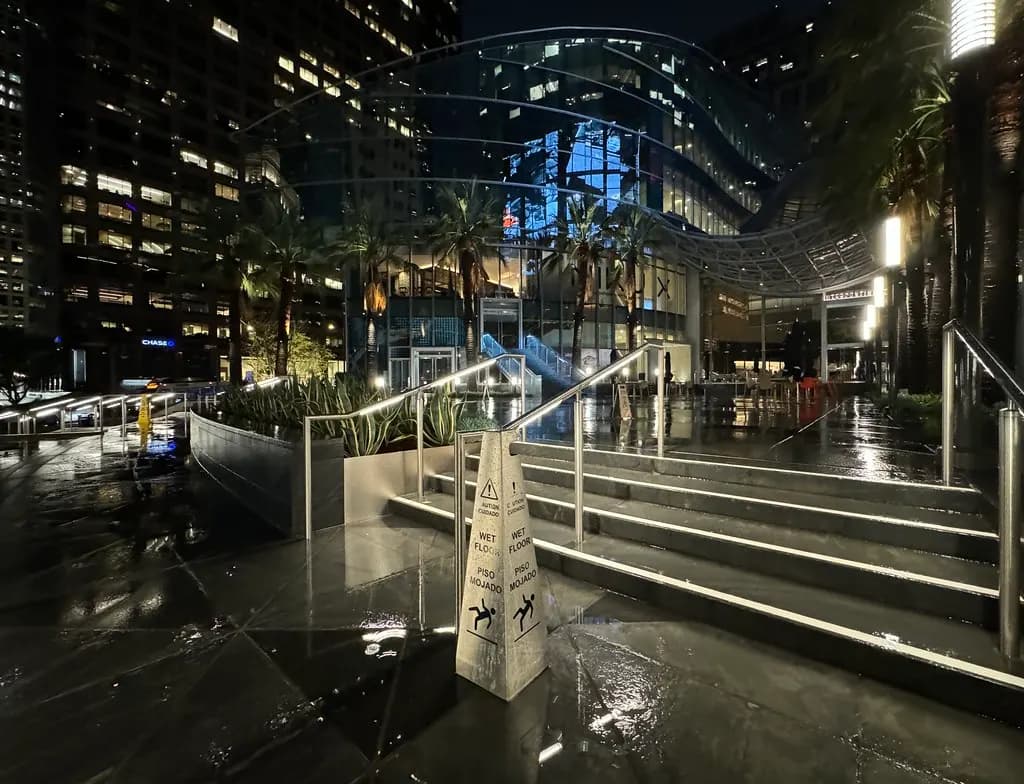
The government's business.gov.au describes public liability insurance as cover for when someone dies, is injured or has property damaged because of your negligence. In practice, a policy usually pays the compensation you're legally liable for, the claimant's legal costs if you're ordered to pay them, and your own costs of defending the claim. Typical events include a customer slipping on a wet floor in your shop, a tradie's ladder falling onto a client's car, a fire caused by a heat gun in a customer's roof, or food poisoning from a café.
What it doesn't cover matters just as much. Public liability is about third parties, so it excludes injuries to your own workers — that's workers compensation, which is compulsory once you employ anyone. It doesn't pay for damage to your own tools, stock or premises, which is property insurance. It won't cover financial loss caused by bad advice or a design error; that's professional indemnity insurance. Most policies also exclude deliberate acts, fines and penalties, liability you accepted under a contract beyond what the law would impose, and certain high-risk activities unless you've disclosed them and they're listed.
Product liability is often bundled into the same policy. business.gov.au says you may need it if you make, sell or supply goods, including through a repair or service — so a café, an online store importing products or a mechanic fitting parts usually needs both. Check that the product liability limit matches the public liability limit and that products sold online or exported are covered.
Which policy covers which risk?
| Risk | Policy that responds | Compulsory? |
|---|---|---|
Customer trips in your shop | Public liability | Contract or licence dependent |
Product you sold injures someone | Product liability (often bundled) | Contract dependent |
Client loses money from your advice | Professional indemnity | Required for some professions |
Your employee is injured at work | Workers compensation | Yes, for employers |
You're injured and can't work | Income protection / personal accident | No |
Your tools or stock are stolen | Portable equipment / contents | No |
Customer trips in your shop
- Policy that responds
Public liability
- Compulsory?
Contract or licence dependent
Product you sold injures someone
- Policy that responds
Product liability (often bundled)
- Compulsory?
Contract dependent
Client loses money from your advice
- Policy that responds
Professional indemnity
- Compulsory?
Required for some professions
Your employee is injured at work
- Policy that responds
Workers compensation
- Compulsory?
Yes, for employers
You're injured and can't work
- Policy that responds
Income protection / personal accident
- Compulsory?
No
Your tools or stock are stolen
- Policy that responds
Portable equipment / contents
- Compulsory?
No
Is public liability insurance compulsory?
There's no national law requiring every business to hold public liability insurance. business.gov.au puts it in the "may need by law" group because some states and territories require it for particular occupations, usually as a condition of a licence.
The clearest example is Queensland's electrical contractor licence. ABLIS, the government's licence finder, says applicants need public liability insurance of at least A$5 million and consumer protection insurance of at least A$50,000. The Insurance Council of Australia's 2026 submission to Parliament notes that licensed occupations such as electricians, plumbers and builders may have to hold public liability cover as a condition of registration in some states. In Victoria, licensed plumbers must hold the insurance set by a ministerial insurance order, and the building regulator's guidance says it must include public and completed work liability cover of at least A$5 million, running for six years after the work is finished. Because rules differ by trade and state, search your occupation on ABLIS before you apply for a licence.
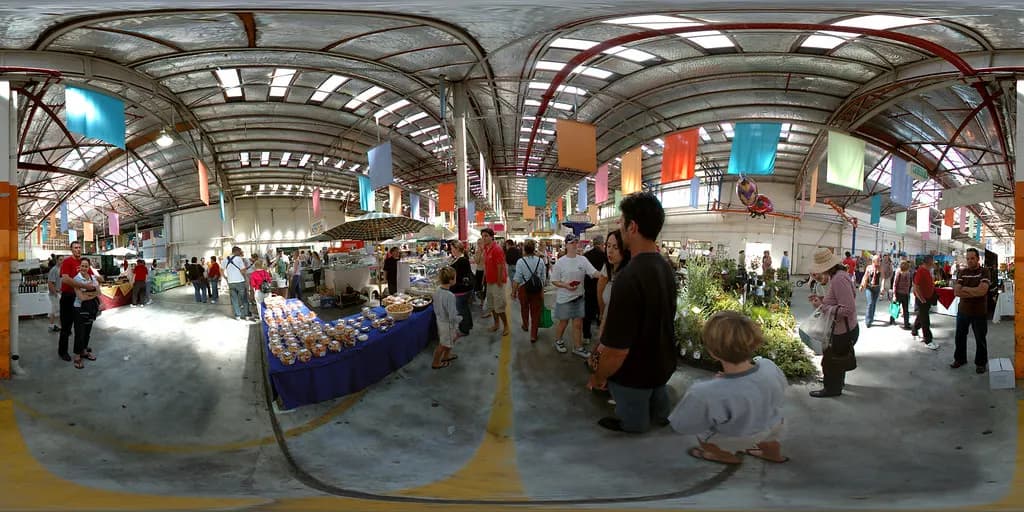
The far more common trigger is a contract. A shopping centre lease will name a minimum limit and require the landlord to be noted on your policy. Councils ask for cover before granting footpath dining, street stall or market permits; Northern Beaches Council, for example, requires stallholders with their own policy to hold at least A$20 million and attach a certificate of currency. Head contractors on building sites, event organisers, schools, strata managers and government agencies all write minimum limits into their supplier terms. If you can't show the certificate, you don't get the work.
Choosing your limit: A$5m, A$10m or A$20m
The limit is the most an insurer will pay for any one claim (and sometimes in total for products claims over the policy year). Start with the highest figure anyone you deal with requires. If a council market asks for A$20 million and every other client asks for A$10 million, you need A$20 million — you can't hold a separate policy per customer.
Then test it against a realistic worst case. A serious spinal injury to a young person can produce a damages award well into the millions once lost earnings, care costs and legal costs are added. Hospitality, live entertainment, outdoor recreation and businesses working with children are the sectors the Insurance Council says have been hardest hit by rising claims and premiums. A bookkeeper who visits clients occasionally has a very different exposure from a roofing contractor.
The step from A$10 million to A$20 million is often cheaper than people expect, because most claims are small and the extra layer is rarely used. Ask for quotes at each limit before deciding.
| Situation | Limit commonly requested | Who sets it |
|---|---|---|
| Queensland electrical contractor licence | At least A$5 million | State licence (ABLIS) |
| Victorian licensed plumber | At least A$5 million (public and completed work liability) | Ministerial insurance order |
| NSW council street stall or market | Often A$20 million | Council permit conditions |
| Retail or office lease | A$10m–A$20m is common | Landlord's lease |
| Subcontracting on a commercial building site | A$10m–A$20m is common | Head contractor |
| Home-based consultant visiting clients | A$5m–A$10m | Client terms (if any) |
The lease, site and consultant rows are typical market practice, not legal minimums — always read the contract you're signing.
What public liability insurance costs
There's no official price list, so treat every figure here as an estimate. Broker price guides published in 2026 suggest many low-risk small businesses pay roughly A$400 to A$1,500 a year for A$5–10 million of cover, with A$20 million limits and higher-risk trades costing more. A single-person office business can pay a few hundred dollars; a scaffolder, a nightclub or an adventure-tour operator can pay many thousands.
Premiums have risen sharply. The Insurance Council of Australia told the parliamentary inquiry in March 2026 that the average cost of public liability insurance has increased by 55–60% since 2019, driven by higher legal costs, more psychological injury claims, medical inflation and dearer reinsurance. It also said premium growth has slowed recently as competition returns, though high-risk sectors still struggle to find cover.
What drives your own quote:
- Occupation and activities. The insurer classes your business by what you actually do. Leaving out an activity, such as working at heights, can void cover for that work.
- Turnover or wages. Bigger businesses have more customer contact.
- Claims history. Previous claims push premiums up and may raise your excess.
- Limit and excess. A higher excess lowers the premium but you pay more of each claim.
- Location and premises. Foot traffic, alcohol, stairs and public events all add risk.
The price you see also includes taxes. GST of 10% applies to general insurance, and each state charges insurance duty. In Victoria, duty on business insurance is 7% for policies taken out or renewed from 1 July 2026, falling one percentage point a year until it's abolished from 1 July 2033; non-business general insurance still attracts 10%. In NSW, general insurance carries 9% duty, but a CGT small business — aggregated turnover under A$2 million — is exempt for public and product liability, occupational indemnity and commercial vehicle policies if it gives the insurer a declaration. Only the insured can make that declaration, and it lasts for one financial year, so renew it each year.
Public liability in numbers (2026)
55–60%
Rise in average cost since 2019
Insurance Council of Australia, March 2026
A$20 million
Typical council stall requirement
NSW council example
7%
Victorian business insurance duty
2026–27, falling yearly
A$2 million
NSW duty exemption turnover
Public and product liability
Sole traders, subcontractors and certificates of currency
A sole trader and their business are the same legal person, so a judgment against the business can reach personal assets — your home, car and savings. That's why public liability is usually the first policy a sole trader buys. Our sole trader guide explains the liability point in more detail. Remember the policy protects other people from you; it pays nothing if you're the one injured. Sole traders aren't covered by workers compensation either, so look at income protection for sole traders for that gap.
Subcontractors generally need their own policy. A head contractor's policy may not extend to an independent subcontractor's work, and site contracts usually say so. Before a job starts you'll be asked for a certificate of currency showing the insured name (which must match your ABN entity), the limit, the policy period and sometimes the head contractor as an interested party. If you take on your own subcontractors, ask for theirs — if an uninsured subbie causes damage, the claimant will look to you.
Name the right entity. If you trade through a company or trust, the policy should be in that entity's name, with directors and employees covered as insureds. A policy in your personal name won't respond to a claim against your company.
Worked examples in A$
These examples use assumed premiums to show how the pieces fit together. They're illustrations, not quotes.
1. A Canberra candle maker at weekend markets. The organiser requires A$20 million of public and product liability. She sells products she makes, so she needs product liability as well as public liability. Suppose the quote is A$520 a year. If she's registered for GST, she claims back the GST in the premium (excluding any duty) on her BAS, and deducts the rest as a business expense.
2. A Melbourne cleaning business. A sole trader cleaner takes out a A$10 million policy in October 2026. Suppose the base premium is A$800. GST at 10% adds A$80, and Victorian business insurance duty at 7% — generally calculated on the GST-inclusive premium — adds about A$62, so the bill is about A$942. Two years earlier the duty would have been higher; by 2033 it will be gone.
3. A Sydney café with A$1.2 million turnover. As a CGT small business under A$2 million, the café ticks the small business declaration on its renewal, so no NSW duty applies to the public and product liability section of its package. Without the declaration, 9% duty would be added to that part of the premium. The café's contents and business interruption sections are still dutiable.
4. A Brisbane electrician. His licence needs at least A$5 million of public liability and A$50,000 of consumer protection cover, but the builders he works for want A$20 million. He buys A$20 million — meeting the licence minimum is not enough to win the work.
5. A claim. A customer slips in a Perth gift shop and fractures a wrist. The shop's policy has a A$1,000 excess. The insurer manages the claim, pays a settlement of A$45,000 plus legal costs, and the shop pays the A$1,000 excess. At renewal, the premium rises because of the claim. Without insurance, the shop owner would have faced the whole bill personally if trading as a sole trader.
Before you buy or renew
0/8Claims, disclosure and your rights
When an incident happens, record what happened, take photos, get witness details and notify your insurer or broker promptly, even if no one has made a claim yet. Don't admit liability or offer to pay — most policies require you to leave that to the insurer.
Be accurate when you apply and renew. Business insurance is not a "consumer insurance contract", so the duty of disclosure in section 21 of the Insurance Contracts Act 1984 still applies: you must tell the insurer anything you know, or a reasonable person would know, is relevant to its decision. The newer, lighter "reasonable care" duty applies only to policies bought mainly for personal or household purposes. Leaving out a past claim or a risky activity can let the insurer reduce or refuse a claim.
Most general insurers subscribe to the General Insurance Code of Practice. Under the current Code, insurers should decide a claim within 4 months of receiving it (longer in limited cases, such as suspected fraud) and decide a complaint within 30 calendar days. The Code treats a business as a small business if it employs fewer than 20 people, or fewer than 100 if it manufactures goods. If you're unhappy with the outcome, small businesses can take the complaint to the Australian Financial Complaints Authority (AFCA), which is free. Since 5 April 2021, unfair contract terms laws also protect small businesses buying standard-form insurance.
Making a public liability claim
- 1
Make the scene safe and record it
Photos, time, witnesses, CCTV and what the injured person said.
- 2
Don't admit liability
Be courteous, help the person, but leave fault and payment to the insurer.
- 3
Notify the insurer or broker
Do it promptly, even before a formal claim arrives, and forward any letter of demand unanswered.
- 4
Co-operate and keep records
Provide documents and statements; the insurer usually appoints its own lawyers.
- 5
Escalate if needed
Use the insurer's complaints process, then AFCA if you're still unhappy.
Tax and GST on your premium
The ATO lists insurance premiums — including public risk, professional indemnity and workers compensation — among the operating expenses a business can generally deduct in the year it incurs them. If you pay a year in advance, small businesses can usually deduct the whole premium straight away under the 12-month rule, as long as the period of cover is 12 months or less and ends by the end of the next income year.
For GST, the ATO says registered businesses claim a credit for the GST in the premium, reporting the premium less stamp duty. There's no GST credit on the excess you pay your insurer. Tell your insurer the percentage of GST credits you're entitled to before you make any claim; if you understate it, you may have to pay GST on the settlement. Our GST in Australia guide covers BAS reporting.
What changed in 2025–26
Recent and upcoming milestones
1 July 2024
Victoria starts cutting business insurance duty by 1 point a year
30 Oct 2025
Parliament refers small business insurance inquiry
24 Jun – 21 Jul 2026
Consultation on redrafted General Insurance Code
1 July 2026
Victorian business insurance duty falls to 7%
27 October 2026
Inquiry report due
1 July 2033
Victorian business insurance duty abolished
- Parliamentary inquiry. The Parliamentary Joint Committee on Corporations and Financial Services began an inquiry into small business insurance on 30 October 2025, covering access to and affordability of public liability, professional indemnity, cyber and business interruption cover. Submissions closed on 6 March 2026 and the report is due on 27 October 2026.
- New Code of Practice in progress. The Insurance Council consulted on a redrafted General Insurance Code of Practice from 24 June to 21 July 2026 and has committed to seek ASIC approval. Until a new Code takes effect, the current version applies. ASIC's September 2026 letter to insurers lists better outcomes for consumers and small business as its key priority.
- Victorian duty cut. Business insurance duty in Victoria is now 7%, down from 10% before 1 July 2024, and keeps falling each 1 July.
Common mistakes
- Wrong business description. If you've added a new service — say, a cleaner who starts doing roof gutters — tell the insurer, or that work may not be covered.
- Policy in the wrong name. A personal policy won't cover your company.
- Assuming the head contractor covers you. Usually it doesn't; bring your own policy.
- Forgetting product liability. Selling or repairing goods needs it, including online.
- Letting it lapse between jobs. Claims can surface months later; keep continuous cover.
- Not claiming the NSW duty exemption. Eligible small businesses must declare it at each renewal.
Official links
- business.gov.au — Types of business insuranceWhat each policy covers and which may be compulsory
- ABLIS — find licences and their insurance conditionsSearch your trade and state
- ATO — Deductions for other operating expensesInsurance premiums are deductible
- ATO — GST and insuranceGST credits, excess and settlements
- Revenue NSW — Insurance duty small business exemptionDeclaration for public and product liability
- SRO Victoria — Insurance duty current ratesBusiness insurance duty phase-out
- AFCA — make a complaintFree external dispute resolution
Next steps
List every contract, lease, licence and permit you hold and write down the public liability limit each one demands — that's your minimum. Get quotes at that limit and one step above, check that product liability is included if you sell or repair goods, and diary your renewal date and NSW duty declaration. Then build the premium into your costs with the startup cost calculator and read our overview of business insurance in Australia to see which other policies you may need.
This is general information, not legal or tax advice — confirm on the official source or with a professional.
Frequently asked questions
Not for every business. No national law requires it, but some state licences do — for example, a Queensland electrical contractor licence needs at least A$5 million of public liability cover. Far more often it's required by contract: landlords, councils, market organisers, head contractors and government buyers usually won't let you start work without a certificate of currency.
Most small businesses choose A$5 million, A$10 million or A$20 million. Pick the highest limit any client, landlord or council asks of you, then check it against your worst realistic claim. Many NSW councils ask stallholders and street-stall applicants for A$20 million, and many building sites and venues expect A$10 million or more.
There's no official average. Broker price guides published in 2026 suggest many low-risk small businesses pay roughly A$400–A$1,500 a year for A$5–10 million of cover, with trades and hospitality paying more. The Insurance Council of Australia says average public liability costs rose 55–60% between 2019 and early 2026. Your quote depends on your trade, turnover, claims history and limit.
Usually, yes, if you deal with the public, work on other people's premises or sell at markets. As a sole trader you are personally liable, so a successful injury claim can reach your house and savings. Most clients and venues also insist on it. Public liability doesn't cover your own injuries — that needs income protection or personal accident cover.
Yes. The ATO lists public risk insurance premiums among business operating expenses you can generally deduct in the year you incur them. If you're registered for GST you can also claim a GST credit on the premium (not on the stamp duty component), and you should tell your insurer your GST credit entitlement before you make any claim.
It's a one-page document from your insurer or broker confirming your policy is active, the insured name, the cover limit and the policy period. Councils, landlords and head contractors ask for it before you start work. Some also want to be noted as an 'interested party' on your policy, which your insurer can usually add at no cost.
Sources & verification
Figures on this page were checked against the sources below when it was last reviewed on 13 October 2026. Each rate and limit is stored once with its own official source and review date, and official update channels are monitored daily so changes are picked up. How we verify
- 1.Types of business insurance — business.gov.au (Australian Government) · accessed 13 October 2026
- 2.Electrical contractor licence — Queensland — ABLIS (business.gov.au) · accessed 13 October 2026
- 3.Deductions for other operating expenses — Australian Taxation Office · accessed 13 October 2026
- 4.GST and insurance — Australian Taxation Office · accessed 13 October 2026
- 5.Insurance requirements for licensed plumbers — Victorian Building Authority (now Building and Plumbing Commission) · accessed 13 October 2026
- 6.Insurance policies — current rates — State Revenue Office Victoria · accessed 13 October 2026
- 7.Insurance duty — small business exemption — Revenue NSW · accessed 13 October 2026
- 8.Insurance duty — types of insurance — Revenue NSW · accessed 13 October 2026
- 9.General Insurance Code of Practice — Insurance Council of Australia · accessed 13 October 2026
- 10.ASIC's 2026–27 general insurance sector priorities (supervisory letter, 30 September 2026) — ASIC · accessed 13 October 2026
- 11.Small business insurance — public liability insurance (submission, 6 March 2026) — Insurance Council of Australia · accessed 13 October 2026
- 12.Small business insurance inquiry — Parliament of Australia · accessed 13 October 2026
- 13.Creative Made market — stallholder information — Northern Beaches Council · accessed 13 October 2026
- 14.Are you ready? Laws on unfair contract terms apply to insurance from 5 April 2021 — ASIC · accessed 13 October 2026
- 15.How much does public liability insurance cost in Australia? — Upcover (broker price guide) · accessed 13 October 2026
MSMETOOLS is an independent platform and is not affiliated with any government agency, ministry or department.
Tools for this
Startup Cost Calculator
Estimate how much capital you need to launch.
Budget Planner
Plan and track your business budget easily.
Profit Margin Calculator
Calculate profit, markup and margin for your products or services.
Related guides
 Professional Indemnity Insurance Australia 2026: GuideRead guide
 Business Insurance Australia 2026: Types & What's CompulsoryRead guide
 Income Protection for Sole Traders 2026: Tax & Waiting PeriodsRead guide
 Business Bank Account Australia (2026): What You NeedRead guide
Official links open the government site in a new tab.