 Starting & growing a business
How to Start a Business in NSW in 2026: Registrations, Licences, icare and Payroll Tax
How to start a business in NSW in 2026: ABN and ASIC steps, NSW licences via Service NSW, council approvals, icare, the A$1.2m payroll tax threshold and grants.
 Edited by Sumeet YadavFounder & editor, MSMETOOLS · fact-checked against official sources
Contents (12)
- 1. What's national and what's NSW-only
- 2. Step 1: Choose your structure
- 3. Step 2: Register nationally — ABN, business name, company
- 4. Step 3: NSW licences and permits
- 5. Step 4: Council approvals for your premises
- 6. Step 5: Bank account, insurance and icare
- 7. Step 6: Hiring staff in NSW
- 8. Step 7: Payroll tax in NSW
- 9. Worked examples in A$
- 10. Grants and free support in NSW
- 11. Common mistakes when starting in NSW
- 12. What to do next
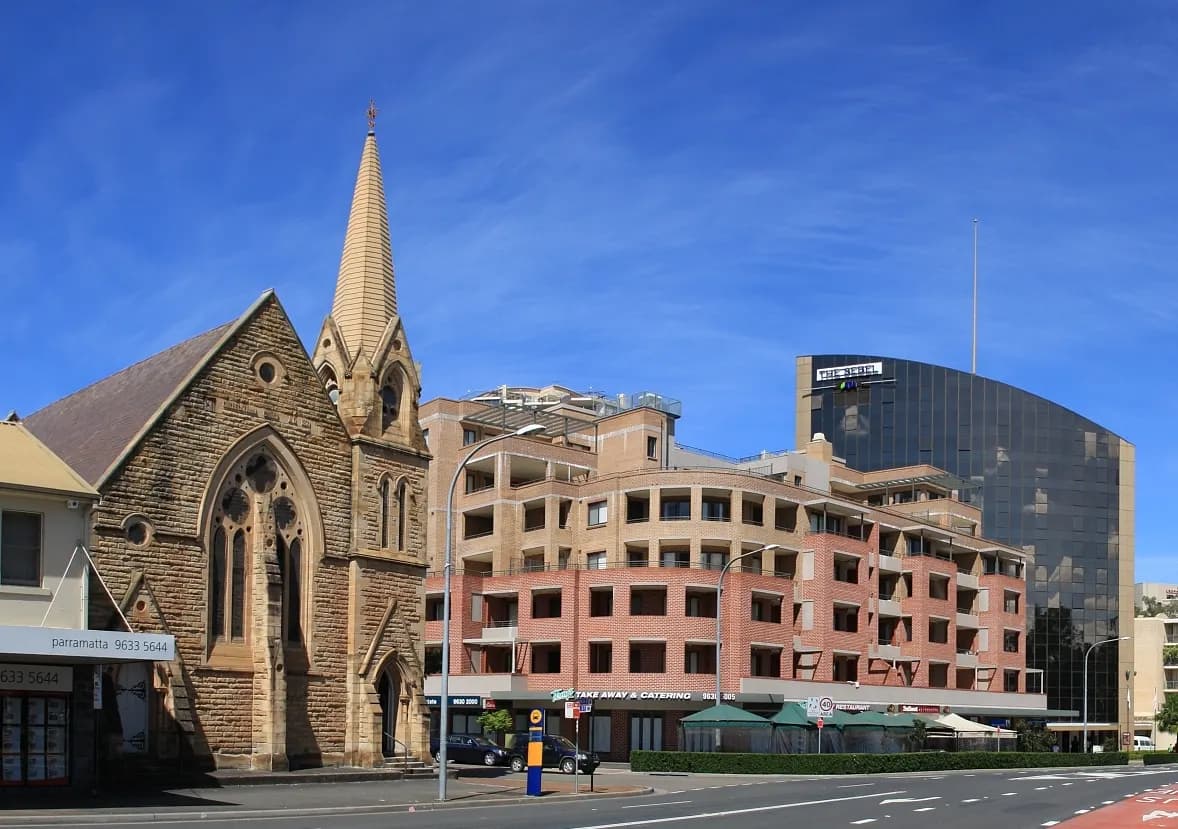
Starting a business in New South Wales means dealing with three layers of government at once. The Commonwealth handles your ABN, business name, company and tax. The NSW Government licenses many trades and activities, runs workers insurance through icare and collects payroll tax. And your local council decides what you can do in your premises. This guide is for anyone setting up in NSW in 2026 — a sole trader in Parramatta, a café company in Newcastle, a tradie on the Central Coast. It sets out each step in order, shows which steps are NSW-specific, and works through two examples in A$.
Quick answer
To start a business in NSW: choose a structure, get a free ABN and register a business name or company nationally, then sort the NSW-specific layer — licences through Service NSW, council approvals for premises and food, an icare workers insurance policy once you employ, and payroll tax only once Australian wages pass A$1.2 million. The Service NSW Business Bureau gives free help on 13 77 88.
ABN free; business name A$47 a year; company A$636
Trade licences, liquor and many permits are NSW Government licences
icare policy needed unless wages are A$7,500 or less (no apprentices, not grouped)
Payroll tax: 5.45% above A$1.2 million in 2026-27
Food businesses need council notification and often a Food Safety Supervisor
What's national and what's NSW-only
A common misunderstanding is that you "register a business in NSW". You don't — not in the general sense. Business names have been registered nationally with ASIC since 2012, and companies, ABNs and tax registrations are federal. That means the first half of the job is identical in every state, and our national guide on how to start a business in Australia covers it in depth.
What's specific to NSW is the second half: occupational and activity licences, council approvals, icare, payroll tax and the support services the state runs. Getting the order right matters, because many NSW licence applications ask for your ABN or ACN, and a council food notification asks who the proprietor is.
Starting a business in NSW, in order
Step 1
Choose a structure
Step 2
ABN + business name or company
national
Step 3
NSW licences
Service NSW / regulators
Step 4
Council approvals
premises, food, signs
Step 5
Bank, insurance, icare
before you hire
Step 6
Payroll tax
only above the threshold
Step 1: Choose your structure
Most NSW start-ups begin as a sole trader: you trade in your own name, use your own tax file number and pay individual tax rates. It's cheap and quick, but you're personally liable for business debts. A company is a separate legal entity, pays the company tax rate of 25% if it's a base rate entity, and generally limits your liability — but it costs more to set up and run, and directors take on legal duties. Partnerships and trusts are the other common options.
The structure decision flows through everything else in NSW. A company holding a contractor licence needs its own licence and a nominated supervisor. A company director employed by their own company counts as a worker for icare in some cases. And payroll tax grouping looks at all the entities you control. Our sole trader guide and company registration guide go through the trade-offs.
Step 2: Register nationally — ABN, business name, company
Apply for an ABN through the Business Registration Service; it costs free, and online applications are often approved immediately. If ATO checks are needed, it can take up to 20 business days. Our ABN registration guide explains who is entitled to one and how to avoid rejections.
If you trade under any name other than your own personal name (or your company's exact name), register a business name with ASIC: A$47 for one year or A$108 for three. To incorporate, register a company with ASIC for A$636; each director needs a director ID first. Then register for GST within 21 days of your turnover reaching A$75,000, and for PAYG withholding before you pay your first employee.
Step 3: NSW licences and permits
NSW licenses a long list of occupations and activities. The quickest way to get a complete list for your business is ABLIS, the Australian Business Licence and Information Service, which combines federal, NSW and council requirements by activity and location. The Service NSW Business Bureau's Business Concierge can also walk you through it free of charge.
The licences new NSW businesses most often need are:
| Activity | What you need | Who issues it |
|---|---|---|
| Residential building work over A$5,000 (labour and materials incl. GST) | Contractor licence (and a company or partnership needs its own) | NSW Fair Trading / Building Commission NSW, applied for through Service NSW |
| Electrical, plumbing, gasfitting, air-conditioning | Licence at any job value | NSW Fair Trading via Service NSW |
| Selling alcohol | Liquor licence | Liquor & Gaming NSW |
| Retail food, cafés, takeaway | Notify your food business; appoint a Food Safety Supervisor where required | Local council / NSW Food Authority |
| Food manufacturing, meat, seafood, dairy | Food Authority licence | NSW Food Authority |
| Security, motor dealing, real estate, tow trucks | Occupational licence | NSW Police / NSW Fair Trading, via Service NSW |
Building and trade licences
In NSW you need a contractor licence to do, contract for or advertise residential building work valued at more than A$5,000 (labour and materials incl. GST), counting labour and materials including GST. The same rule applies to subcontractors on a bigger job. Electrical wiring, plumbing, drainage, gasfitting and air-conditioning and refrigeration work need a licence at any value. If you trade through a company or partnership, the entity needs its own contractor licence with a qualified supervisor nominated. Advertisements must show the licensee's name and licence number.
Food businesses
Most retail food businesses in NSW — cafés, restaurants, takeaways, caterers, mobile vendors — are regulated by the local council under the Food Act 2003, with the NSW Food Authority setting the rules. You must notify your food business to the relevant authority, which is usually your council. Retail, hospitality and food service businesses that sell food that is ready to eat, potentially hazardous (needs temperature control) and not in the supplier's original packaging must appoint at least one Food Safety Supervisor per premises before they start selling it. FSS certificates last five years; if your FSS leaves or their certificate lapses, you have 30 days to appoint a new one, and a copy must be kept on the premises.
Step 4: Council approvals for your premises
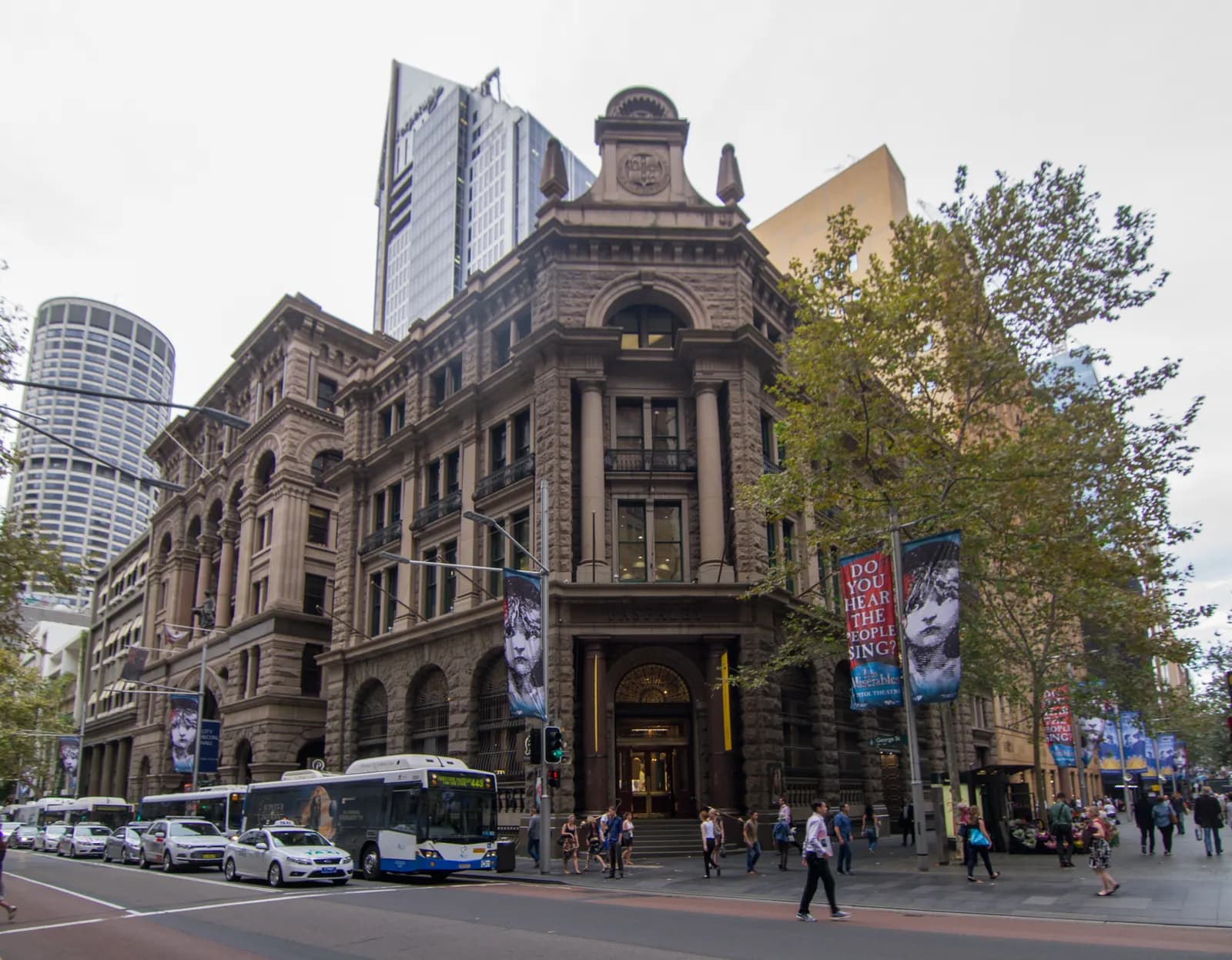
Before you sign a lease, check with the council that your planned use is allowed at that address. A change of use — say, turning a clothing shop into a café — or a fit-out may need a development application, or it may fit within exempt or complying development rules that are faster and cheaper. Councils also handle signage, outdoor dining on footpaths, trade waste and food premises inspections.
For a home-based business, many low-impact activities don't need council approval, but customers visiting, staff, signs, food preparation or noise can change that. Ask the council's duty planner before you start, and ask your landlord or strata if you rent or live in an apartment.
Lease terms are a common trap. The NSW Small Business Commission provides information and mediation on retail lease disputes, and it's worth reading the disclosure statement carefully and getting advice before you sign a multi-year lease with personal guarantees.
Step 5: Bank account, insurance and icare
Open a business bank account — partnerships, companies and trusts must have one; sole traders are strongly advised to. Our business bank account guide lists what banks ask for and the card surcharging change that took effect on 1 October 2026.
Then sort insurance. Public liability is usually required by landlords and councils, professional indemnity is compulsory for some professions, and compulsory third party is included in vehicle registration. The one most likely to be legally required is workers insurance.
icare workers insurance
In NSW, workers compensation is provided through icare's Nominated Insurer, with policies managed by scheme agents. You must hold a policy once you employ workers unless you pay A$7,500 or less in total wages in the financial year, don't employ an apprentice or trainee, and aren't part of a group of related businesses. Payments to contractors who are deemed workers count towards that figure. If your wages are going to pass the threshold, take out the policy before they do.
Your premium is based on your estimated wages and the industry rate for your business. icare has kept its target average collection rate at 1.99% of wages for 2026-27, and premium increases for experience-rated employers are capped at 25% for policies from 30 June 2026. At renewal you declare actual wages; leaving the declaration outstanding can mean a 30% wage loading. As a sole trader you aren't a worker, so the policy doesn't cover you. Our workers compensation guide compares the states.
NSW numbers to know (2026)
A$1.2 million
Payroll tax threshold
2026-27
5.45%
Payroll tax rate above it
A$7,500
icare: wages at or below which no policy is needed
no apprentices, not grouped
1.99%
icare target average premium rate
2026-27
A$5,000 (labour and materials incl. GST)
Building work needing a contractor licence
above this value
Step 6: Hiring staff in NSW
Most NSW private-sector employers are in the national Fair Work system, so wages and conditions come from modern awards and the National Employment Standards — the same as in other states. From 1 July 2026 the national minimum wage is A$26.44 an hour, and super guarantee is 12%, paid with each pay cycle under Payday Super. See our minimum wage guide and superannuation guarantee guide.
What's NSW-specific is icare (above), work health and safety enforcement by SafeWork NSW, and some state-run apprenticeship and training programs. Before your first hire, register for PAYG withholding with the ATO, set up Single Touch Payroll in your payroll software, take out the icare policy if you'll pass the exemption, and give the employee the Fair Work Information Statement.
Your first NSW employee — checklist in order
- 1
Register for PAYG withholding
PAYG withholding guideDo it with the ATO before the first pay run.
- 2
Take out an icare policy
Required unless wages stay at or below A$7,500 with no apprentices and no group.
- 3
Check the award and pay rate
Use Fair Work's tools to find the right modern award and classification.
- 4
Set up STP payroll and Payday Super
Report each pay to the ATO and pay super with each pay cycle.
- 5
Give the required statements
Fair Work Information Statement, and the Casual Employment Information Statement for casuals.
Step 7: Payroll tax in NSW
Payroll tax is a NSW Government tax on wages, administered by Revenue NSW. For 2026-27 the annual threshold is A$1.2 million and the rate is 5.45% on wages above it. "Wages" includes super, fringe benefits, directors' fees and some contractor payments, so you'll hit the threshold sooner than salary alone suggests.
You must register with Revenue NSW when your total Australian wages pass the monthly threshold in any month — A$101,918 in a 31-day month, A$98,630 in a 30-day month and A$92,055 in February. Related businesses are grouped and share one threshold, and if you pay wages in another state as well, NSW only lets you claim a share. For a full explanation, including the contractor rules, read our payroll tax by state guide.
Most new businesses are a long way from the threshold — At A$80,000 a year per person including super, A$1.2 million of wages is 15 full-time staff. But a growing business should watch it from about A$900,000, because the first sign of a missed registration is often a letter from Revenue NSW after it matches your STP data.
Worked examples in A$
A Newcastle café run through a company
Mia and Tom set up a company to run a café in Newcastle. Their one-off government registration costs are the company at A$636 and an ABN at free. They trade under the company's name, so they don't need a separate business name. Each year the company pays the ASIC annual review fee of A$342.
Before opening, they check with the council that the shop's approved use covers a café, lodge the paperwork for the fit-out, notify the food business to the council and have a staff member complete Food Safety Supervisor training. They expect six staff and about A$320,000 of wages in the first year, so they take out an icare policy before the first shift. At an indicative 1.99% of wages — icare's target average rate, not their actual industry rate — that's about A$6,370 a year; their actual premium depends on the café industry rate and their wages declaration. Payroll tax doesn't apply: A$320,000 plus super is far below A$1.2 million. They register for GST from the start, because they expect turnover over A$75,000.
A sole-trader electrician in western Sydney
Raj leaves his employer to work for himself as an electrician. He already holds his qualified supervisor certificate, so he applies through Service NSW for an individual contractor licence covering electrical work, which he needs at any job value. He registers an ABN for free and a business name for A$108 for three years. He has no employees, so he doesn't need an icare policy — and he isn't covered by one — so he takes out personal income protection and public liability insurance instead. He registers for GST once he expects turnover to reach A$75,000, and his licence number goes on his van, quotes and website.
Government set-up costs in the two examples
| Item | Newcastle café company | Sole-trader electrician |
|---|---|---|
ABN | free | free |
Business name | Not needed (trades as the company) | A$108 for 3 years |
Company registration | A$636 + A$342 a year | Not applicable |
NSW licence | Food notification to council (fee set by council) | Contractor licence via Service NSW (fee set by NSW Fair Trading) |
icare policy | Yes — wages above A$7,500 | No — no employees |
Payroll tax | No — wages below A$1.2 million | No |
ABN
- Newcastle café company
free
- Sole-trader electrician
free
Business name
- Newcastle café company
Not needed (trades as the company)
- Sole-trader electrician
A$108 for 3 years
Company registration
- Newcastle café company
A$636 + A$342 a year
- Sole-trader electrician
Not applicable
NSW licence
- Newcastle café company
Food notification to council (fee set by council)
- Sole-trader electrician
Contractor licence via Service NSW (fee set by NSW Fair Trading)
icare policy
- Newcastle café company
Yes — wages above A$7,500
- Sole-trader electrician
No — no employees
Payroll tax
- Newcastle café company
No — wages below A$1.2 million
- Sole-trader electrician
No
Grants and free support in NSW
There's no general NSW grant for starting a business, and grant lists go stale quickly. When we checked in October 2026, the programs on offer for businesses were targeted. The Innovative Manufacturing Adoption Fund Stage 1 for established NSW manufacturers (A$10,000 to A$50,000) closed on 13 October 2026 (5 pm); watch the grants finder for a later round. Still open were a Great Western Highway closure small business support grant of A$10,000 for eligible businesses in Mount Victoria, Hartley, Little Hartley and Hartley Vale (applications close 22 January 2027), and the Batteries for Businesses incentive. October is also NSW Small Business Month, with free events run by councils and business groups. Check the NSW grants finder for the current list and read our small business grants guide for federal programs.
Free advice is more reliable than grants. The Service NSW Business Bureau runs Business Concierge — free, one-on-one help with setting up, licences and government programs — on 13 77 88, Monday to Friday, 8am to 5pm Sydney time. Its Small Business Advisory program gives eligible people thinking of starting or running a business up to four hours of independent advice per financial year, plus free events. The NSW Small Business Commission helps with disputes, including retail leases and late payments.
Common mistakes when starting in NSW
Signing a lease before checking the council's approved use. A café can't simply open in a shop approved for retail. Fix: speak to the council's duty planner first, and make the lease conditional on approvals where you can.
Doing building work just over the licence limit. A A$5,500 bathroom job needs a contractor licence. Fix: if your work regularly approaches A$5,000 (labour and materials incl. GST), get the licence.
Hiring before taking out icare. Wages above the exemption — or a single apprentice — mean you need a policy. Fix: arrange the policy before the first shift; it's quick to set up.
Forgetting the Food Safety Supervisor. Councils check this at inspection. Fix: complete the training before opening and keep the certificate on site.
Assuming payroll tax only counts salaries. Super, bonuses and fringe benefits count too. Fix: track total wages monthly against the threshold once you pass about A$80,000 a month.
Official links
- Service NSW Business Bureau — Starting a businessFree help, licences and industry guides
- Business ConciergeFree one-on-one support, 13 77 88
- Business Registration ServiceABN, business name and tax registrations
- Revenue NSW — Payroll tax thresholds and ratesAnnual and monthly thresholds
- icare — Workers insurance for employersWho needs a policy and 2026-27 premiums
- NSW Food Authority — Food Safety SupervisorsWho needs an FSS
- NSW Government — General building work licencesContractor licence rules
- NSW Government grants and fundingFilter by Business and Open
What to do next
Work out your set-up budget with our startup cost calculator, then apply for your ABN and book a free call with the Service NSW Business Bureau to confirm your licences. If you're comparing states, see our guides to starting a business in Victoria and Queensland.
This is general information, not legal or tax advice — confirm on the official source or with a professional.
Frequently asked questions
Not as a general rule. Your ABN, business name and company are national registrations through the Business Registration Service and ASIC, not NSW. NSW comes in for licences and permits — for example trade licences through Service NSW, liquor licences, food business notification with your council — plus icare workers insurance when you employ and payroll tax once wages pass A$1.2 million.
The national registrations are cheap: an ABN is free, a business name is A$47 for one year or A$108 for three, and a company costs A$636 to register. NSW licence and council fees depend on your industry and council. Your real costs are usually premises, fit-out, insurance, equipment and stock.
You need an icare workers insurance policy once you employ workers, unless your total wages for the year are A$7,500 or less, you have no apprentices or trainees, and you're not part of a group. A sole trader with no employees isn't a worker and isn't covered — consider personal accident or income protection insurance instead.
For 2026-27 the NSW threshold is A$1.2 million a year of Australian taxable wages, and the rate is 5.45% on wages above it. You must register with Revenue NSW once your Australian wages exceed the monthly threshold — A$101,918 in a 31-day month. Most new businesses are well below it.
There's no general start-up grant. NSW programs are targeted — for example, location-specific support grants and the Batteries for Businesses incentive. The Innovative Manufacturing Adoption Fund for established manufacturers closed its Stage 1 round on 13 October 2026. Use the NSW Government grants finder filtered to Business and Open, and the business.gov.au finder for federal programs.
The Service NSW Business Bureau offers free Business Concierge support on 13 77 88, and its Small Business Advisory program gives eligible people up to 4 hours of independent advice each financial year, in person, online or by phone. The NSW Small Business Commission helps with disputes such as leases and late payments.
Sources & verification
Figures on this page were checked against the sources below when it was last reviewed on 14 October 2026. Each rate and limit is stored once with its own official source and review date, and official update channels are monitored daily so changes are picked up. How we verify
- 1.Starting a business — Service NSW Business Bureau · accessed 11 October 2026
- 2.Personalised support for your business (Business Concierge) — Service NSW Business Bureau · accessed 11 October 2026
- 3.Small Business Advisory — Service NSW Business Bureau · accessed 11 October 2026
- 4.Payroll tax thresholds and rates — Revenue NSW · accessed 11 October 2026
- 5.Workers compensation reform FAQs — icare NSW · accessed 14 October 2026
- 6.Do I need Workers Compensation Insurance? — icare NSW · accessed 14 October 2026
- 7.Innovative Manufacturing Adoption Fund Stage 1 — NSW Government · accessed 14 October 2026
- 8.Food Safety Supervisors (FSS) — NSW Food Authority · accessed 11 October 2026
- 9.General building work — NSW Government · accessed 11 October 2026
- 10.Grants and funding — NSW Government · accessed 11 October 2026
- 11.Set up your business bank account — business.gov.au · accessed 11 October 2026
MSMETOOLS is an independent platform and is not affiliated with any government agency, ministry or department.
Tools for this
Startup Cost Calculator
Estimate how much capital you need to launch.
Business Plan Generator (US)
Create a professional business plan for US investors and banks.
Business Name Generator
Find unique business names.
Related guides
 How to Start a Business in Victoria (2026): Full GuideRead guide
 How to Start a Business in Queensland (2026): Full GuideRead guide
 How to Start a Business in Tasmania (2026): Step-by-StepRead guide
 Small Business Grants Australia 2026: What's Actually OpenRead guide
Official links open the government site in a new tab.