 Business registration & legal
Confirmation Statement in 2026: Fee, Deadline, What You Confirm and How to File
Confirmation statement (CS01) in 2026: the fee, 14-day deadline, lawful purpose and email rules, director ID checks, penalties and a worked example.
 Edited by Sumeet YadavFounder & editor, MSMETOOLS · fact-checked against official sources
Contents (10)
- 1. What a confirmation statement is
- 2. The fee and the payment period
- 3. When it's due: review period and confirmation date
- 4. What you confirm in the statement
- 5. Identity verification and the confirmation statement
- 6. Paper form CS01
- 7. What happens if you don't file
- 8. Worked example: a first confirmation statement under the new rules
- 9. Common mistakes and how to avoid them
- 10. What to do next
The confirmation statement is the one filing every UK company makes every year, whether it trades, sits dormant or has just been set up. It's short, it costs £50, and it doesn't involve any figures, which is why it's so easy to forget. Since the Economic Crime and Corporate Transparency Act reforms, it has also become the point where Companies House checks that every director has verified their identity. This guide explains how the statement works in 2026: the fee and payment period, the review date and the 14 days window, what you confirm, how to file, what happens if you don't, and a dated example for a small company.
Quick answer
A confirmation statement (form CS01) confirms that the information Companies House holds about your company is correct. You must file one at least every 12 months, within 14 days of the end of your review period. It costs £50 online or £110 on paper, paid once per 12-month payment period.
File even if nothing has changed, and even if the company is dormant
Every director must have verified their identity, or the statement is rejected
You confirm the company's intended future activities are lawful
Not filing: fines up to £5,000, financial penalties and strike-off
What a confirmation statement is
A confirmation statement is a declaration, made at least once a year, that the company's details on the public register are up to date. It replaced the old annual return (form AR01) on 30 June 2016. Unlike annual accounts, it has no financial figures. It's a check that the register is right: the registered office, registered email address, directors, company secretary if you have one, people with significant control (PSCs), shareholders, share capital and the company's business activity (SIC) code.
The statement isn't the place to report most changes. Companies House expects you to file changes as they happen, using the separate online services or forms: a new director or secretary within 14 days, a new registered office address, or a new PSC. Its guidance says you must make those changes before filing the confirmation statement, then confirm that everything is accurate. A few items, such as the SIC code, the statement of capital, the trading status of shares and shareholder details, can be updated in the statement itself.
| Change | How you report it | When |
|---|---|---|
| New director or director leaves | Online service or AP01 / TM01 (new directors give their personal code) | Within 14 days |
| Company secretary appointed or leaves | Online service or AP03 / TM02 | Within 14 days |
| Registered office address | Online service or AD01 (free) | Takes effect when registered |
| Registered email address | Online service or EM01 | Keep it current at all times |
| New or changed PSC | Online PSC services | Within 14 days |
| New shares issued | SH01 | Within a month |
| SIC code, shareholders, statement of capital | In the confirmation statement itself | At the confirmation date |
Every company files one. That includes private and public companies, companies limited by guarantee, community interest companies, and dormant and non-trading companies. LLPs file their own version.
The fee and the payment period
The confirmation statement fee is £50 online or through filing software, and £110 on paper form CS01.
The fee is linked to a payment period, which is not the same as your review period. Companies House guidance says a payment period covers 12 months starting with the date of incorporation. For older companies that once filed annual returns, it ends on the anniversary of the last annual return's date. You can't change your payment period. You pay the fee with the first confirmation statement you file in each payment period, and any further statements in the same period are free. That matters if you file an extra statement to bring your review date forward or to correct something: you won't be charged twice in the same payment period.
Confirmation statement at a glance (2026)
£50
Fee online or by software
£110 on paper CS01
12 months
Maximum gap between statements
14 days
Time to file after the review period ends
£5,000
Maximum fine for not filing
Plus possible strike-off
When it's due: review period and confirmation date
Your review period ends 12 months after either the date of incorporation (for the first statement) or the "confirmation date" on your last statement. The end of the review period is your confirmation date. You then have 14 days to file. The 14 days is a grace window for filing, not an extra review period, so the information you confirm is as at the confirmation date.
How the yearly cycle runs
Step 1
Incorporation or last confirmation date
Step 2
12-month review period
Step 3
Confirmation date
end of the review period
Step 4
Filing window
14 days
Step 5
Next review period starts the day after
You don't have to wait for the review period to end. You can file early, but if you do, you choose a new confirmation date, and the next review period starts the day after it. Some companies use this to line up the confirmation statement with their accounts or a board meeting, so both jobs happen together. Filing early doesn't move your payment period.
Your exact dates are on the company's page on the Companies House register, under the company overview. Companies House also offers email reminders, and it emails the registered email address before the statement is due. If you use an accountant or formation agent, check whose job the statement is: many engagement letters cover the accounts but not the confirmation statement.
What you confirm in the statement
The statement asks you to confirm that the company's records on the register are accurate and up to date. The Economic Crime and Corporate Transparency Act added three new elements, which apply to every statement with a confirmation date from 4 March 2024.
The lawful purpose statement. You must state that the intended future activities of the company are lawful. It's a tick box, but Companies House won't accept the statement without it. It gives Companies House a clear basis to act if a company is later found to be used for fraud.
A registered email address. Every company must give Companies House a registered email address. Companies House uses it to contact the company, and it isn't published on the public register. The CS01 form defines an "appropriate" email address as one where emails sent by the registrar would be expected to come to the attention of someone acting for the company. Give one address only. A director's address or your accountant's address is fine if it meets that test, but if an agent's address is used, make sure messages reach you. If the company already has a registered email address and you want to change it, use the separate online service or form EM01, not the confirmation statement.
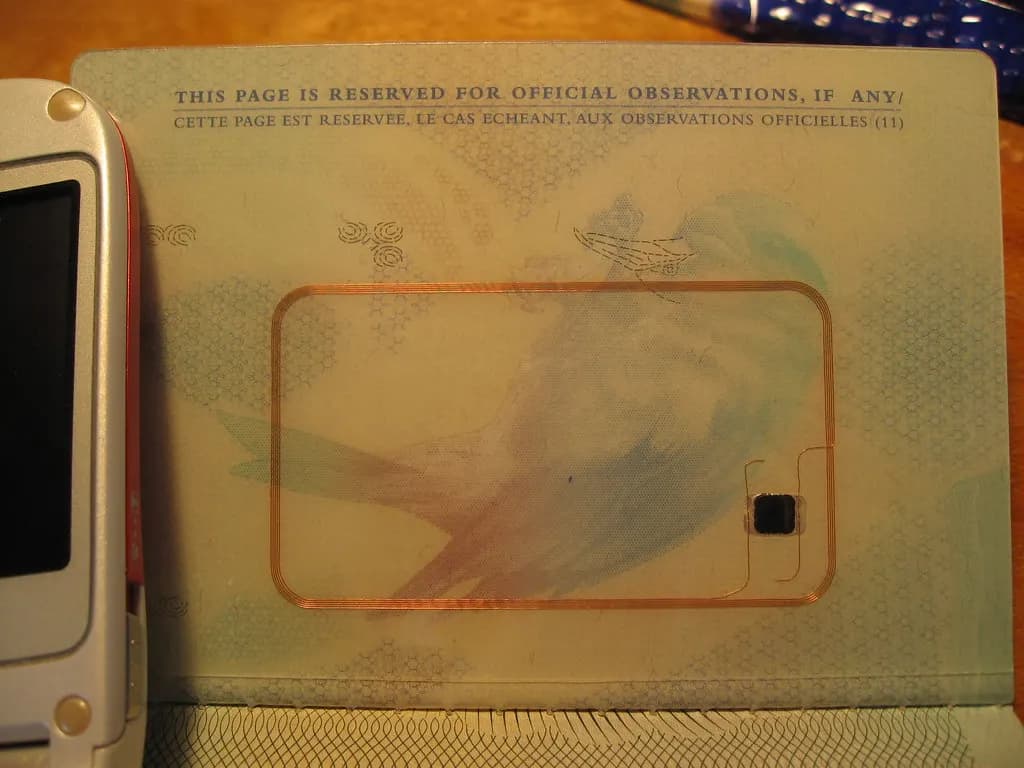
Identity verification. Since 18 November 2025, directors must verify their identity with Companies House. For existing directors, the confirmation statement is the checkpoint: you give each director's Companies House personal code and tick a box confirming they've verified. Companies House says it won't accept a company's confirmation statement until all its directors have verified.
You also confirm, or update in the statement:
- SIC code(s) describing what the company does. If the business has changed, update them here.
- Statement of capital, if the share capital has changed and you haven't already reported it. New share allotments should be reported within a month on their own form.
- Shareholder information, including transfers of shares during the review period.
- PSC information, or confirm the company has none. PSC changes must already be filed.
- Trading status of shares (whether any shares are traded on a market). For most small private companies, they're not.
Identity verification and the confirmation statement
The confirmation statement is where verification problems come to light, so deal with it well before the deadline.
Each director verifies once, personally, and gets a Companies House personal code. The code belongs to the person, not the company, so a director of several companies uses the same code for each. Companies House offers three free routes through GOV.UK One Login: using the app (which can read a biometric passport or photo ID), answering security questions online, or entering photo ID details online and finishing at a participating Post Office. Alternatively, an Authorised Corporate Service Provider (ACSP) such as an accountant or solicitor can verify you. They may charge, and they must be registered with Companies House and an anti-money-laundering supervisor. Never post or email identity documents to Companies House.
People with significant control have their own windows. Companies House guidance says a PSC who is also a director must give their code in the confirmation statement for the director role, and separately, as a PSC, within 14 days starting the day after the company's confirmation date. Filing the statement early doesn't move that window. A PSC who isn't a director must give their code within the first 14 days of their birth month. A PSC added to the register after 18 November 2025 can give it when they're added, or within 14 days.
People who only file for a company, including a company secretary who isn't a director, don't have to verify yet. Companies House says verification for people filing on a company's behalf will come later; it currently expects that to be no earlier than November 2027.
Filing your confirmation statement online
- 1
Check the register first
Look up the company on the Companies House register. Check the registered office, officers, PSCs, shareholders and SIC code, and note the confirmation date.
- 2
File any changes separately
Report new or departed directors, a new registered office, PSC changes or share allotments using their own services before you start the statement.
- 3
Collect every director's personal code
Each director must have verified their identity. Gather their personal codes. A director who hasn't verified blocks the filing.
Tip: Verification through GOV.UK One Login is free. Do it weeks ahead, not on deadline day.
- 4
Sign in and file
File your confirmation statementUse the online service with your company authentication code. Confirm the lawful purpose statement, give the registered email address if asked, update SIC, capital and shareholder details if needed, and enter the directors' codes.
- 5
Pay and keep the receipt
Pay £50 by card or account if it's the first statement in the payment period, and save the acceptance email.
Paper form CS01
You can still file on paper using form CS01, but it costs £110, more than twice the online fee, and takes longer to process. The paper route is mainly used where online filing isn't possible. One case where you must use it: if a company is being restored to the register, you file a paper CS01, and the confirmation date must be the one that was due before the company was struck off. Check with Companies House first if you're unsure of the date.
Unlike annual accounts, the confirmation statement isn't moving to software-only filing in April 2028. Companies House has said web filing remains available for non-accounts filings, including confirmation statements.

What happens if you don't file
There's no automatic late filing penalty for confirmation statements like the one for accounts. That doesn't mean nothing happens. Companies House guidance is clear that you can be fined up to £5,000 and the company may be struck off the register if you don't file.
Financial penalties. Since 2 May 2024, Companies House has been able to issue financial penalties itself, without going to court, for filing offences. Its published scale for 2026 runs from £250 to £2,000, depending on whether the offence is minor, serious or very serious and on how many offences there have been. Companies House normally sends a warning notice first and gives at least 28 days to put things right. If you comply within that time, it won't issue the penalty.
Prosecution. Failing to file is a criminal offence by the company and every officer in default. Companies House also treats a director acting while unverified as an offence under section 167M of the Companies Act, and it has said it may prosecute, refer directors to the Insolvency Service or issue penalties to companies that file without the identity verification statements.
Strike-off. If Companies House believes a company isn't carrying on business, which missing filings suggest, it can start compulsory strike-off. Notice is published in The Gazette, and if nothing is filed, the company is dissolved. Any money or property left in it passes to the Crown, and getting the company back means restoration, which costs £341 for the administrative route plus the outstanding filings. Banks, lenders and customers also check the register, and an overdue filing or a strike-off notice shows there for anyone to see.
Worked example: a first confirmation statement under the new rules
Harbour Bakes Ltd was incorporated on 3 November 2025 with two directors, Sam and Lee. Sam owns 60% of the shares and is a PSC. The company has an accountant for the accounts, but Sam files the confirmation statement himself.
Harbour Bakes Ltd — first confirmation statement
3 Nov 2025
Incorporated (before ID verification became mandatory on 18 November 2025)
Jun 2026
Appoints a third director, Ana. Ana verifies first and her personal code goes on the appointment filing
Aug 2026
Moves to a new unit and files the registered office change separately
2 Nov 2026
Review period ends: this is the confirmation date
By 16 Nov 2026
Statement must be filed (14 days window), fee £50
3–16 Nov 2026
Sam's PSC window: 14 days starting the day after the confirmation date
By 16 Nov 2027
Next statement (review period ends 2 Nov 2027)
In mid-October 2026, Sam checks the register. The new director and the new address are already showing, because both were filed when they happened. The company's SIC code still says 56103 (take-away food shops), but the business now only bakes for wholesale customers, so he'll update it in the statement to 10710 (manufacture of bread and fresh pastry goods and cakes).
Sam verified his identity in 2025 using the GOV.UK One Login app and has his personal code. Ana verified before she was appointed. Lee hasn't. Because Companies House won't accept the statement until all three directors are verified, Lee does it the same week. He tries the app, which can't read his older passport, so he chooses the Post Office route: he enters his driving licence details online and confirms his identity at a branch, and receives his personal code once the check is complete.
On 5 November, three days after the confirmation date and well within the 14 days window, Sam files online. He ticks the lawful purpose statement, confirms the registered email address, updates the SIC code, enters the three directors' personal codes and ticks the verification statements, and pays £50. Total cost: £50, and no adviser fees. Sam then gives his own code as a PSC using the separate PSC service by 16 November, because his PSC window runs for 14 days from the day after the confirmation date.
If Lee had left verification until 16 November and the Post Office route had taken longer, the statement would have gone late. That's an offence, and it's exactly the situation Companies House's warning letters and penalties are aimed at.
Common mistakes and how to avoid them
- Filing the statement to report a change. New directors, addresses and PSCs must be filed separately first. The statement then confirms that the register is right.
- Assuming the accountant does it. Check the engagement letter. If nobody is named, the directors are responsible.
- Leaving director verification late. One unverified director blocks the whole statement. Get every director's code a month ahead.
- Missing the PSC window. A PSC who is also a director has 14 days from the day after the confirmation date to give their code through the PSC service. It's a separate step from the statement.
- An unread registered email address. Companies House's reminders and warnings go there. If it's a formation agent's inbox or an ex-employee's address, update it with EM01 or the online service.
- Paying lookalike sites. Third-party sites sometimes send official-looking "renewal" invoices. The only fee is £50, paid to Companies House through its own service.
- Ignoring old SIC codes. If the business has changed, update the code. Lenders, insurers and grant schemes check it.
Before you file
0/7Official links
- File your confirmation statementOnline filing and paper CS01
- Confirmation statement guidanceReview period, payment period, filing early
- Filing your company's confirmation statementWhat to confirm and update
- Verify your identity for Companies HouseGOV.UK One Login, Post Office and ACSP routes
- When you need to verify your identityDirector and PSC deadlines
- Companies House fees£50 online, £110 paper
- Companies House approach to financial penaltiesPenalty scale and appeals
What to do next
Look up your company on the register and note your confirmation date. Make sure every director has a Companies House personal code and that the registered email address goes to someone who reads it. If any details are out of date, fix them now: our guides to changing your registered office address and company secretaries cover two of the most common changes. For the accounts side of the year, see the Companies House filing guide. If the company isn't trading, the dormant company guide explains what else you still have to file.
This is general information, not legal or tax advice — confirm on the official source or with a professional.
Frequently asked questions
£50 if you file online or through software, and £110 if you file paper form CS01. You pay once in each 12-month payment period, which runs from the date of incorporation and can't be changed. Any further statements you file in the same payment period, for example to bring the review date forward, are free.
Your review period ends 12 months after incorporation (for the first statement) or 12 months after the confirmation date on your last statement. You then have 14 days to file. Your exact confirmation date and deadline are shown on your company's page on the Companies House register, and you can sign up for email reminders.
Unlike late accounts, there's no automatic fixed penalty. But not filing is an offence: the company and its officers can be fined up to £5,000, Companies House can issue financial penalties from its published scale of £250 to £2,000, and it can start striking the company off the register. File as soon as you can.
No. Companies House won't accept a confirmation statement until every director has verified their identity and the company gives each director's Companies House personal code. Verification is free through GOV.UK One Login, or an Authorised Corporate Service Provider such as an accountant can do it for a fee. Allow time before the deadline.
Since 4 March 2024, every confirmation statement includes a statement that the company's intended future activities are lawful. You confirm it with a tick box when filing. Companies House won't accept the statement without it. New companies make a similar statement when they're incorporated.
Yes. Every company, including dormant and non-trading companies, must file a confirmation statement at least once every 12 months and pay the annual fee. The same identity verification rules apply to their directors. Dormant companies also still file annual accounts with Companies House.
Sources & verification
Figures on this page were checked against the sources below when it was last reviewed on 12 October 2026. Each rate and limit is stored once with its own official source and review date, and official update channels are monitored daily so changes are picked up. How we verify
- 1.Confirmation statement guidance — Companies House · accessed 12 October 2026
- 2.Filing your company's confirmation statement — Companies House · accessed 12 October 2026
- 3.Companies House fees — Companies House · accessed 12 October 2026
- 4.Companies House approach to financial penalties — Companies House · accessed 12 October 2026
- 5.When you need to verify your identity for Companies House — Companies House · accessed 12 October 2026
- 6.Verifying your identity for Companies House — Companies House · accessed 12 October 2026
- 7.Companies House approach to non-compliance with mandatory identity verification — Companies House · accessed 12 October 2026
- 8.Get ready for changes to UK company law — Companies House blog · accessed 12 October 2026
- 9.CS01 additional information page, Part 5: registered email address (v7.0, 02/26) — Companies House · accessed 12 October 2026
MSMETOOLS is an independent platform and is not affiliated with any government agency, ministry or department.
Tools for this
Budget Planner
Plan and track your business budget easily.
Invoice Generator
Create professional invoices with tax, logo and custom details.
Related guides
 Companies House Filing 2026: Deadlines, Fees & PenaltiesRead guide
 Limited Company Set Up UK 2026: Steps, £100 Fee & ID ChecksRead guide
 Change Registered Office Address 2026: AD01 Guide & RulesRead guide
 Dormant Company UK 2026: Rules, Accounts & HMRCRead guide
Official links open the government site in a new tab.