 Business registration & legal
Public Liability Insurance for Sole Traders: Do You Need It, How Much Cover, and What Else to Consider (2026)
Do sole traders need public liability insurance in 2026? Not by law — but clients and councils often require it. Cover levels, employers' liability, IPT and costs.
 Edited by Sumeet YadavFounder & editor, MSMETOOLS · fact-checked against official sources
Contents (9)
- 1. What public liability insurance covers
- 2. Is it a legal requirement? Public liability vs employers' liability
- 3. When you'll be asked for public liability cover
- 4. How much cover do you need?
- 5. What it costs: Insurance Premium Tax and tax relief
- 6. Other covers sole traders often need
- 7. Buying, claiming and complaining
- 8. Common mistakes
- 9. What to do next
If you've just registered as a sole trader, public liability insurance is probably one of the first things a client, venue or insurer's advert has asked you about. The honest answer to "do I need it?" is: the law doesn't require it, but your customers, your council or your regulator very often will, and a single injury claim can cost far more than a sole trader can pay out of pocket. This guide sets out, without recommending any insurer, what public liability covers, how it differs from compulsory employers' liability insurance, which official bodies make it a condition, how to choose a cover level, how Insurance Premium Tax and tax relief work, and the other covers worth comparing in 2026.
Quick answer
Public liability insurance isn't a legal requirement for UK sole traders; HSE calls it generally voluntary. But councils, markets, venues, regulators and many clients require it, typically at £1 million to £10 million of cover. Employers' liability insurance is compulsory as soon as you employ someone: at least £5 million, with fines of £2,500 a day if you're not properly insured.
Street trading licences commonly require £5 million of public liability cover
Ofsted-registered childminders must hold public liability insurance
Premiums include Insurance Premium Tax at 12% — not VAT
Business insurance is an allowable expense against your profits
Check any insurer or broker is authorised on the FCA register
What public liability insurance covers
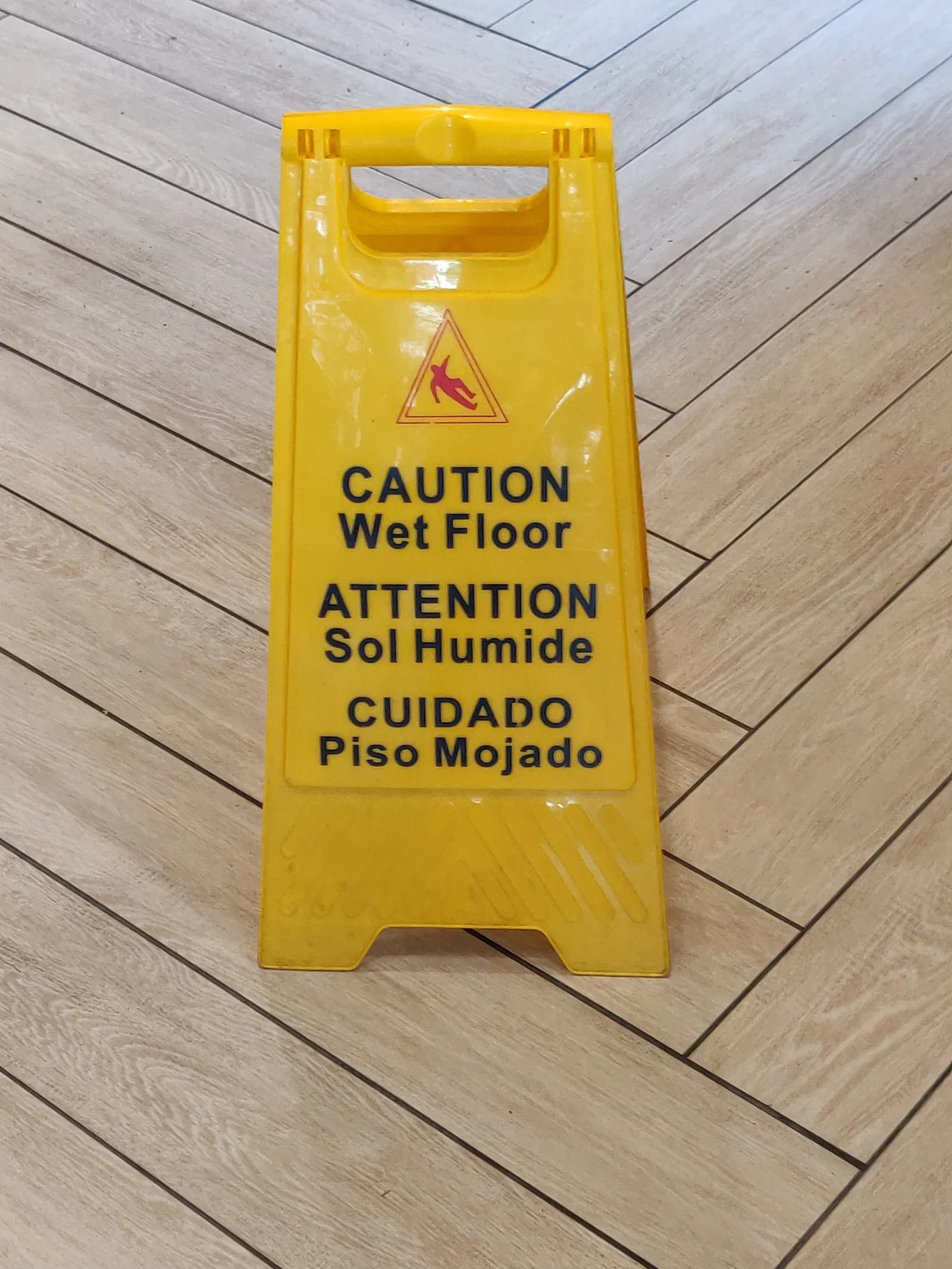
Public liability insurance pays compensation and legal costs if a member of the public, a customer or another business makes a claim against you because your business activities injured them or damaged their property. Typical examples: a client trips over your toolbox, paint from your ladder drips onto a customer's new sofa, a shopper slips on a wet floor at your market stall, or a branch you were pruning lands on a neighbour's car.
Policies pay up to a limit of indemnity, such as £1 million or £5 million, for each claim or each event, depending on the wording. Most include the cost of defending a claim, which can be significant even when you've done nothing wrong. You'll usually pay an excess, the first part of any property damage claim, and the policy will list what it won't cover.
What it doesn't cover is just as important. Public liability doesn't cover injury to your own employees; that's employers' liability. It doesn't cover your own tools, van or premises; those need separate property or motor cover. It doesn't cover financial loss caused by bad advice or a design error; that's professional indemnity. And product liability, for injury or damage caused by goods you make, sell or supply, is often bundled with public liability but not always, so check if you sell physical products.
Is it a legal requirement? Public liability vs employers' liability
There's no general law requiring sole traders to hold public liability insurance. The Health and Safety Executive's guide to employers' liability puts it plainly: public liability insurance is generally voluntary, while employers' liability insurance is compulsory. Being uninsured doesn't stop someone suing you, though. As a sole trader you and your business are legally the same person, so a successful claim can be paid from your savings, your car and, in the worst case, your home.
When employers' liability becomes compulsory
The Employers' Liability (Compulsory Insurance) Act 1969 requires you to hold employers' liability (EL) insurance as soon as you become an employer. GOV.UK sets out the core rules:
- cover of at least £5 million, from an authorised insurer;
- a fine of up to £2,500 for every day you're not properly insured;
- a fine of up to £1,000 if you don't display your certificate where employees can see it (on a noticeboard, website or intranet) or show it to an inspector when asked.
You don't need EL insurance if you only employ close family members, such as a spouse, civil partner, parent, child, grandchild or sibling, or people based outside England, Scotland and Wales. HSE notes that the family exemption doesn't apply to family businesses incorporated as limited companies.
Is your helper an employee?
This catches out many sole traders who bring in help on busy jobs. HSE says what matters isn't whether you call someone self-employed or how they're taxed, but the real nature of the relationship and how much control you have. You may need EL cover if you deduct tax and National Insurance, control where, when and how they work, supply their tools and materials, or they can't send a substitute. You may not need it if they work for other clients too, bring their own equipment, are clearly in business for themselves and can send a substitute. A labourer who works only for you, on your jobs, with your tools, is likely to count as your employee for EL purposes even if they invoice you. If you're taking on staff, our employer registration guide covers PAYE as well.
Public liability vs employers' liability
| Public liability | Employers' liability | |
|---|---|---|
Covers claims from | Customers, the public, other businesses | Your employees |
Legally required? | No — generally voluntary (HSE) | Yes, once you employ someone (non-family) |
Minimum cover | None by law; contracts often set £1m–£10m | £5 million |
Penalty if uninsured | None, but you pay any claim yourself | Up to £2,500 a day |
FSCS protection if insurer fails | 90% of the claim | 100% of the claim |
Covers claims from
- Public liability
Customers, the public, other businesses
- Employers' liability
Your employees
Legally required?
- Public liability
No — generally voluntary (HSE)
- Employers' liability
Yes, once you employ someone (non-family)
Minimum cover
- Public liability
None by law; contracts often set £1m–£10m
- Employers' liability
£5 million
Penalty if uninsured
- Public liability
None, but you pay any claim yourself
- Employers' liability
Up to £2,500 a day
FSCS protection if insurer fails
- Public liability
90% of the claim
- Employers' liability
100% of the claim
When you'll be asked for public liability cover
Even though no general law requires it, public liability insurance is often a hard requirement in practice. These are the most common situations, several of which are set by government bodies.
Council street trading licences and markets. Councils that license street trading commonly make public liability insurance a licence condition. Islington, for example, requires at least £5 million for the whole licence period and says trading without valid cover can lead to the licence being suspended or revoked. Sunderland, Portsmouth, Rochford, Adur and Worthing and Bromsgrove publish the same £5 million figure. Market operators, craft fairs and event organisers usually ask for a copy of your certificate before giving you a pitch, and council event guides may ask for more for higher-risk activities.
Childminders. Ofsted's requirements for childminders on the Childcare Register say you must have public liability insurance. GOV.UK's guide to becoming a childminder estimates it costs roughly £25 to £100; treat that as an official ballpark rather than a quote, since other figures on that page are not current.
EV chargepoint installers. To become an OZEV authorised installer, you must provide a public liability insurance certificate with a minimum indemnity of £2 million, and OZEV checks proof of public liability, not employers' liability, cover.
Animal and activity licences. In England, the licence to hire out horses requires public liability insurance covering injuries to or caused by people hiring your horses. Other local authority licences for activities involving animals or the public may impose similar conditions.
Commercial clients and contracts. Facilities managers, construction firms, retailers, letting agents and public sector buyers often specify a minimum public liability limit in their supplier terms, frequently £5 million and sometimes £10 million. This is a contractual requirement, not a legal one, but you won't get the work without it.
Trade bodies and schemes. Many trade associations, competent person schemes and online trade directories require members to hold public liability cover. Check their membership rules.
Landlords and venues. Renting a workshop, a treatment room or a hall for a class often comes with an insurance clause in the lease or hire agreement.

How much cover do you need?
Public liability policies are commonly sold with limits of £1 million, £2 million, £5 million and £10 million. Choosing a level comes down to three questions.
What do your contracts and licences require? This sets the floor. If your council wants £5 million for a street trading licence, or a client's supplier terms say £10 million, anything less won't do. Check whether the requirement is per claim or in total, and whether the client wants to be named on the policy or see an "indemnity to principal" clause.
How serious could a claim be? A dog walker or a bookkeeper visiting clients faces a different worst case from a roofer, a tree surgeon or someone working near busy roads. Serious personal injury claims, especially those involving long-term care or loss of earnings, can run to millions. Claims for injury can be brought years after the event, so the limit has to cover the worst plausible outcome, not the typical one.
Who do you work for and where? Work in other people's homes, in public spaces, on construction sites or at events tends to need higher limits than work done remotely or in your own premises.
The difference in premium between £1 million and £5 million is often modest relative to the extra protection, but that depends on your trade and claims history. There's no official average price for sole trader public liability cover, so compare quotes on the same limit, excess and exclusions rather than headline price alone.
Before you buy, check the policy for
0/8What it costs: Insurance Premium Tax and tax relief
Insurance is exempt from VAT, but most general insurance, including public liability, is subject to Insurance Premium Tax (IPT). HMRC's published rates are a standard rate of 12% and a higher rate of 20%, which applies to things like travel insurance and some appliance and vehicle-related insurance. Business public liability cover falls under the standard rate. The insurer adds IPT to the premium and pays it to HMRC; if you're VAT-registered, you can't reclaim it.
The premium is an allowable business expense. GOV.UK's guide to self-employed expenses lists insurance among the financial costs and running costs you can deduct, so the full premium, including IPT, reduces your taxable profit.
Worked example. A self-employed decorator is quoted a public liability premium of £150 before tax. IPT at 12% adds £18, so the total is £168. If the decorator's profits fall in the basic-rate band, deducting £168 saves Income Tax at 20% and Class 4 National Insurance at 6%, a combined 26%, or about £44. The real cost of the cover after tax is therefore about £124 a year. The £150 premium is illustrative, not a market price.
The official numbers
12%
Insurance Premium Tax
Standard rate, added to most business cover
£5 million
Employers' liability minimum
Compulsory once you employ someone
£2,500
Daily fine without EL cover
Plus up to £1,000 for not displaying the certificate
£5 million
Typical street trading requirement
Islington and other councils
Other covers sole traders often need
Public liability is only one layer. Depending on your work, consider:
- Employers' liability — compulsory if you employ anyone outside the family exemptions, as above.
- Professional indemnity — for claims that your advice, design or professional service caused a financial loss. Some professional bodies require members to hold it; consultants, designers, bookkeepers and IT freelancers often need it more than public liability.
- Product liability — for injury or damage caused by goods you make, sell, import or repair. Often packaged with public liability.
- Tools, equipment and stock — public liability won't replace your stolen tools or damaged stock.
- Business use on your vehicle insurance — if you drive to jobs or carry tools, a policy for social and commuting use may not cover business use. Tell your motor insurer what you use the vehicle for.
- Business contents and premises — if you run a workshop, studio or shop.
- Legal expenses, cyber and personal accident or income protection — optional, but worth weighing up, especially if there's no employer sick pay to fall back on.
If your risks are large or growing, it can also be worth reviewing your trading structure. Our sole trader vs limited company guide explains how limited liability works and why it doesn't remove the need for insurance.
Buying, claiming and complaining
Fair presentation. A policy bought for your business is normally treated as a non-consumer contract, so the Insurance Act 2015 requires you to make a fair presentation of the risk before the policy starts and at each renewal. Describe your trade and activities accurately, and mention anything a reasonable insurer would want to know, such as working at height or using heat. Getting this wrong can reduce or void a claim.
Making a claim. Tell your insurer as soon as you know about an incident that could lead to a claim, even if no one has complained yet. Don't admit liability or offer compensation without the insurer's agreement, and keep photos, names and notes.
If something goes wrong. Complain to the insurer first. If you're unhappy with the response, sole traders who qualify as micro-enterprises (fewer than 10 staff and annual turnover or balance sheet of no more than €2 million) can usually take the complaint to the Financial Ombudsman Service free of charge. If an authorised insurer fails, the Financial Services Compensation Scheme protects 100% of compulsory insurance claims such as employers' liability and 90% of most other claims, including public liability, subject to FSCS eligibility rules.
Getting covered in an afternoon
- 1
List your activities and requirements
Note every activity you do and any cover level your council, clients, venues or trade body demand.
- 2
Decide whether you're an employer
Employers' liability insuranceIf anyone works for you under your control, check HSE's test and arrange employers' liability before they start.
- 3
Get comparable quotes
Compare the same limit, excess and exclusions. Use a broker if your work is unusual or high-risk.
- 4
Check authorisation
FCA registerSearch the FCA register for the insurer or broker before you pay.
- 5
Keep your certificate handy
Save a PDF on your phone; clients and market organisers often ask on the spot.
Common mistakes
Assuming public liability covers your staff. It doesn't. Claims from employees need employers' liability, and being without EL when you need it is an offence.
Under-describing your work. A gardener who also does tree felling, or a handyperson who does electrical work, must declare it. Undisclosed activities are a common reason claims are refused.
Letting cover lapse between jobs. Councils and some clients require continuous cover for the licence or contract period. Set renewal reminders.
Buying the minimum without checking contracts. A £1 million policy is no use if your next client's terms say £5 million.
Forgetting to claim the tax relief. Insurance is an allowable expense; record it in your books. Our self-employed tax guide covers other costs you can deduct, and the start-up cost calculator helps you budget for insurance alongside other first-year costs.
Official links
- Employers' liability insurance£5m minimum, fines, exemptions
- HSE40: Employers' liability (compulsory insurance)Who counts as an employee
- Insurance Premium Tax rates12% standard, 20% higher
- Expenses if you're self-employedInsurance as an allowable expense
- Ofsted: childminder requirementsPublic liability required
- OZEV authorised installer£2m public liability minimum
- FSCS insurance protectionIf an insurer fails
What to do next
Write down every activity you do and every cover level your council, clients and venues require, then get two or three like-for-like quotes and check each provider on the FCA register. If anyone works for you, sort out employers' liability before their first day. Once you're covered, keep the certificate on your phone, diarise the renewal, and log the premium as a business expense. If you're still setting up, our guide to starting a business in the UK covers the other first steps.
This is general information, not legal, insurance or tax advice — confirm on the official source or with a professional.
Frequently asked questions
No. The Health and Safety Executive describes public liability insurance as generally voluntary. But councils, market operators, venues, regulators and many clients make it a condition of a licence, pitch or contract, so in practice many sole traders can't work without it. Employers' liability insurance is different: it's compulsory once you employ someone.
Only if you employ people. If you take on staff you must have at least £5 million of cover from an authorised insurer, or face fines of £2,500 for every day you're not properly insured. Close family members are exempt, and HSE says the real working relationship, not the label or tax status, decides whether someone counts as an employee.
Policies are commonly sold with limits of £1 million, £2 million, £5 million or £10 million. Start with what your contracts and licences require: many councils ask street traders for £5 million, OZEV requires chargepoint installers to hold £2 million, and commercial clients often specify £5 million or £10 million. Higher-risk work justifies a higher limit.
Yes. Insurance for your business is an allowable expense for sole traders, so the premium, including Insurance Premium Tax, reduces your taxable profit. Personal cover, such as life insurance, isn't allowable. Keep the policy schedule and receipt with your business records.
No. Insurance is exempt from VAT. Instead, most business insurance, including public liability, carries Insurance Premium Tax at the standard rate of 12%, which the insurer includes in your premium. If you're VAT-registered, you can't reclaim IPT as input VAT.
Public liability covers claims for injury to other people or damage to their property caused by your business activities. Professional indemnity covers claims that your advice, design or professional service caused someone a financial loss. A plumber who floods a kitchen needs public liability; an accountant whose error costs a client money needs professional indemnity.
Sources & verification
Figures on this page were checked against the sources below when it was last reviewed on 9 October 2026. Each rate and limit is stored once with its own official source and review date, and official update channels are monitored daily so changes are picked up. How we verify
- 1.Employers' liability (compulsory insurance) — a brief guide for employers (HSE40) — Health and Safety Executive · accessed 9 October 2026
- 2.Employers' liability insurance — GOV.UK · accessed 9 October 2026
- 3.Insurance Premium Tax rates — HMRC · accessed 9 October 2026
- 4.Expenses if you're self-employed — GOV.UK · accessed 9 October 2026
- 5.Childminders on the Compulsory Childcare Register: Ofsted requirements — Ofsted · accessed 9 October 2026
- 6.Become a childminder or nanny (England) — GOV.UK · accessed 9 October 2026
- 7.Residential and commercial chargepoints: become an authorised installer — OZEV · accessed 9 October 2026
- 8.Hire out horses licence (England) — GOV.UK · accessed 9 October 2026
- 9.Street trading: public liability insurance — Islington Council · accessed 9 October 2026
- 10.Insurance protection — Financial Services Compensation Scheme · accessed 9 October 2026
- 11.Who we can help — Financial Ombudsman Service · accessed 9 October 2026
MSMETOOLS is an independent platform and is not affiliated with any government agency, ministry or department.
Tools for this
Startup Cost Calculator
Estimate how much capital you need to launch.
Freelance Hourly Rate Calculator
Work out the hourly rate you need to charge.
Related guides
 Sole Trader vs Limited Company 2026: Tax at 6 Profit LevelsRead guide
 Public Limited Company (PLC) 2026: Rules, Capital & Ltd vs PLCRead guide
 Company Secretary UK 2026: Do You Need One and DutiesRead guide
 Sole Trader Business Name Rules 2026: Choose, Protect, DisplayRead guide
Official links open the government site in a new tab.