 Starting & growing a business
How to Start an Import Export Business in India (2026): Registrations, Incentives and a Worked Example
Start an import export business from India in 2026: IEC, AD code, RCMC, LUT, RoDTEP status, Niryat Protsahan, 9-month realisation rule, documents and a ₹ example.
 Edited by Sumeet YadavFounder & editor, MSMETOOLS · fact-checked against official sources
Contents (10)
- 1. Choose your model: merchant, manufacturer or importer
- 2. Registrations and licences you need
- 3. How to start an export business from India: step by step
- 4. Export incentives and support in 2026
- 5. Getting paid: the FEMA 2026 rules
- 6. Export documentation checklist
- 7. Importing into India: what changes
- 8. Worked example: a first export order in ₹
- 9. Mistakes first-time exporters make
- 10. What to do next
An import export business buys goods in one country and sells them in another. In India most people start on the export side — as a merchant exporter buying from local makers, or as a manufacturer exporter shipping their own products — because exports are zero-rated for GST and supported by government schemes. This guide covers the registrations you need in 2026, the current status of RoDTEP and the new export credit support, the payment rules that took effect on 1 October 2026, the shipping paperwork, and a worked ₹ example of a first export order.
Quick answer
To start an import export business in India, set up a business with a PAN and current account, get an IEC from DGFT (₹500), register your AD code on ICEGATE, take GST registration and file a Letter of Undertaking so exports go out without IGST, and join an export promotion council for an RCMC. Then find buyers, agree payment terms, and ship through a customs broker and freight forwarder.
IEC is PAN-based, issued online, and must be updated every year (1 April – 30 June)
RoDTEP extended until 31 December 2026 at unchanged rates
MSME exporters can get 2.75% a year interest subvention on export credit, capped at ₹50 lakh a year
Export proceeds must arrive within nine months (twelve months if invoiced in rupees)
Choose your model: merchant, manufacturer or importer
Merchant exporter. You buy finished goods from Indian suppliers and export them under your own IEC. It needs no factory and little capital beyond the first order, which is why most first-time exporters start here. Your edge is finding buyers and managing quality and logistics.
Manufacturer exporter. You make the goods yourself. Margins are better and you qualify directly for schemes linked to production, such as Advance Authorisation for duty-free inputs.
Importer. You bring goods into India to trade or to use in manufacturing. The same IEC covers imports, but the economics are driven by customs duty, GST on imports and product-specific licences.
The policy rulebook for all three is the Foreign Trade Policy 2023, in force since 1 April 2023. Unlike earlier five-year policies it has no fixed end date and is updated through DGFT notifications and the Handbook of Procedures.
Business structure. A proprietorship is quickest; an LLP or private limited company helps when you want partners, larger bank limits or credibility with overseas buyers. Register on Udyam as well — the interest subvention for exporters is limited to MSMEs.
Registrations and licences you need
| Registration | Issued by | Why | Cost |
|---|---|---|---|
| IEC (Importer Exporter Code) | DGFT, online | Mandatory for almost every import and export | ₹500 |
| AD code + bank account | ICEGATE (CBIC) | Customs needs it to file shipping bills and pay drawback/IGST refunds | Free |
| GST registration | GSTN | Exports are zero-rated; you need a GSTIN for refunds and LUT | Free |
| LUT (Form GST RFD-11) | GST portal | Export without paying IGST; valid for one financial year (1 April – 31 March) | Free |
| RCMC | Export promotion council or commodity board, via DGFT | Needed for most FTP benefits; valid 5 years | Set by each council |
| Product licences | FSSAI, APEDA, Spices Board, BIS, CDSCO etc. | Depend on what you trade | Varies |
IEC. Apply on the DGFT portal with PAN, an address proof and a cancelled cheque or bank certificate; the fee is ₹500. Our IEC registration guide walks through each screen and the annual update.
AD code on ICEGATE. Your bank (the authorised dealer) gives you an AD code letter. You register it with your bank account on ICEGATE through your login, and it is recognised across Indian customs ports. Without it, your customs broker cannot generate a shipping bill.
GST and LUT. Exports are zero-rated. Filing a Letter of Undertaking in Form RFD-11 on the GST portal lets you export without paying IGST and then claim a refund of the input tax credit on your purchases. File a fresh LUT before your first export of each financial year. See GST registration.
RCMC. Pick the export promotion council (EPC) or commodity board for your main product — for example, a textiles, engineering, or spices body. You apply through DGFT's common e-RCMC platform and pay the council's membership fee.
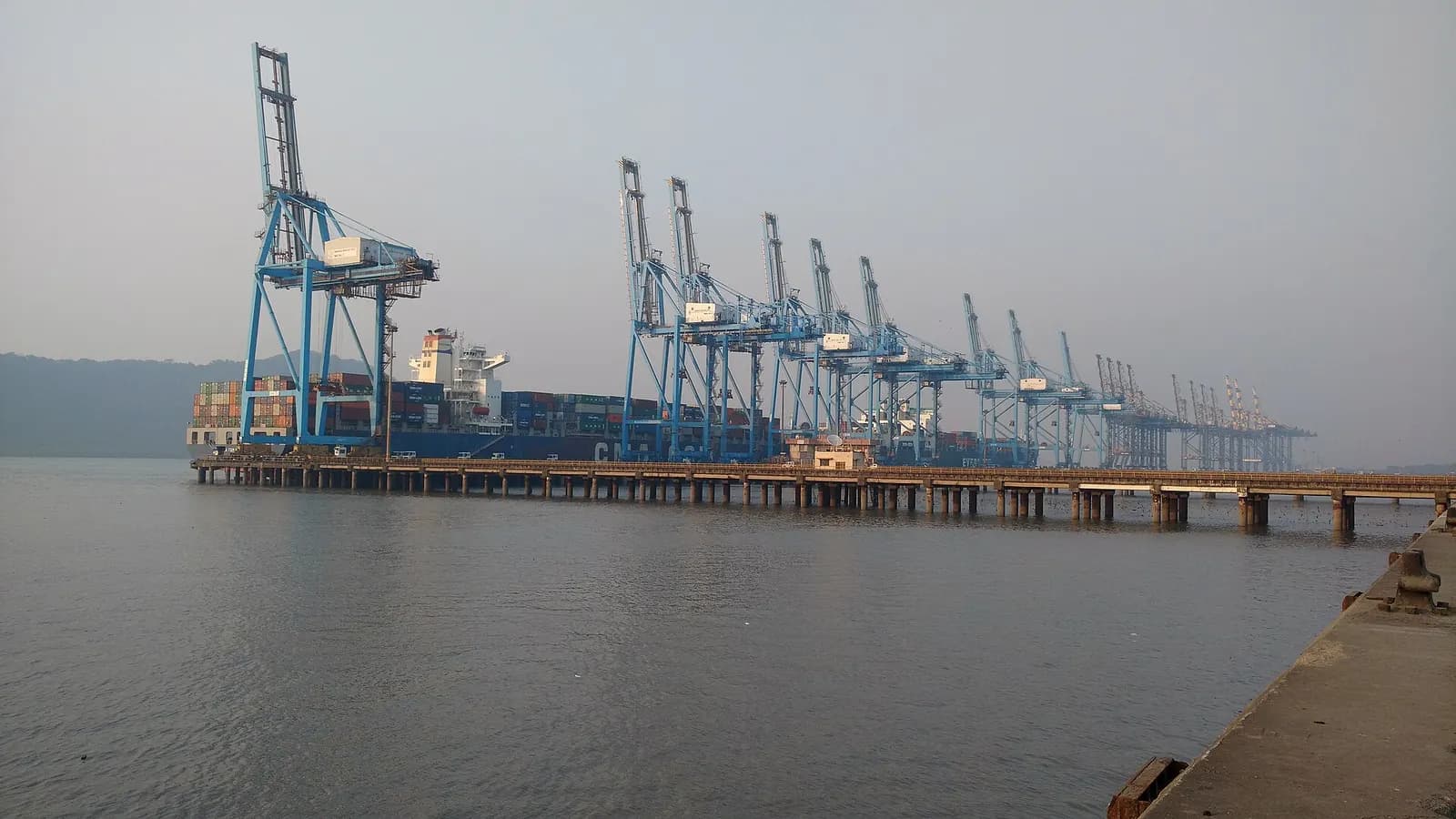
How to start an export business from India: step by step
From registration to first shipment
- 1
Choose a product and target market
Use DGFT and Commerce Ministry trade data, your EPC's market reports and buyer enquiries to pick a product where India is competitive and a market without heavy barriers for it.
Tip: Check the buyer country's import rules, duty and labelling before you quote.
- 2
Register the business, IEC and GST
Open DGFT portalPAN, current account, IEC on the DGFT portal, GSTIN, and LUT on the GST portal.
- 3
Register AD code on ICEGATE and take an RCMC
Link your bank's AD code to your IEC on ICEGATE; apply for RCMC with your export promotion council.
- 4
Find buyers and send samples
EPC buyer-seller meets, trade fairs, the Indian Trade Portal, B2B marketplaces and Indian missions abroad. Send samples and a proforma invoice with clear Incoterms.
- 5
Agree payment terms and sign the order
Fix price, Incoterm (FOB, CIF etc.), delivery date, quality standard and payment terms. Get export credit insurance if you sell on credit.
- 6
Produce, inspect and ship
Your customs broker files the shipping bill on ICEGATE; the freight forwarder books space and issues the bill of lading.
- 7
Collect payment and claim incentives
Submit documents to your bank, track realisation, and claim RoDTEP, drawback and IGST/ITC refunds.
Export incentives and support in 2026
RoDTEP (Remission of Duties and Taxes on Exported Products). It refunds embedded taxes that aren't otherwise rebated, as a percentage of FOB value, through transferable e-scrips. Rates are product-specific and listed in Appendix 4R (4RE for SEZ and EOU units). DGFT extended the scheme on 30 September 2026 until 31 December 2026 for DTA, Advance Authorisation, SEZ and EOU exports, with rates and caps unchanged. Because it has been extended in short spells, price long-dated orders conservatively.
Duty drawback refunds customs and excise duties on imported or excisable inputs, at All Industry Rates notified by CBIC; it is credited to the bank account registered through your AD code.
Export Promotion Mission – Niryat Protsahan. Launched on 2 January 2026, its interest subvention gives MSME exporters 2.75% a year on pre- and post-shipment rupee export credit, up to ₹50 lakh per IEC per year, for a positive list of 4,139 products. The rate is reviewed every six months, so confirm it with your bank. A collateral guarantee through CGTMSE covers up to 85% for micro and small exporters.
Advance Authorisation and EPCG allow duty-free import of inputs and capital goods against export obligations. They suit manufacturers more than first-time merchant exporters.
Export payment terms — risk and cash flow
| Term | How it works | Risk to you | When to use |
|---|---|---|---|
Advance payment | Buyer pays before shipment | Lowest | Small first orders, new buyers |
Letter of credit (LC) | Buyer's bank pays against compliant documents | Low, if documents are exact | Larger orders, unfamiliar markets |
Documents against payment (D/P) | Bank releases documents when buyer pays | Medium — buyer may refuse goods | Known buyers |
Documents against acceptance (D/A) | Buyer accepts a bill payable later | High — credit risk | Trusted buyers, with credit insurance |
Open account | Goods and documents go directly; buyer pays later | Highest | Long-standing relationships only |
Advance payment
- How it works
Buyer pays before shipment
- Risk to you
Lowest
- When to use
Small first orders, new buyers
Letter of credit (LC)
- How it works
Buyer's bank pays against compliant documents
- Risk to you
Low, if documents are exact
- When to use
Larger orders, unfamiliar markets
Documents against payment (D/P)
- How it works
Bank releases documents when buyer pays
- Risk to you
Medium — buyer may refuse goods
- When to use
Known buyers
Documents against acceptance (D/A)
- How it works
Buyer accepts a bill payable later
- Risk to you
High — credit risk
- When to use
Trusted buyers, with credit insurance
Open account
- How it works
Goods and documents go directly; buyer pays later
- Risk to you
Highest
- When to use
Long-standing relationships only
Getting paid: the FEMA 2026 rules
From 1 October 2026, exports are governed by the Foreign Exchange Management (Export and Import of Goods and Services) Regulations, 2026, which replaced the 2015 regulations. For shipments from that date:
- The full export value must be realised and repatriated within nine months of the shipment date (goods) or invoice date (services); exports invoiced or settled in rupees get twelve months.
- Every exporter files an Export Declaration Form. For services, it is due within 30 days from the end of the month of the invoice.
- If you take an advance, route the advance and every later transaction for that export through the same AD bank, under the bank's own policy.
Shipments made before 1 October 2026 follow the rules in force when they left, so check the deadline on any older open bills with your bank.
Export documentation checklist
Documents for a typical export shipment
0/9Mismatched details — a different HS code on the invoice and shipping bill, a misspelt consignee, a port not allowed under the LC — are the most common reason for delayed payments and refunds.
Importing into India: what changes
The same IEC lets you import. Your customs broker files a bill of entry on ICEGATE; you pay basic customs duty, social welfare surcharge and IGST, with the IGST available as input tax credit if you're registered. Some products need clearances before landing — food imports need an FSSAI central licence, many electronics and toys need BIS certification, and drugs and cosmetics need CDSCO approval. Payment to the overseas seller is made through your AD bank, within the period in your contract under the 2026 FEMA regulations.
Worked example: a first export order in ₹
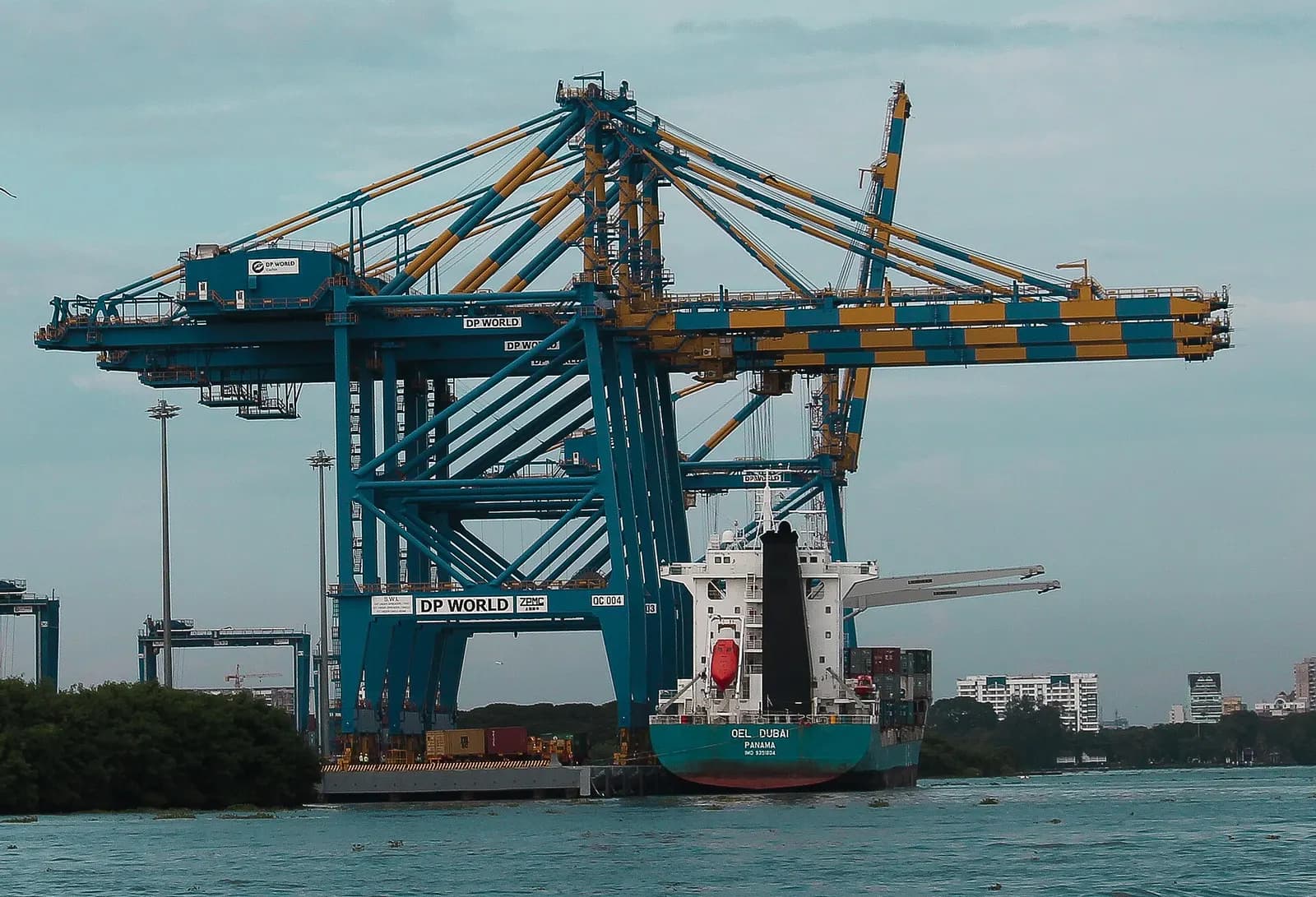
These figures are an illustrative estimate for a merchant exporter in Tamil Nadu selling one 20-ft container of cotton bath towels to a buyer in the UAE on FOB Chennai terms, with 30% advance and the balance against documents. The exchange rate (₹88 per US$) and all costs are assumptions — use live quotes and the currency converter.
| Line | Amount |
|---|---|
| Sale: 5,500 towels × US$2.00 FOB = US$11,000 at ₹88 | ₹9,68,000 |
| Purchase from manufacturer (GST charged is refunded as unused ITC under LUT) | −₹8,00,000 |
| Inland haulage to port and container stuffing | −₹22,000 |
| Customs broker, port and documentation charges | −₹15,000 |
| Export packing and labels | −₹10,000 |
| Inspection and certificate of origin | −₹4,000 |
| Bank charges and forex conversion | −₹2,000 |
| Profit before overheads and incentives | ₹1,15,000 |
That is a margin of about 11.9% on the FOB value. RoDTEP, if your HS code has a rate in Appendix 4R, would add to it; so would interest subvention on any export credit you use. The 30% advance (about ₹2.9 lakh) funds part of the purchase; the rest comes from your own money or packing credit.
Try it — margin on your export order
Overheads — samples, courier, trade fair stalls, a website and your time — are not in the table. Spread them over the orders you expect in a year before deciding whether a buyer's price works.
Mistakes first-time exporters make
- Shipping on open account to a new buyer. Start with advance or an LC until the relationship is proven.
- Forgetting the LUT. Without it, you pay IGST upfront and wait for a refund.
- Skipping the IEC annual update. IECs not updated in the annual window (1 April – 30 June) are deactivated.
- Wrong HS code. It changes your RoDTEP rate, the buyer's duty and sometimes whether you can export at all.
- Quoting without Incoterms. "Price ₹X" without FOB or CIF leaves freight and insurance in dispute.
- Ignoring the buyer country's rules. Labelling, certification and sanitary rules abroad can stop goods at the destination port.
- Letting realisation lapse. Missing the nine months window puts the bill on your bank's overdue list and blocks benefits.
Official links
What to do next
Get the paperwork that everything else depends on: your IEC and GST registration, then the LUT and AD code. Send buyers a clean proforma invoice with Incoterms, and run every quote through the profit margin calculator. If you also want to sell to Indian buyers online, see our guide to starting an ecommerce business.
This is general information, not legal or tax advice — confirm on the official source or with a professional.
Frequently asked questions
The core registration is the Importer Exporter Code (IEC) from DGFT, which costs ₹500 and is issued online against your PAN. Exporters also register their AD code and bank account on ICEGATE, take GST registration and file a Letter of Undertaking to export without paying IGST. An RCMC from an export promotion council is needed to claim most FTP benefits. Some products need extra licences, such as FSSAI for food.
Registrations cost little: IEC is ₹500 and GST registration is free. The real money goes into samples, marketing and the first order. Our worked example of a merchant exporter shipping one container of cotton towels needs about ₹8.5 lakh, largely to buy the goods, and earns roughly ₹1.15 lakh before incentives. Advance payment or a letter of credit reduces how much you must fund yourself.
Yes. DGFT Notification 41/2026-27 of 30 September 2026 extended RoDTEP for exports from the domestic tariff area, Advance Authorisation holders, SEZs and EOUs until 31 December 2026, with the rates and value caps in Appendices 4R and 4RE unchanged. The scheme has been extended in short spells, so check the DGFT site before pricing orders shipping after that date.
Under the FEMA (Export and Import of Goods and Services) Regulations, 2026, in force from 1 October 2026, the full export value must be realised and repatriated within nine months from the date of shipment for goods or the invoice date for services. Exports invoiced or settled in Indian rupees get twelve months. (The regulations as first notified in January 2026 said fifteen and eighteen months, but an RBI amendment of 22 September 2026 cut them before they took effect.) Your AD bank tracks each shipping bill until it is closed.
Yes. Merchant exporters who buy from manufacturers and sell abroad can run the business from a home office. The IEC, GST registration and RCMC can all be taken at a residential address, provided you have proof of the premises. You'll still need a customs broker, freight forwarder and bank to handle the shipment and paperwork.
Sources & verification
Figures on this page were checked against the sources below when it was last reviewed on 9 October 2026. Each rate and limit is stored once with its own official source and review date, and official update channels are monitored daily so changes are picked up. How we verify
- 1.Foreign Trade Policy 2023 — Chapter 1 — DGFT · accessed 7 October 2026
- 2.e-RCMC user guide for exporters — DGFT · accessed 7 October 2026
- 3.Foreign Exchange Management (Export and Import of Goods and Services) Regulations, 2026 — Reserve Bank of India · accessed 7 October 2026
- 4.RoDTEP scheme extended till 31 December 2026 (Notification 41/2026-27) — TaxGuru · accessed 7 October 2026
- 5.Niryat Protsahan — new financial support schemes for exporters (Trade Notice 20/2025-26) — Carpet Export Promotion Council · accessed 7 October 2026
- 6.Online registration of AD code and bank accounts on ICEGATE — TaxGuru · accessed 7 October 2026
- 7.RBI Notification FEMA 23(R)/(1)/2026-RB — amendment cutting the realisation period to nine months (twelve for INR), effective 1 October 2026 — Reserve Bank of India · accessed 9 October 2026
- 8.RBI extends export realisation to 15 months (and later changes) — TaxGuru · accessed 7 October 2026
- 9.What is LUT in GST: meaning, format and how to file — Xflow · accessed 7 October 2026
MSMETOOLS is an independent platform and is not affiliated with any government agency, ministry or department.
Tools for this
Profit Margin Calculator
Calculate profit, markup and margin for your products or services.
Currency Converter
Convert between 180+ currencies with live exchange rates.
Proforma Invoice Generator
Send advance invoices before supply.
Invoice Generator
Create professional invoices with tax, logo and custom details.
Related guides
 How to Start an Ecommerce Business in India (2026 Guide)Read guide
 Wholesale Business Ideas 2026: 10 Ideas, Margins & SetupRead guide
 IEC Code Registration 2026: DGFT Process, ₹500 Fee & DocumentsRead guide
 Dropshipping Business in India 2026: GST, Rules & MarginsRead guide
Official links open the government site in a new tab.